



.svg)


Dental Bridges in Willerby, Hull
What Are Dental Bridges?
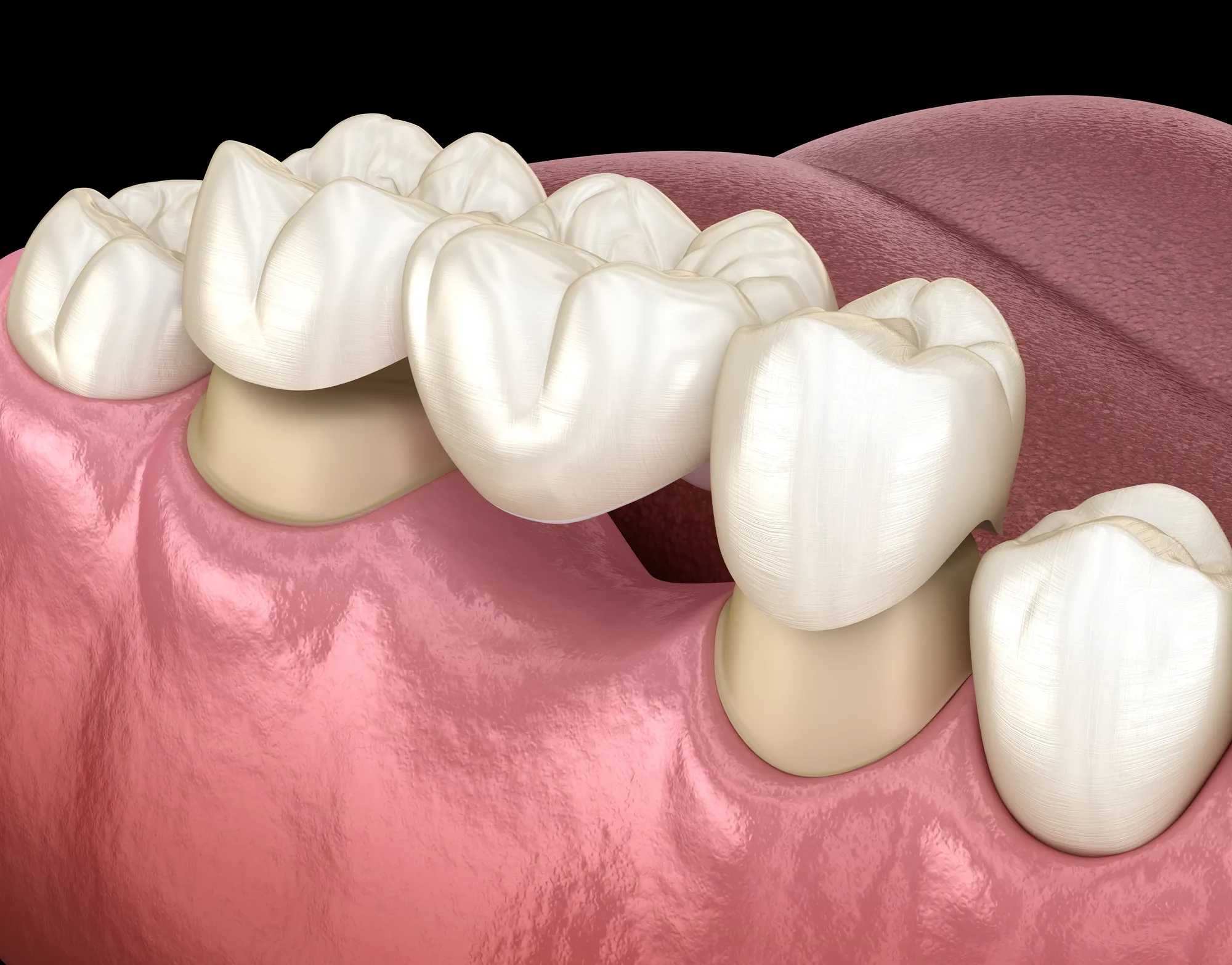
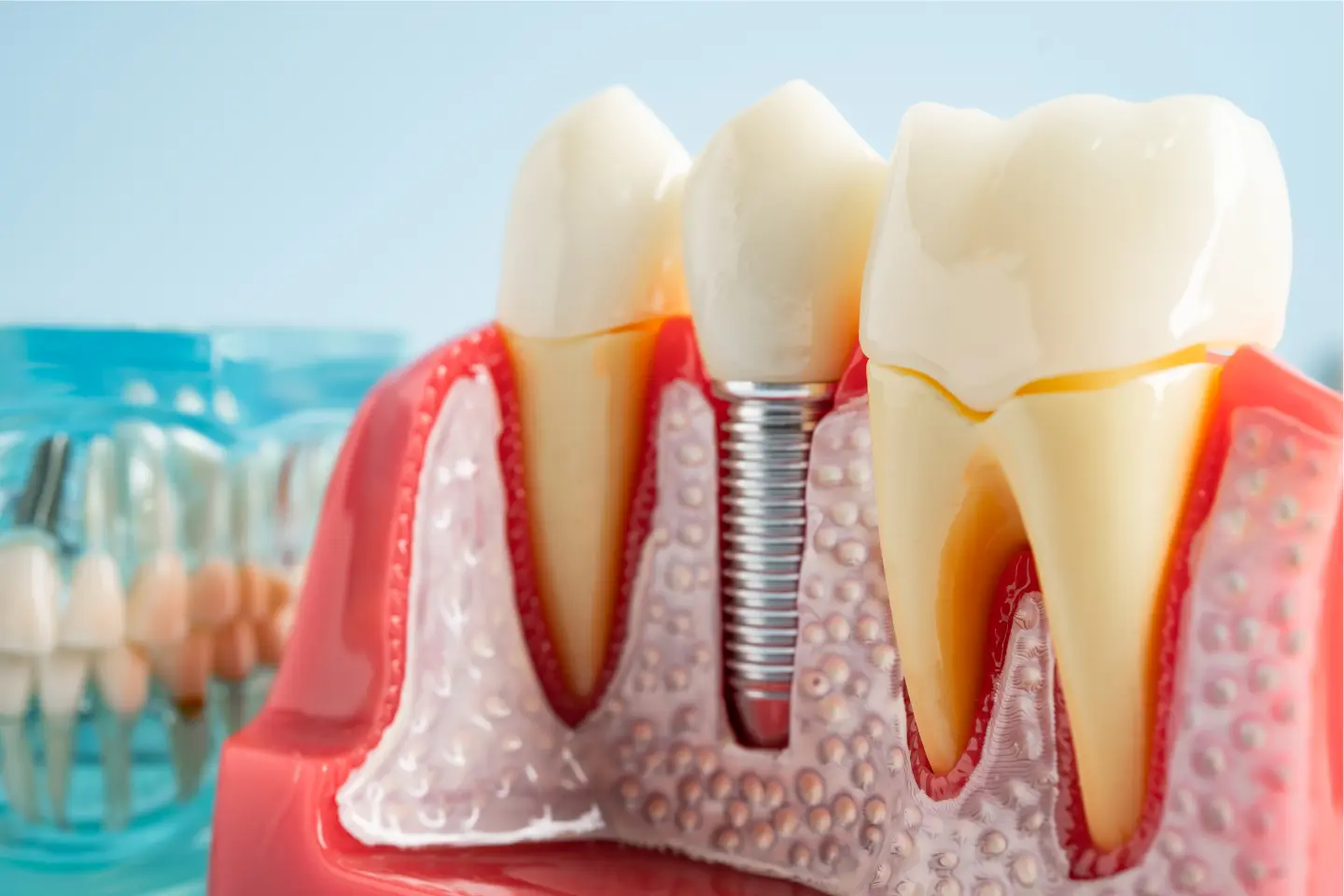
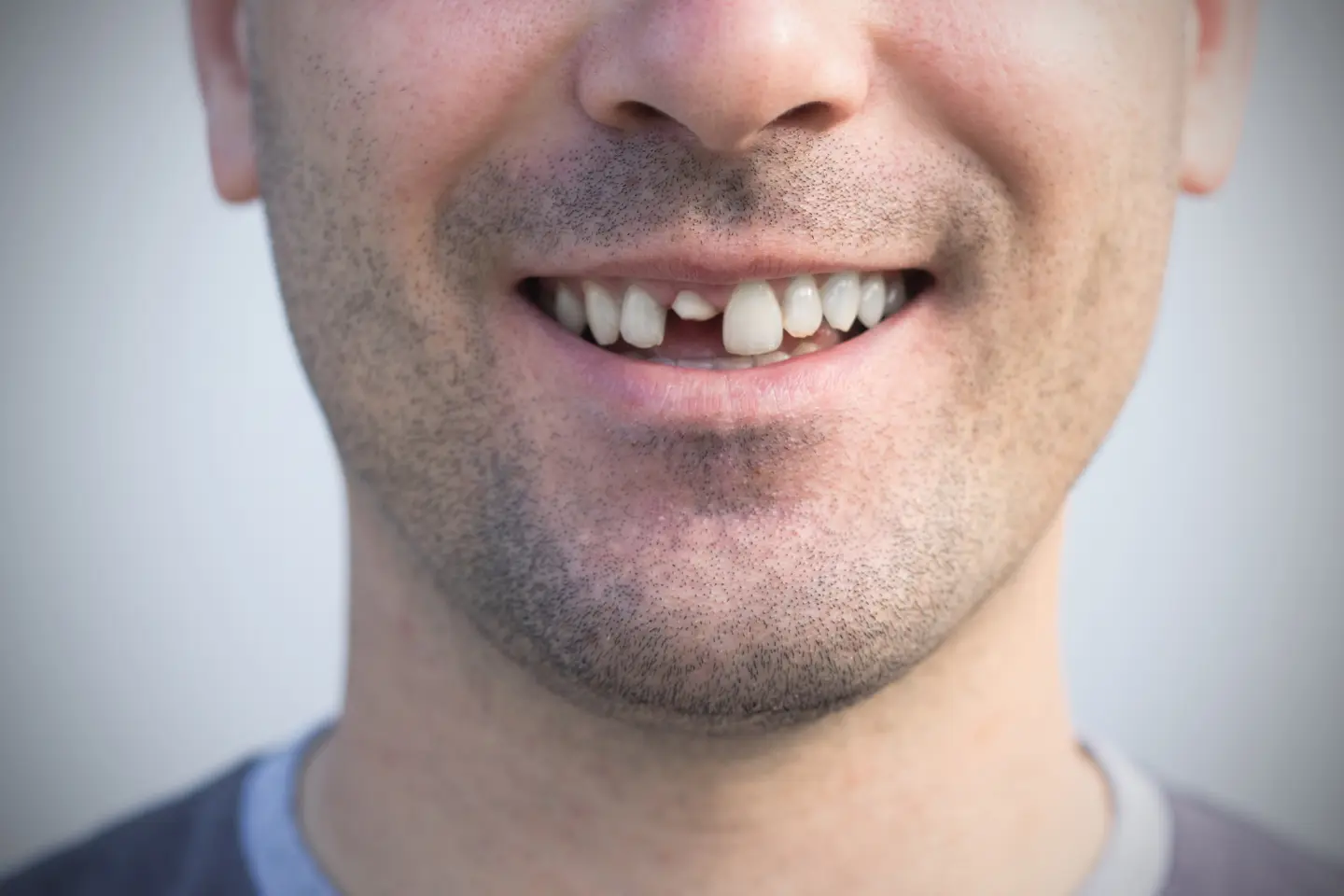
Dental bridges are a practical solution to replace missing teeth, restoring both function and appearance. They consist of artificial teeth anchored by neighbouring natural teeth or dental implants.
Benefits of Dental Bridges:
- Restores Function & Aesthetics: Improves speech, chewing, and fills gaps for a natural smile.
- Cost-Effective & Time-Efficient: A more affordable and quicker option compared to implants.
- Minimal Disruption: Requires minimal alteration to adjacent teeth and involves a less invasive procedure than implants.
- Prevents Shifting & Easy Maintenance: Keeps teeth in place and is easy to clean with regular oral hygiene practices.
- Customisable & Durable: Bridges are colour-matched for a seamless look and provide a stable, long-lasting solution.
Dental bridges are a reliable and efficient way to restore your smile and improve oral function.
Understanding Dental Bridges
A bridge is a fixed (non-removable) restoration that closes a gap left by one or more missing teeth. It's anchored to the natural teeth or implants on either side of the gap, with a false tooth (or teeth) suspended between them — restoring your bite and preventing neighbouring teeth from drifting into the space over time.
What to Expect: Step by Step
1. Consultation & assessment — examination to confirm the supporting ("abutment") teeth are healthy enough to anchor a bridge, or whether an implant-supported bridge is more suitable.
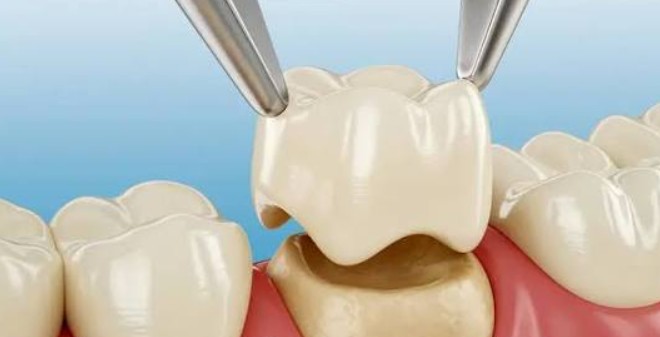
2. Preparation — the abutment teeth are gently reshaped to hold the crowns that anchor the bridge.
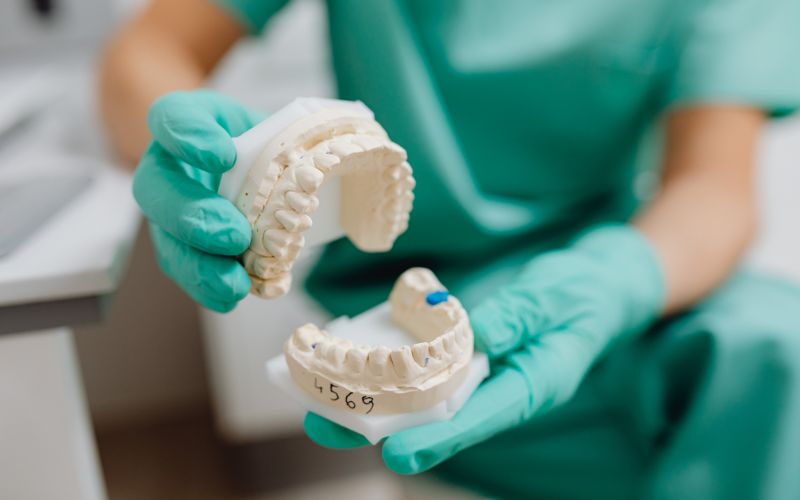
3. Impressions & temporary bridge — a mould is taken and a temporary bridge fitted while your custom bridge is made.
4. Fitting — the permanent bridge is checked for fit and bite, then cemented in place.
Aftercare
A bridge is cleaned like natural teeth, with special floss or an interdental brush used underneath the false tooth to prevent gum problems at the anchor points. With good hygiene, a well-fitted bridge can last 10-15 years or longer.
Frequently Asked Questions
Is getting a bridge painful?
No — the abutment teeth are numbed with local anaesthetic before any preparation begins.
How long does a bridge last?
With good hygiene, a well-fitted bridge can last 10–15 years or longer.
How many appointments does it take?
Typically two to three visits — preparation and impressions, a temporary bridge, then fitting the permanent one.
Will a bridge look natural?
Yes — bridges are colour-matched to your surrounding teeth for a seamless appearance.
How do I clean a bridge?
You'll need to clean underneath the false tooth with special floss or an interdental brush to prevent gum problems at the anchor points.
What's the difference between a bridge and an implant?
A bridge relies on the neighbouring natural teeth (or implants) for support, while a single implant is placed independently in the jawbone.
Can a bridge be fitted if my neighbouring teeth aren't perfectly healthy?
The supporting teeth need to be healthy enough to anchor the bridge; we'll assess this, and may suggest an implant-supported bridge if not.
Interested in Bridges?
Meet the people who care


.png)





Stay updated with dental
wellness tips






.jpeg)
.jpeg)











.webp)
.png)