



.svg)

Dental Implants vs Dentures: Which Is the Better Long-Term Solution?
Dental Implants vs Dentures: Which Is the Better Long-Term Solution?
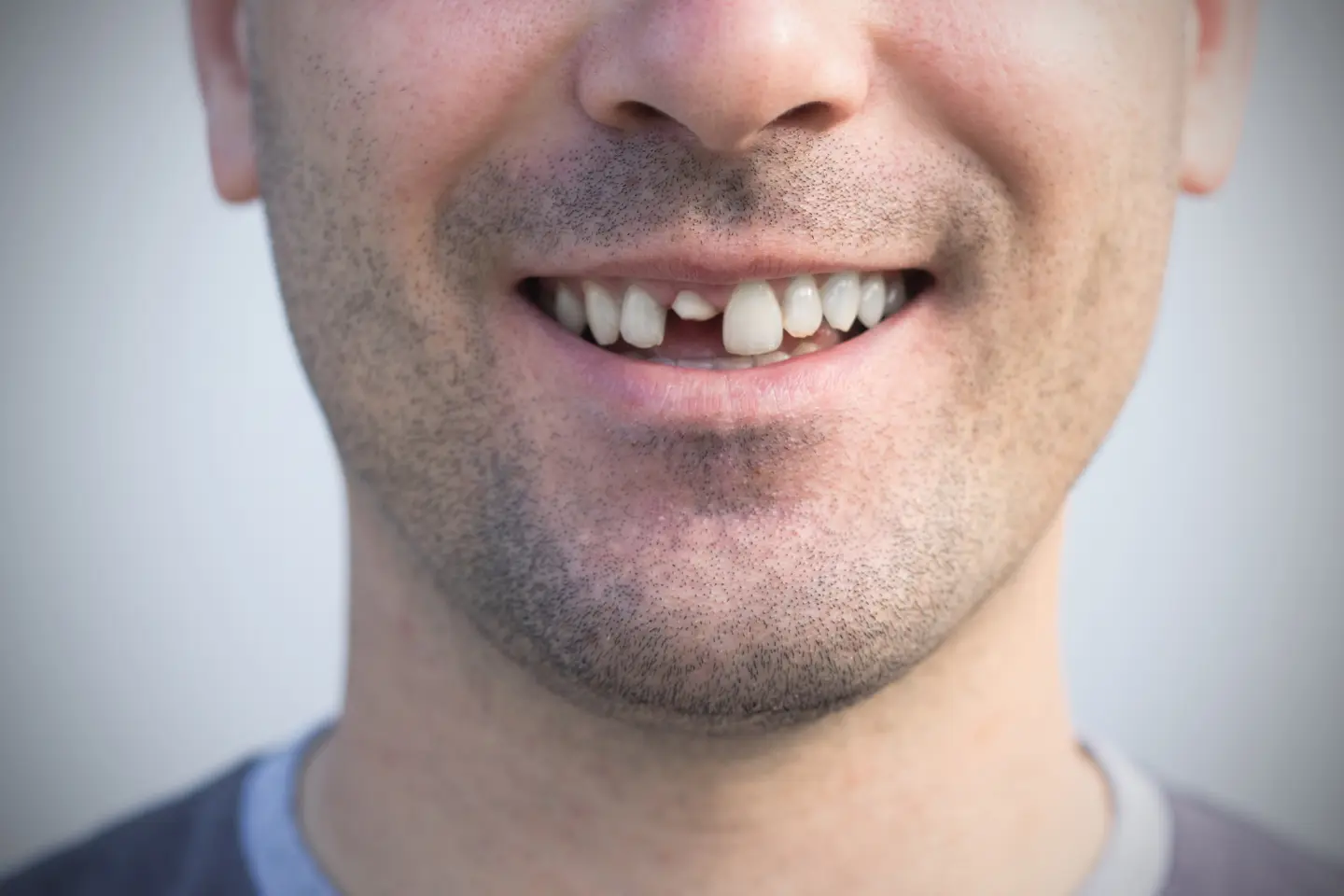
Losing teeth can change your life more than you might think. Eating the foods you love becomes a struggle, you might feel shy about smiling, and even talking clearly can sometimes be hard. If you are looking at ways to replace missing teeth, you have likely looked into dental implants vs dentures and wondered which one is actually better for the long haul.
Both of these treatments are used all the time to fix smiles and help people chew properly again, but they work in very different ways. Some people love the solid, fixed feel of dental implants, while others prefer dentures because they can be taken out and usually cost less at the start.
The best choice for you really depends on your health, your daily life, what you want to achieve, and your budget. Understanding the good points and the downsides of each can help you feel more sure about what to do for your teeth.
What Are Dental Implants and Why Do People Pick Them?
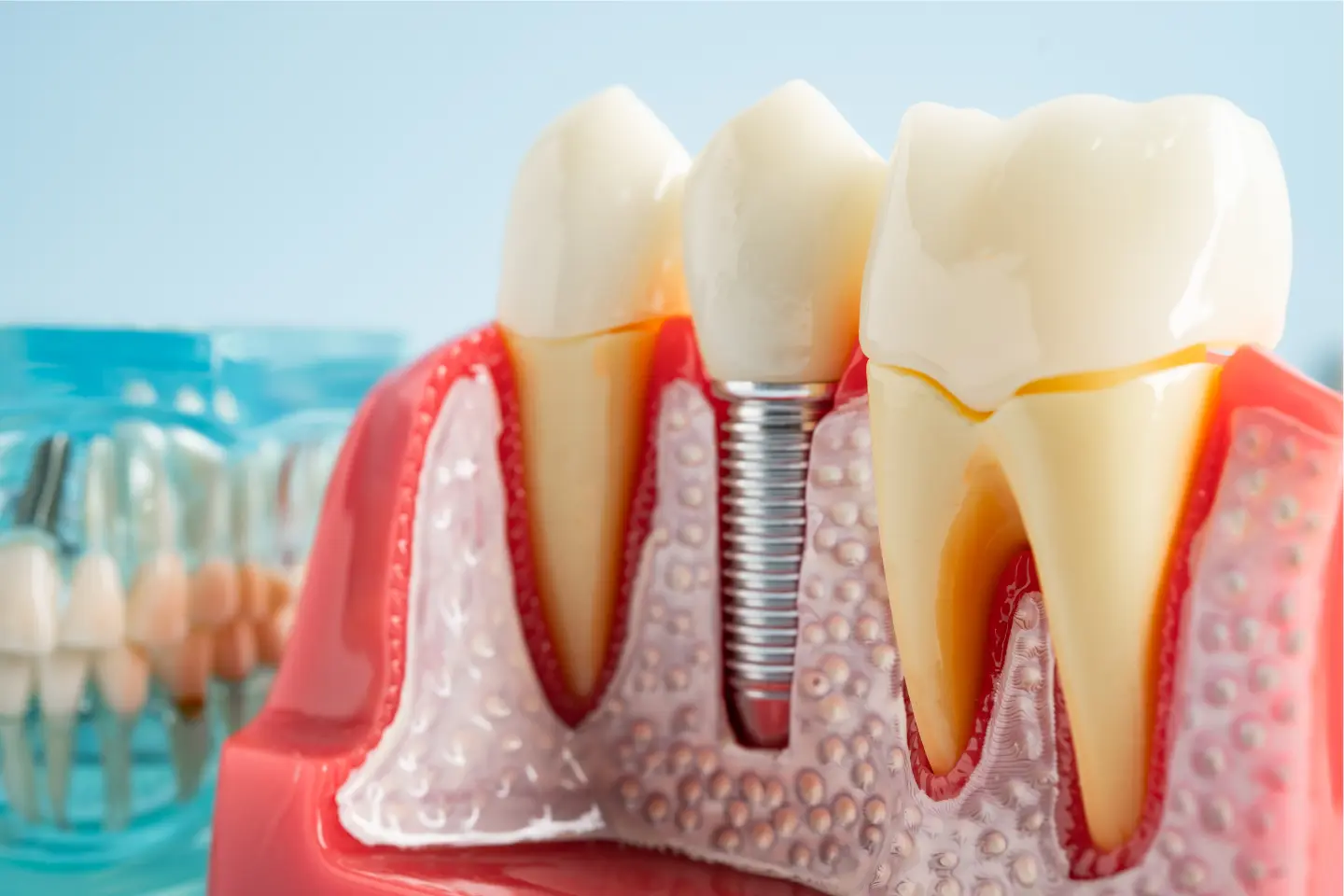
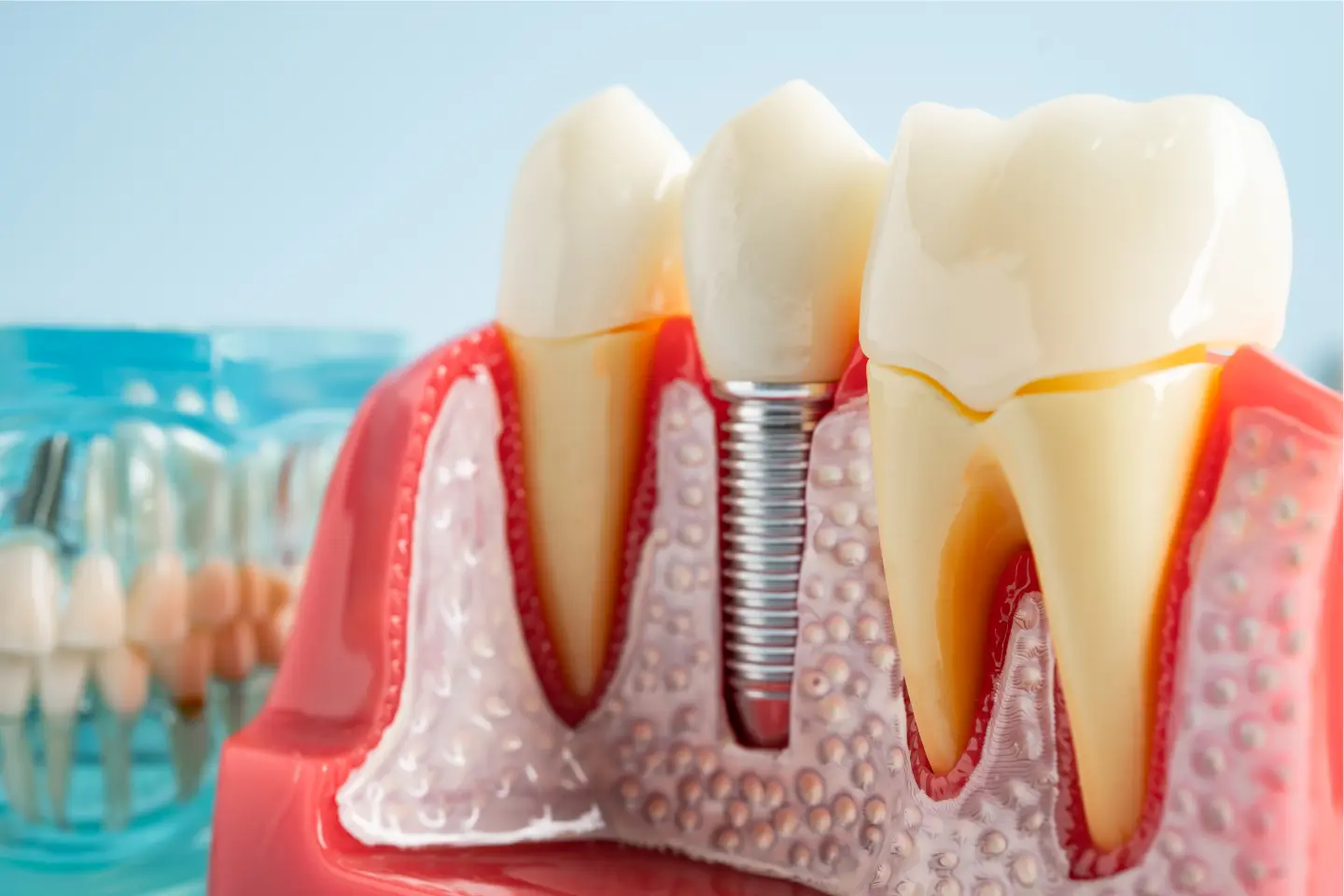
Dental implants are small titanium posts that a dentist places into the jawbone. They act like the roots of teeth that are no longer there. Once the bone heals around the post, a crown or a bridge is attached to the top.
When looking at dental implants vs dentures, many patients go for implants because they want something that feels like a real tooth. Unlike dentures that you take out at night, implants stay put and let you bite down with plenty of strength.
Dental implants are often used for:
- Replacing just one missing tooth.
- Filling a gap where a few teeth are gone.
- Replacing a whole row of teeth using a special bridge.
One of the biggest plus points for implants over time is how they help the jawbone. When you lose a tooth, the bone in that area can start to shrink away because nothing is pressing against it. Because implants act like roots, they keep the bone active and help stop it from thinning out.
Most people also find them easy to look after because you just brush and floss them like your normal teeth, with no need for messy glues.
What Are Dentures and How Have They Changed?
Dentures are removable sets of teeth designed to replace what you have lost. Depending on your needs, you might get a full set or just a partial set to fill in smaller gaps.
Modern dentures have come a long way. They look much more like real teeth now, and the materials used are lighter and more comfortable than the ones people used years ago.
When comparing dental implants vs dentures, people often choose dentures if they:
- Have lost many teeth.
- Want something they can remove.
- Don't have enough bone left for an implant.
- Want a cheaper option to start with.
Dentures sit on top of the gums. While many people get used to them quickly, some find that they can move a little when eating or talking. This is especially true for lower dentures, which don't have as much to hold onto. You also have to expect that your dentures will need adjusting as the shape of your mouth changes naturally over time.
Which Option Feels More Like Real Teeth?
A common question people ask is which choice feels most natural.
Dental implants are fixed into your mouth. They don't rely on suction to stay in place, so they don't slip around. Most people find they can eat almost anything with implants without worrying. Talking also feels more natural because you aren't worried about the teeth moving while you speak.
Dentures, however, take a bit of practice. In the beginning, you might notice your speech sounds a bit different or that your mouth feels a bit full. Over time, you will likely get used to them, but the feeling is never quite the same as having a fixed tooth in the bone.
Which One Lasts Longer: Dental Implants vs Dentures
How long the treatment lasts is a big deal when weighing up your options.
Dental implants are built to be a permanent fix. If you keep your gums healthy, brush well, and see your dentist for check-ups, an implant can last for decades. They are a "fit and forget" type of solution for many, though you still need to keep an eye on them.
Dentures also last a long time, but they usually need more work. Because your jawbone changes shape after you lose teeth, dentures can start to feel loose. This means they might need "relining" (adding new material to the base) or even a full replacement every five to ten years to keep them fitting well.
Are Implants More Comfortable?
Comfort is different for everyone. Many patients tell us that implants feel better because they don't rub against the gums. You also don't have to deal with the sticky adhesives that many denture wearers use to keep their teeth from moving.
Dentures can still be very comfortable if they are made well, but some people do deal with:
- Sore spots on the gums.
- Teeth slipping during a meal.
- Trouble eating very hard or chewy foods.
If you are worried about pain or how the teeth will feel day-to-day, it is worth talking through your concerns with a dentist who can show you how each one fits.
The Cost Difference Between Implants vs Dentures
Price is a major factor for most people.
Dentures are much cheaper to get at first. This makes them a great option if you need to replace teeth quickly on a tighter budget. However, you should remember that you might spend more later on repairs, adjustments, or new sets as your mouth changes.
Dental implants cost more at the start. This is because the process involves a small surgery, a healing period, and high-quality materials. Some people might also need a "bone graft" to make the jaw stronger before the implant can go in. Even though the price is higher, many see it as a long-term investment in their comfort and health.
Can You Get the Best of Both?
For some, implant-supported dentures are the perfect middle ground. These are dentures that "click" onto a few implants placed in the jaw. This makes them much more stable than normal dentures, so they won't slip, but they are still easier to manage than replacing every single tooth with an individual implant.
Making Your Decision: Implants or Dentures?
Choosing between dental implants and dentures is a big step. You should think about:
- How healthy your gums and bone are.
- Whether you want something fixed or removable.
- Your budget for now and for the future.
- What you want to be able to eat.
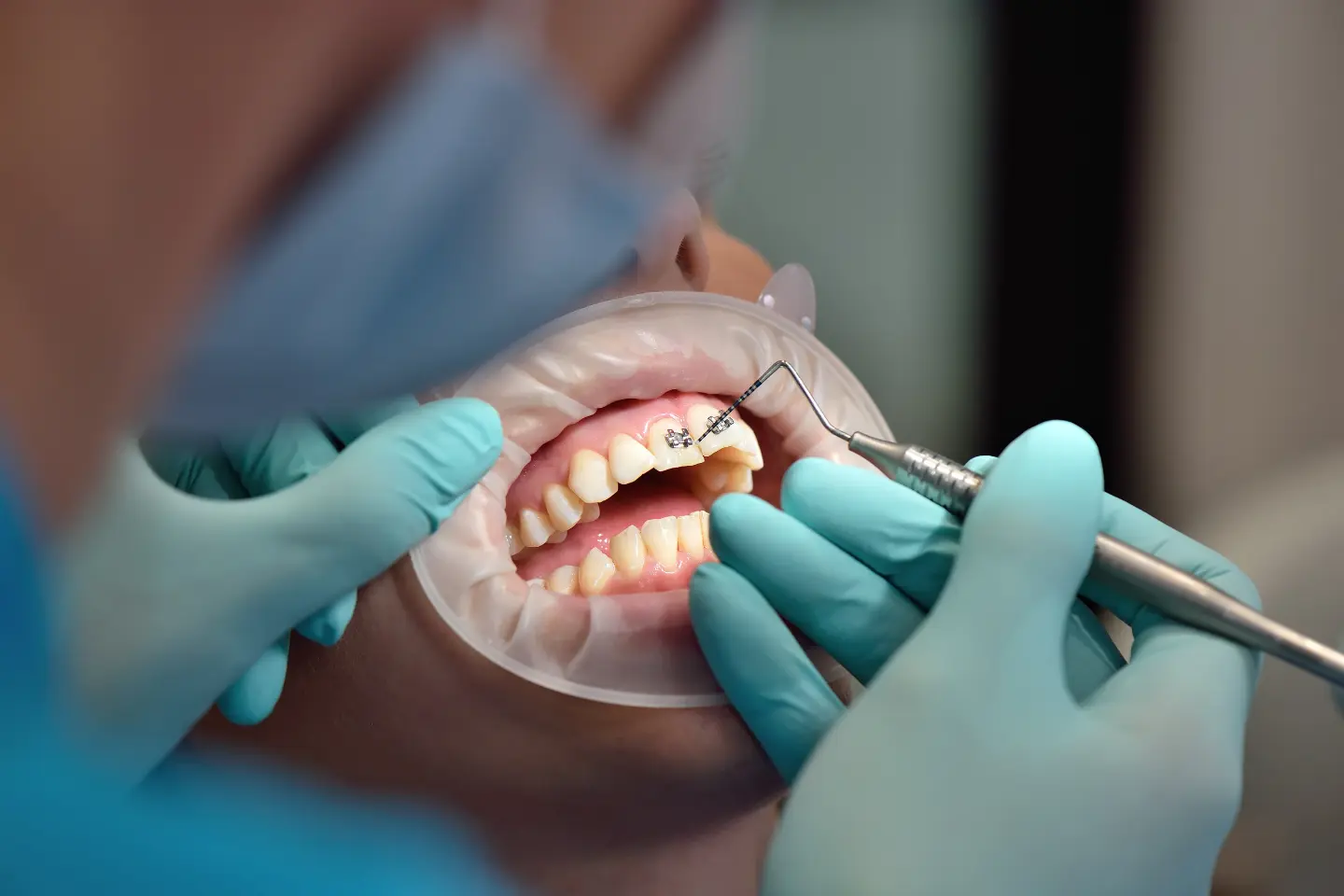
A check-up and an X-ray are the only way to know for sure what will work in your mouth. At Willerby Dental Care, we listen to what you want and help you find the right path. Whether you want the stability of implants or the simplicity of dentures, we can guide you through the process in a way that makes sense.
Frequently Asked Questions About Implants vs Dentures
Q: Are implants better than dentures?
Both have their place. Implants are more stable and feel like real teeth, while dentures are easier to get and cost less initially.
Q: How long do implants last?
With good care, they can last a lifetime, but the crown on top might need replacing after 10 or 15 years.
Q: Do dentures look fake?
Not these days. Modern dentures are made to look very realistic, matching the colour and shape of your natural smile.
Q: Is it painful to get implants?
The area is numbed with an injection, just like a filling, so you shouldn't feel pain during the procedure. You might have some aching for a few days after, but it usually settles quickly.
Q: Which is more affordable?
Dentures have the lowest upfront cost, but implants can sometimes be more cost-effective over many years because they don't need to be replaced as often.
Still have questions?
Stay updated with dental
wellness tips






.jpeg)
.jpeg)








.webp)
.png)