Do You Need a Mouthguard? When Dentists Recommend Custom-Fitted Protection
Most of us only think about a mouthguard after something goes wrong. A chipped tooth at five-a-side. A jaw that aches every morning. A partner who says your grinding keeps them awake. By then, the damage may already be done. The good news is that a mouthguard can be a simple, practical way to protect your teeth, and knowing when you might need one can save you a lot of hassle later. Let's talk through who benefits, which types exist and why many dentists lean towards a custom-fitted mouthguard.
What Does a Mouthguard Actually Do for Your Teeth?
A mouthguard is a soft or firm covering that sits over your teeth, acting as a cushion between them. It can help absorb impact, spread force and keep teeth from rubbing against each other or against hard surfaces.
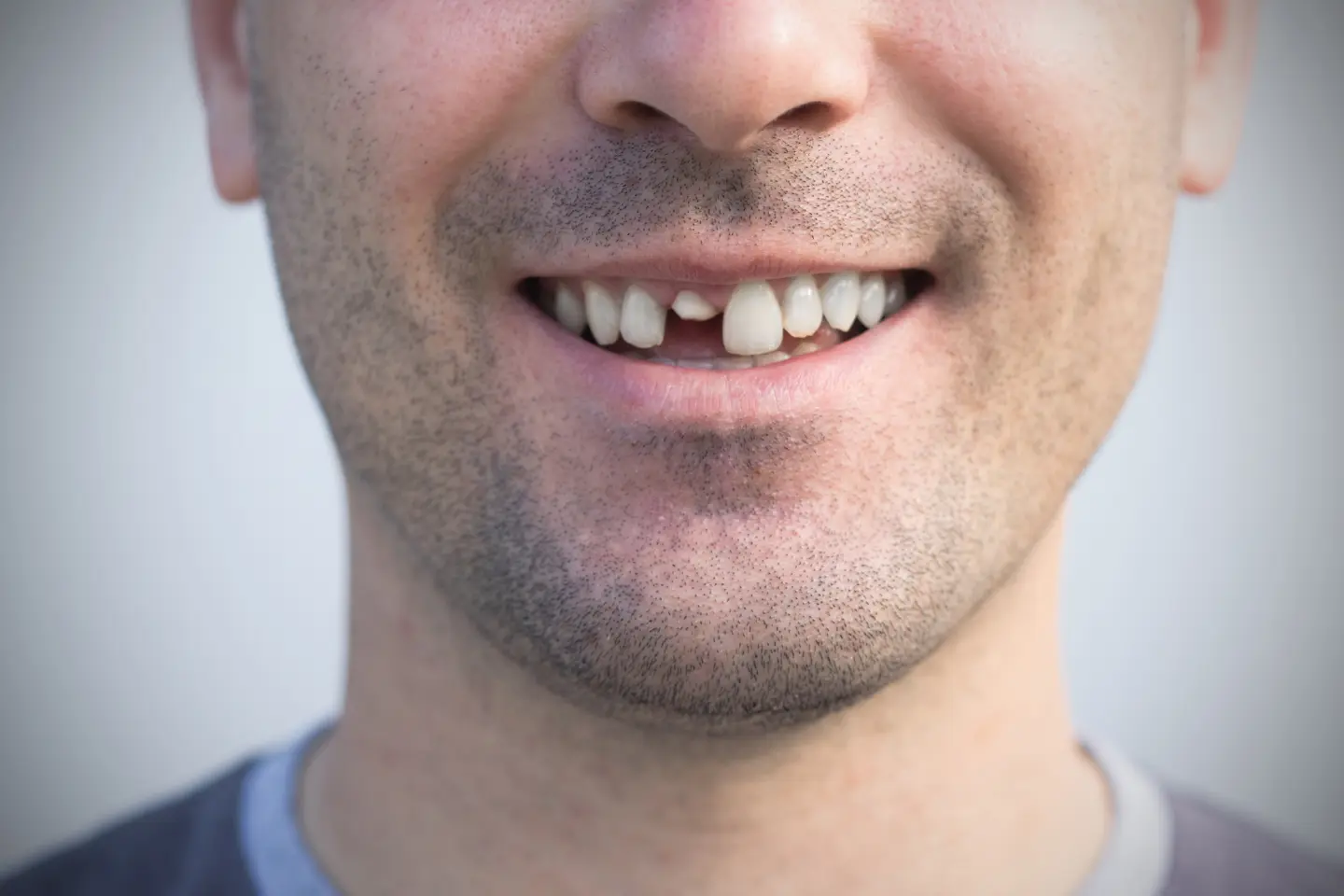
There are two main jobs. One is protecting against sudden knocks, such as a stray elbow or a fall. The other is reducing wear from habits like clenching and grinding, which often happen without you realising. Different situations call for different designs, which is why one size really doesn't fit all.
Who Should Consider Wearing a Sports Mouthguard?
If you play anything where contact, falls or flying objects are possible, a sports mouthguard is worth thinking about. That includes the obvious ones like rugby, hockey and boxing, but also football, netball, basketball, martial arts, skateboarding and even cycling or horse riding.
- Children and teenagers: Active kids can be especially prone to dental injuries. A mouthguard can be a sensible precaution, particularly while teeth and jaws are still developing. Because their mouths change quickly, they may need replacing more often.
- Adults who play regularly: Amateur players often assume protection is only for professionals. Accidents don't check your level.
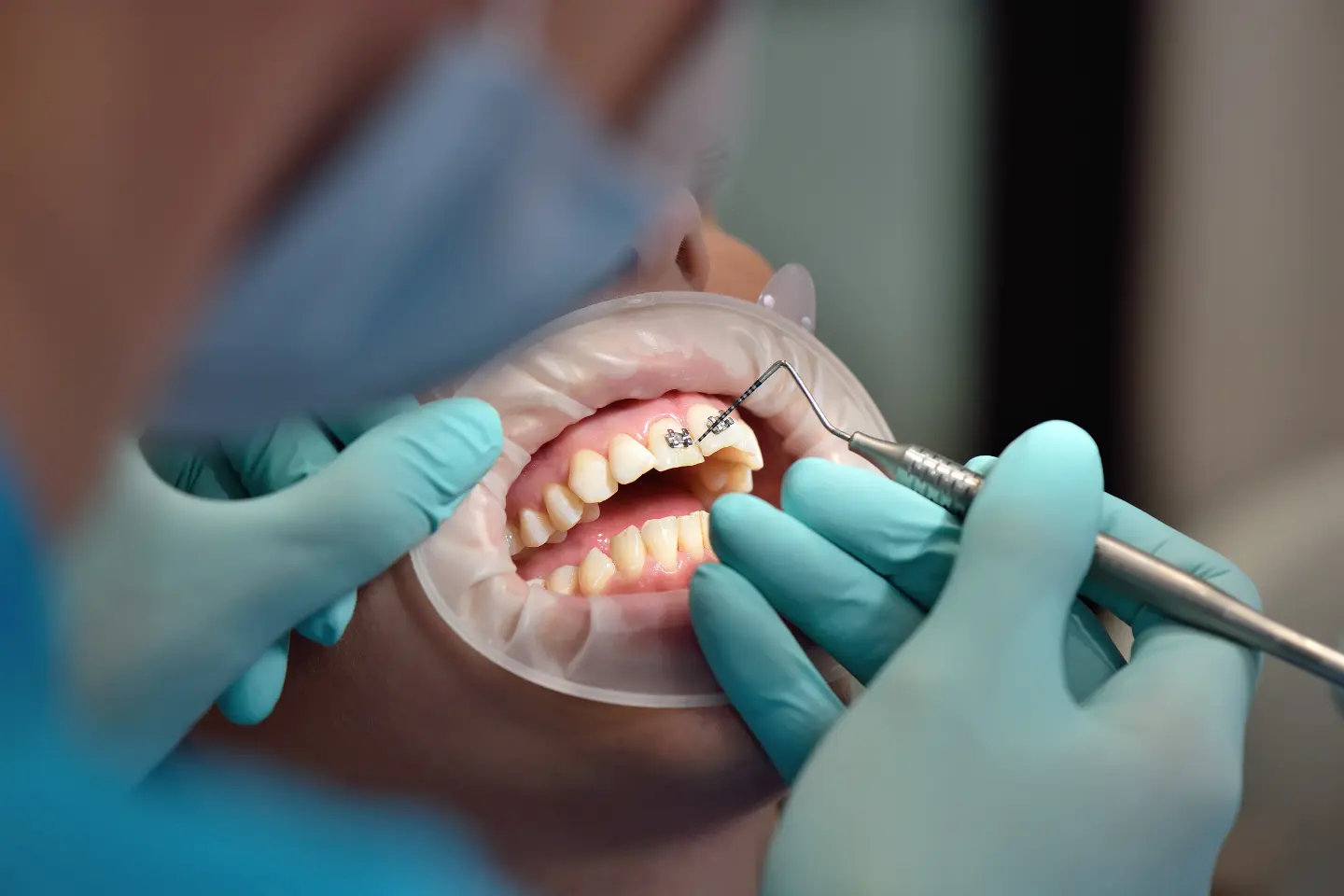
- People with braces: If you wear fixed braces and play contact sport, ask your dentist about a guard designed to fit around them.
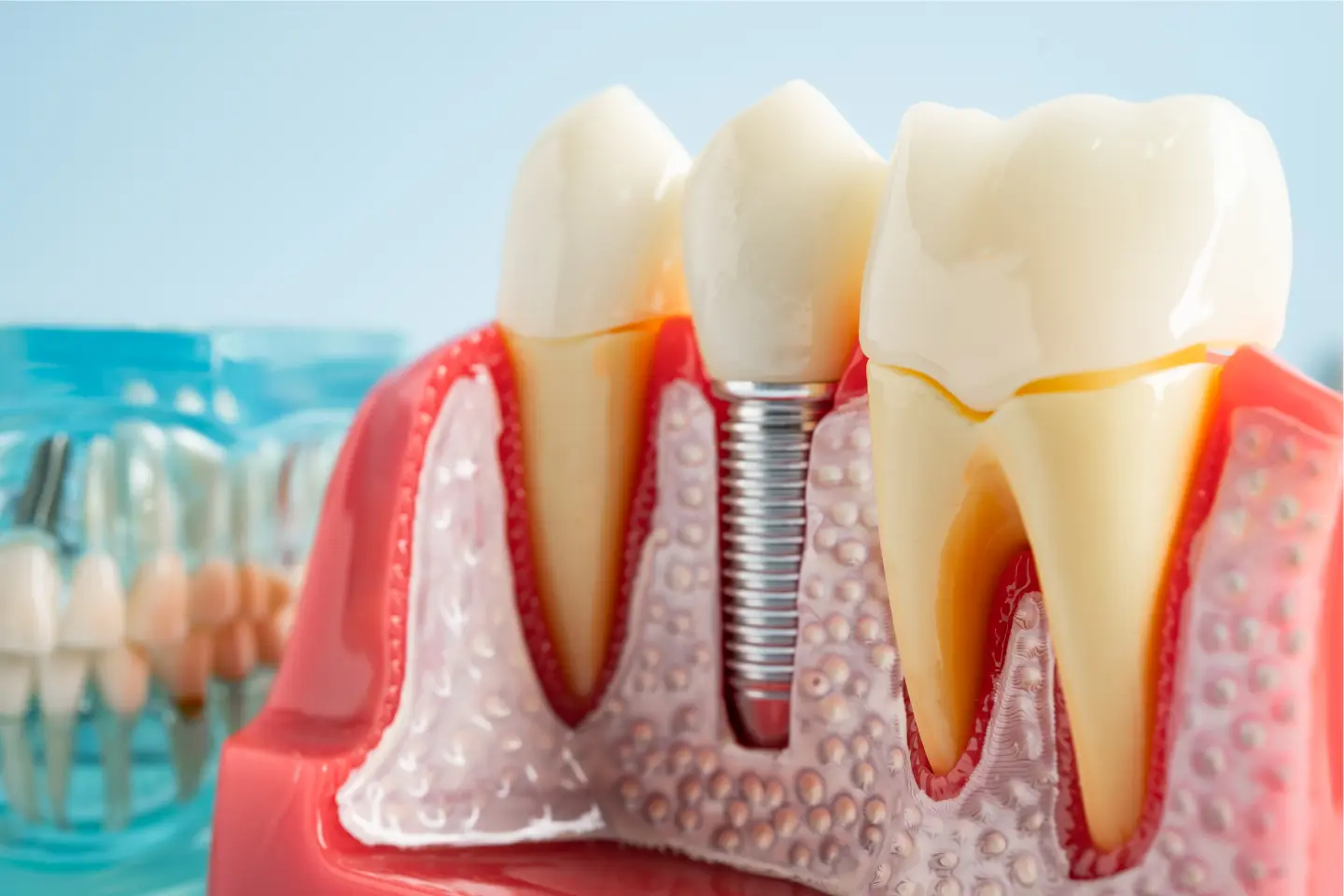
- Anyone with dental work: Crowns, veneers, bridges and implants can be costly to replace, and a mouthguard may offer an extra layer of protection.
Could Teeth Grinding Mean You Need a Night Guard?
This is the situation many people don't see coming. Bruxism, the clinical term for grinding or clenching your teeth, often happens during sleep. You might not notice it at all until a partner mentions it or you start waking up with symptoms.
Common signs include:
- Jaw soreness or tightness, especially in the morning
- Headaches around the temples
- Teeth that look flat, chipped or worn down
- Sensitivity to hot and cold
- Clicking or discomfort in the jaw joint
- Tired or tense facial muscles
None of these automatically means you grind your teeth, since other things can cause similar symptoms. But if several sound familiar, it's worth mentioning to your dentist. A night guard, sometimes called an occlusal splint, may be suggested to help protect your teeth from wear. It doesn't stop the grinding itself, but it can act as a barrier.
Custom-Fitted Mouthguard vs Shop-Bought: What Is the Difference?
This is where people often hesitate, mostly because of cost. Here's how the options usually stack up.
- Stock mouthguards: These come ready-made and are sold in sports shops and pharmacies. They're cheap and convenient, but they don't adapt to your mouth. Many people find them bulky, and they can make breathing and speaking harder.
- Boil-and-bite mouthguards: These are softened in hot water and moulded to your teeth at home. They offer a better fit than stock versions, but the result depends on how carefully you shape them, and they may not hold their form as long.
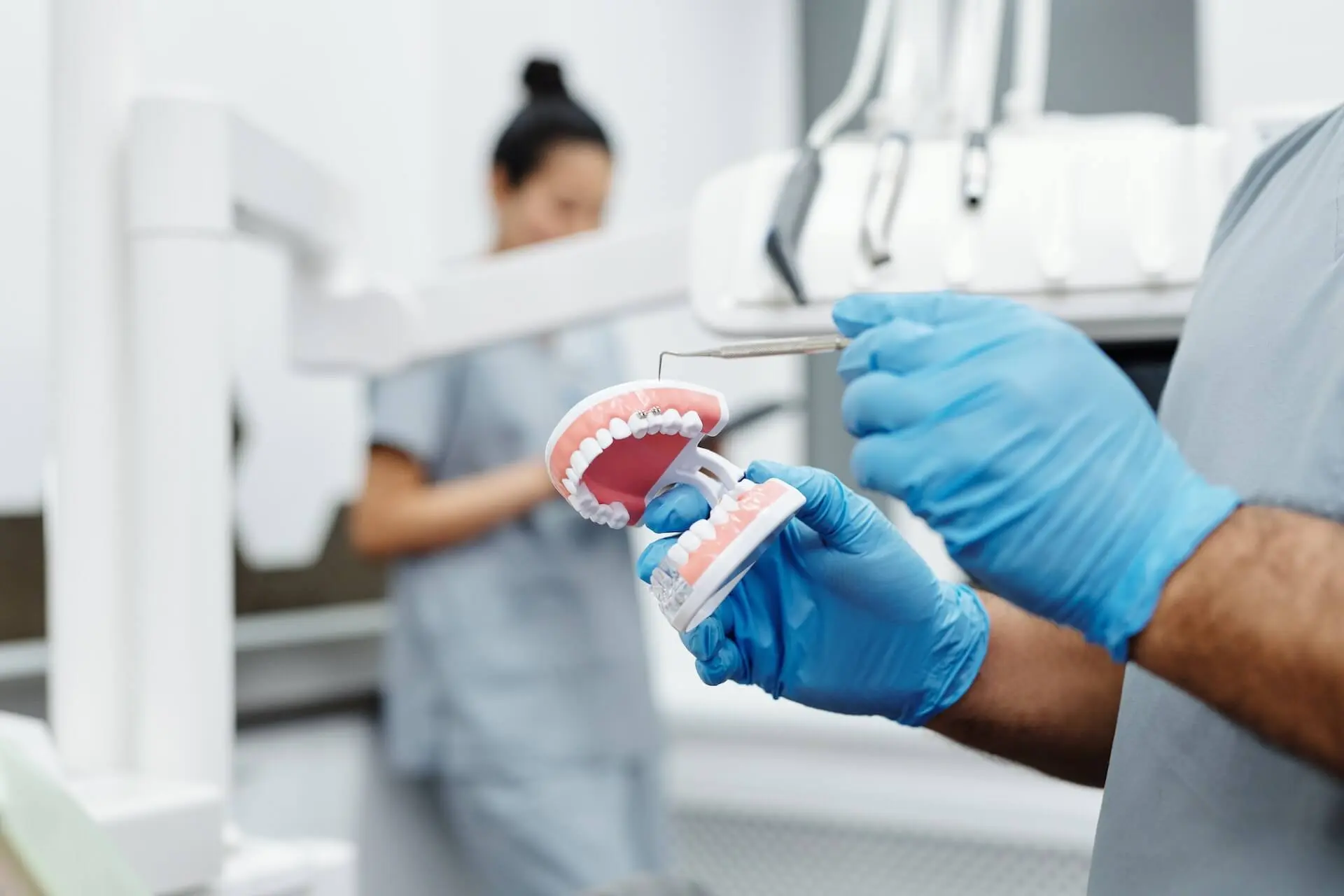
- Custom-fitted mouthguards: Made from an impression or digital scan of your teeth, these are crafted specifically for your mouth. They tend to feel more comfortable, stay in place better and can be designed for your needs, whether that's contact sport, braces or grinding.
None of these is a magic shield. No mouthguard can prevent every injury. But a well-fitting one that you actually wear is likely to serve you better than a loose one that stays in your kit bag.
When Do Dentists Recommend a Custom-Fitted Mouthguard?
Your dentist might suggest a custom-fitted mouthguard if:
- You play contact or collision sports regularly
- You wear braces, retainers or have complex dental work
- You've had a previous dental injury
- You show signs of teeth grinding or clenching
- Shop-bought options feel uncomfortable or keep falling out
- You've struggled with jaw discomfort and want to protect your teeth
Comfort matters more than people think. If a guard feels awkward, it's more likely to end up forgotten. A well-made one can feel almost unnoticeable after a short adjustment period.
What Happens When You Get a Custom Mouthguard Made?
It's usually a straightforward process.
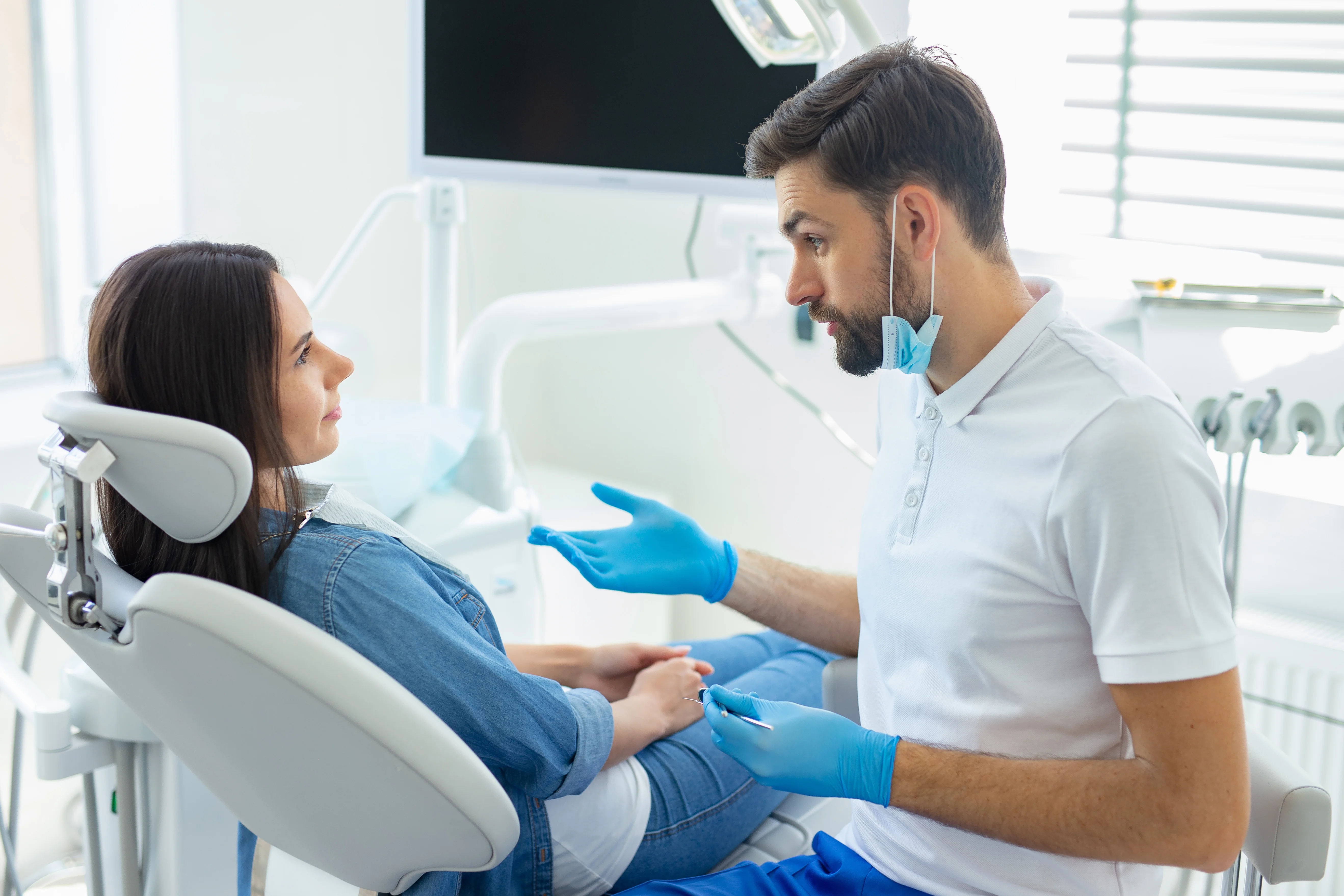
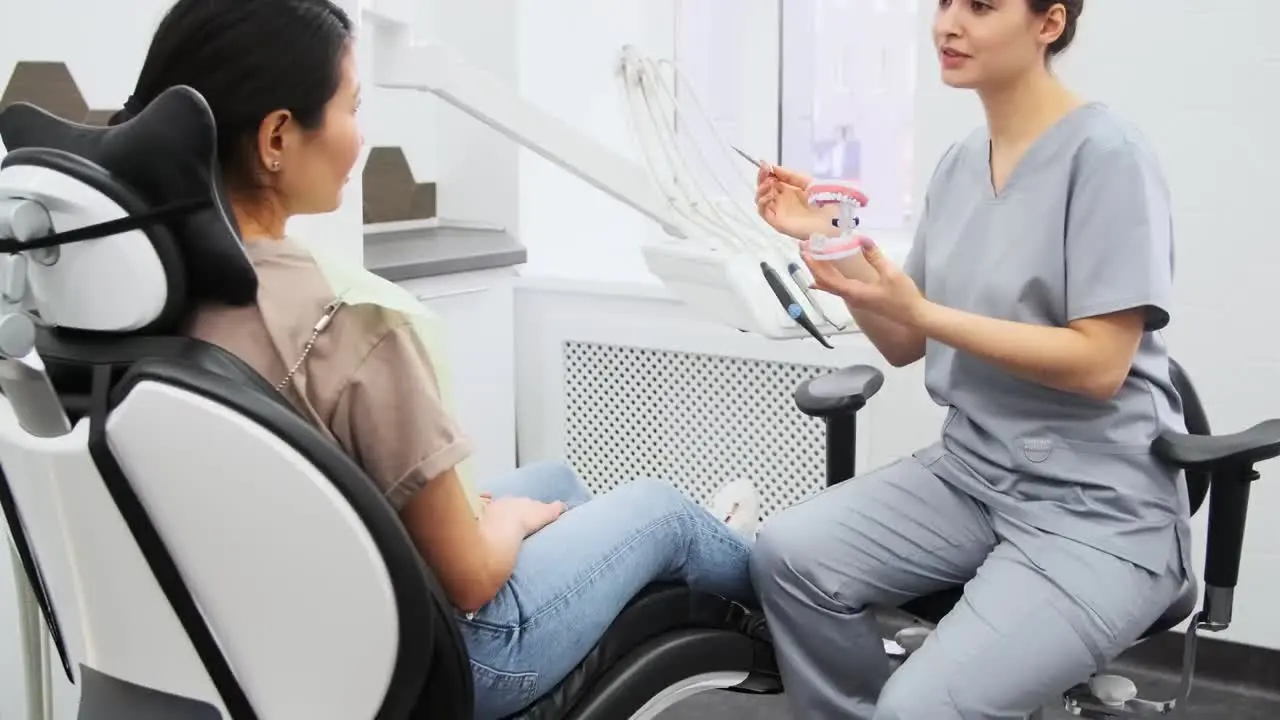
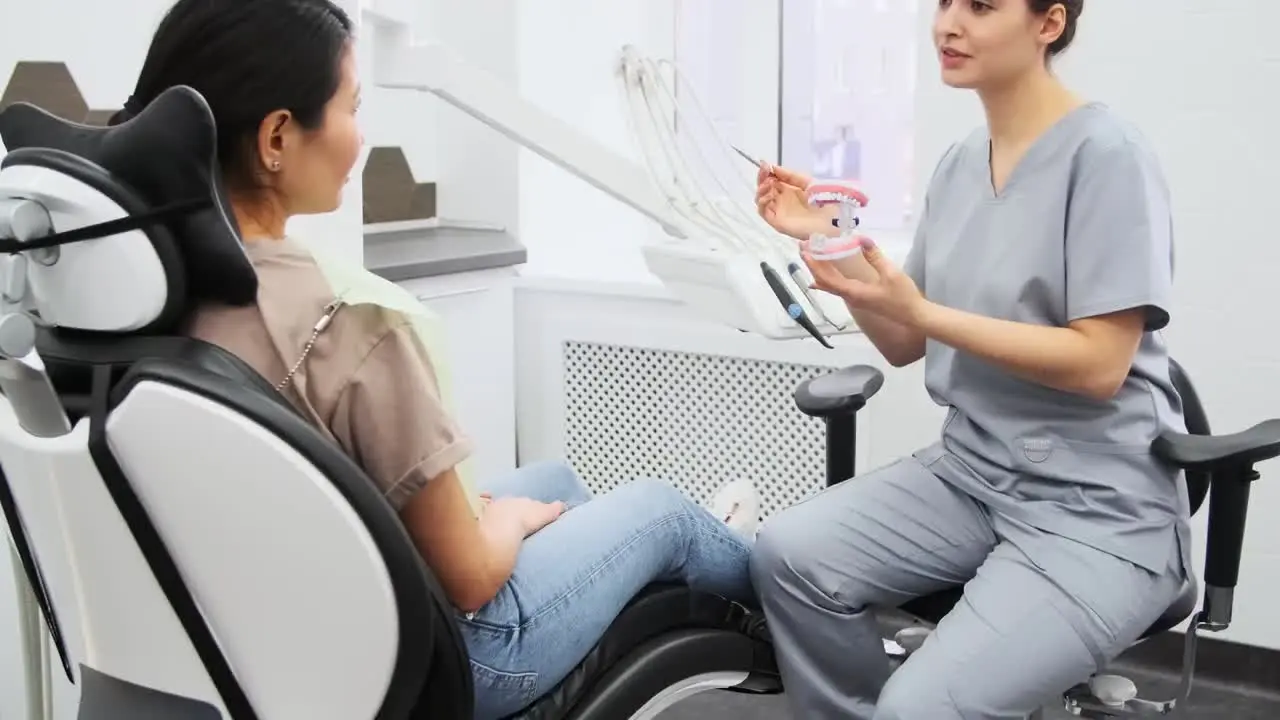
- Consultation: Your dentist looks at your teeth, asks about your sport or symptoms and explains what might suit you.
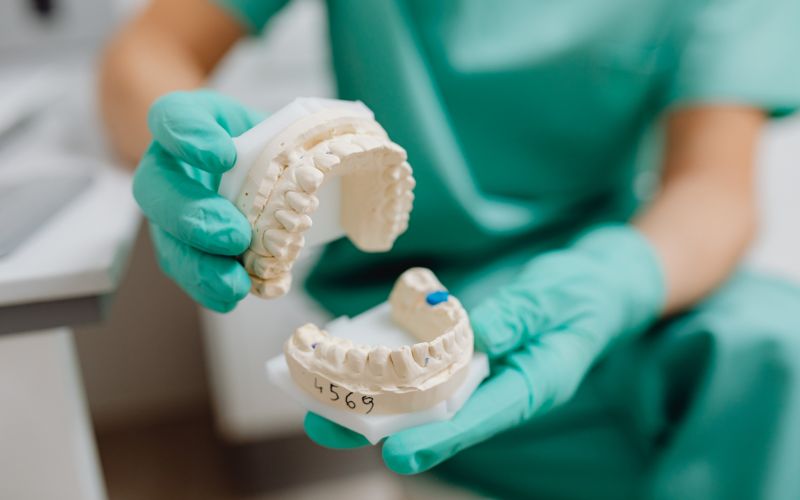
- Impression or scan: A mould or digital scan captures the shape of your teeth. It's quick, and most people find it fine.
- Laboratory crafting: The guard is made to match your bite and your needs, which typically takes a short while.
- Fitting: You try it on, and your dentist checks the fit, comfort and bite. Small adjustments can be made.
- Aftercare advice: You'll be shown how to clean and store it properly.
If you're having a guard made for a child, mention growth and any upcoming orthodontic plans, as these can affect when it needs replacing.
How Do You Look After a Mouthguard?
A mouthguard lasts longer when it's cared for properly.
- Rinse after use: Cool water works well. Avoid hot water, which can warp the material.
- Brush it gently: Use a soft toothbrush and mild soap or non-abrasive toothpaste.
- Store it in a ventilated case: This keeps it clean and protected, and stops it from getting squashed.
- Keep it away from heat: Don't leave it in a car or near radiators.
- Check it regularly: Cracks, thin patches or a changing fit mean it may be time for a replacement.
- Bring it to check-ups: Your dentist can assess how it's wearing and whether your teeth have changed.
Protect Your Smile With a Custom-Fitted Mouthguard at Willerby Dental Care
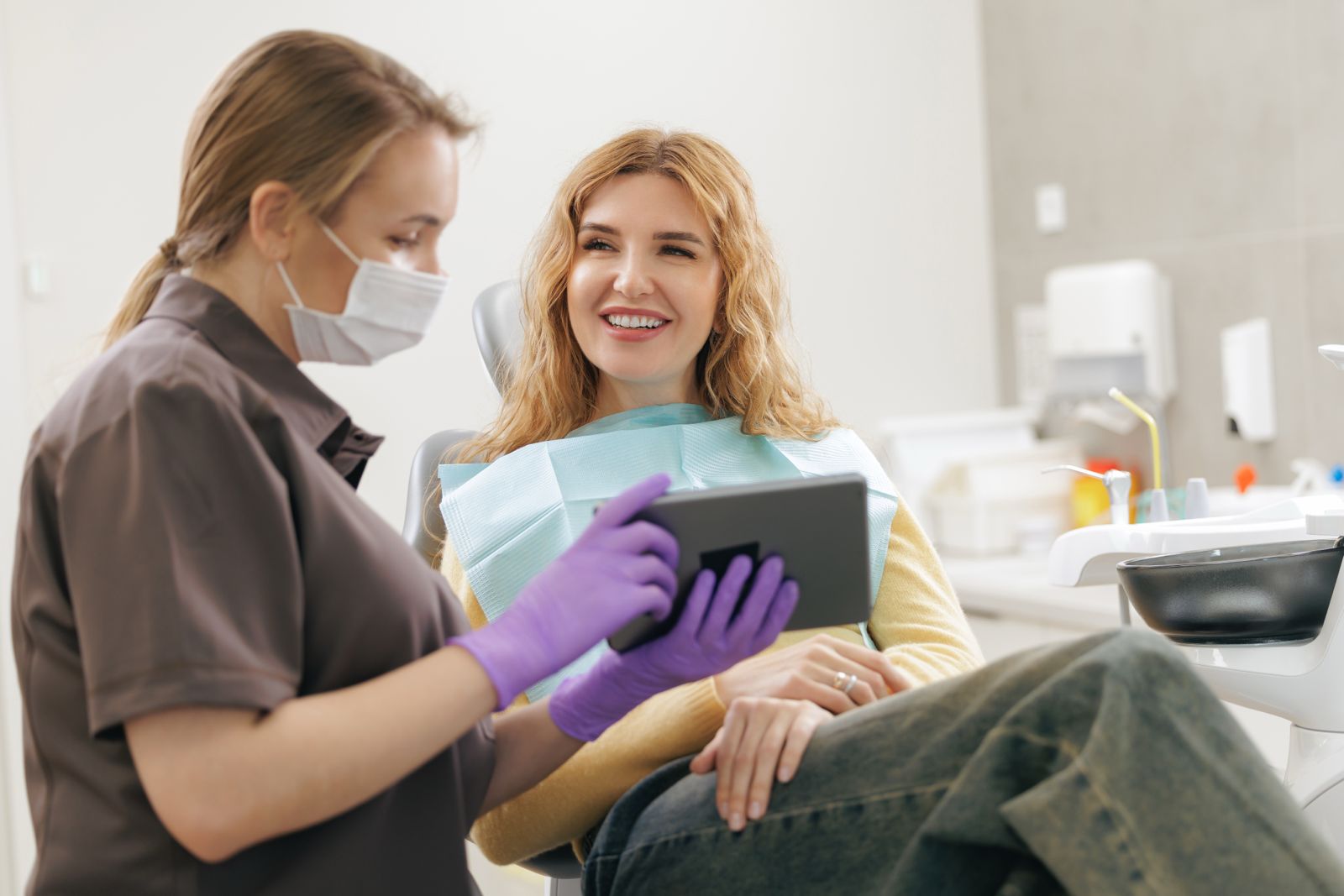
Whether you're lacing up your boots on a Saturday morning or waking up with a sore jaw, the right dental protection can make a real difference. The team at Willerby Dental Care can look at your teeth, talk through your lifestyle and help you decide whether a custom-fitted mouthguard might suit you.
Willerby Dental Care welcomes patients from Willerby, Hull, Brough and Swanland. Get in touch to discuss your smile and arrange a consultation. At Willerby Dental Care, the focus is on clear advice and comfortable care, so you can feel confident about looking after your teeth. Contact Willerby Dental Care today to find out whether a mouthguard could be right for you.
FAQs About Mouthguards and Custom-Fitted Dental Protection
Q: Do I need a mouthguard if I don't play contact sports?
A: Not necessarily for sport, but you might still benefit if you grind or clench your teeth. Your dentist can look for signs of wear and talk through whether a night guard may help.
Q: How long does a custom-fitted mouthguard last?
A: It varies depending on how often you use it and how you look after it. Sports guards may need replacing every season or sooner for growing children, while night guards can last longer with good care.
Q: Can I wear a mouthguard with braces?
A: Yes, though it needs to be designed to fit around the brackets and wires. Your dentist or orthodontist can recommend the right type.
Q: Will a mouthguard stop me grinding my teeth?
A: Usually not. It acts as a physical barrier to help protect your teeth from wear. If stress or other factors are involved, your dentist may suggest ways to manage those too.
Q: Is a mouthguard uncomfortable?
A: It can feel strange at first, but most people adjust within a few days. If it continues to feel sore or tight, let your dentist know so they can adjust it.
Still have questions?
Stay updated with dental
wellness tips