



.svg)


Root Canal Treatment in Willerby, Hull
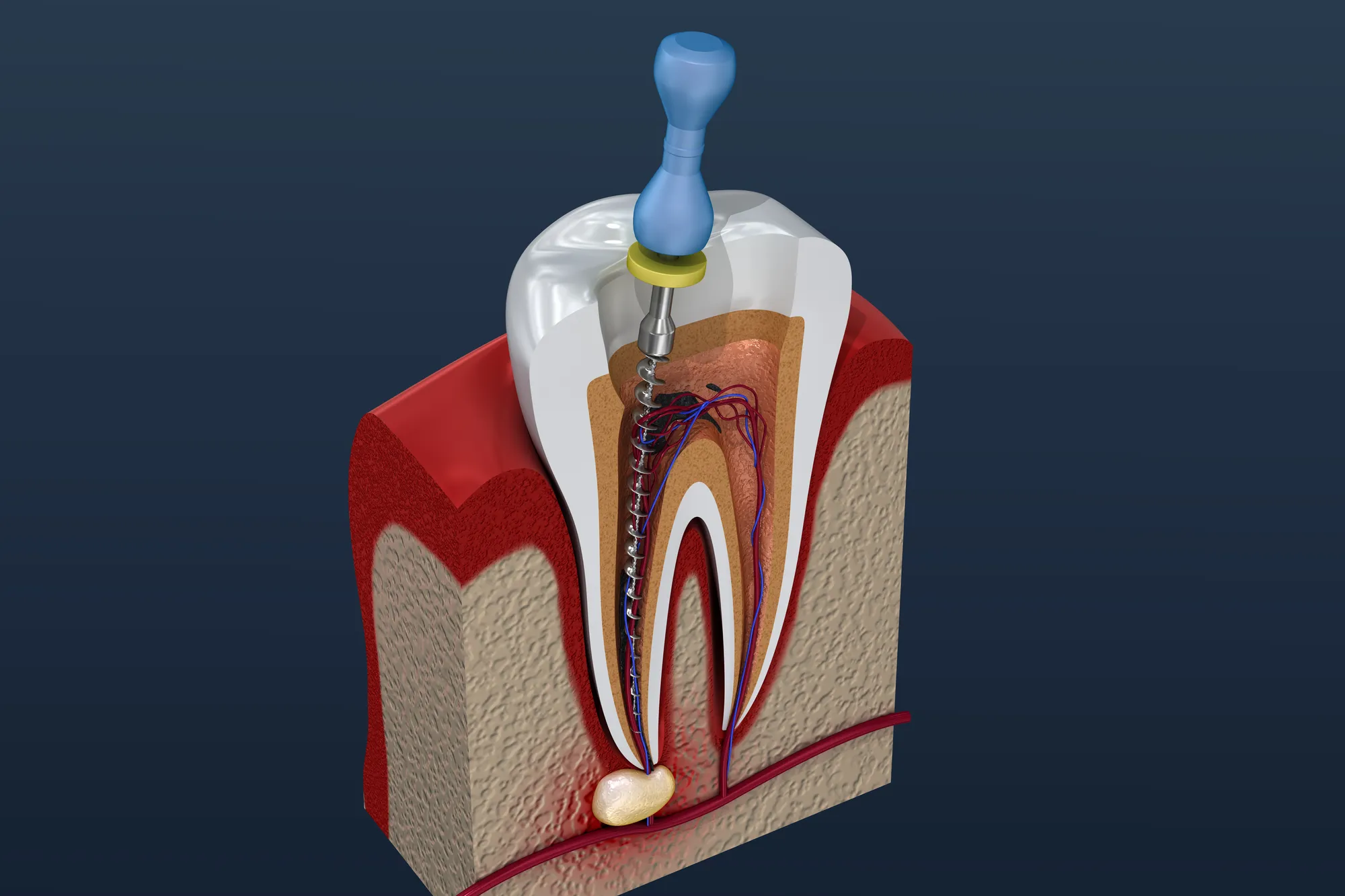
What is a Root Canal?
A root canal is a dental treatment used to save a tooth that has become infected.
It means that bacteria have reached the centre of the tooth, where the living tissue (the pulp) is located.
The procedure involves three key steps:
- Removing the bacteria and infected tissue from inside the tooth
- Thoroughly cleaning and disinfecting the internal space
- Sealing the tooth to prevent future infection
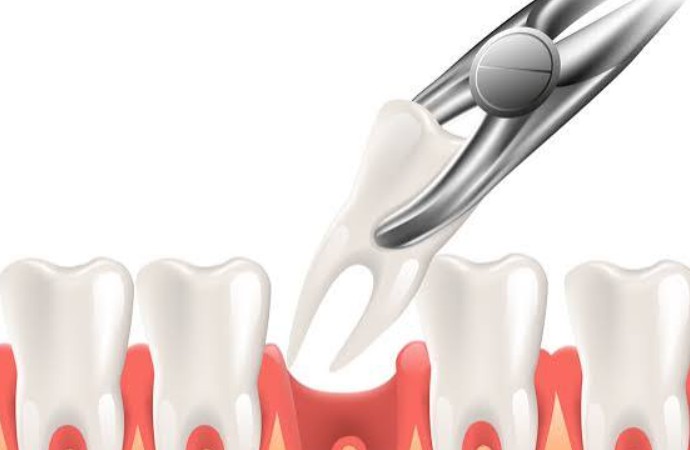
The only other option for an infected tooth is taking the tooth out (extraction).
You can think of a tooth a bit like a tree. Just as a tree’s roots draw water up from the soil, the roots of your tooth once carried nutrients and moisture from your body into the tooth. After root canal treatment, the tooth is no longer hydrated from within and becomes more brittle.
This is why it becomes even more important to consider a restoration that closely mimics the natural strength and flexibility of a healthy tooth — a biomimetic approach. Rather than simply covering the tooth, these restorations are designed to behave like natural tooth structure, helping to preserve what remains and protect it for the long term.
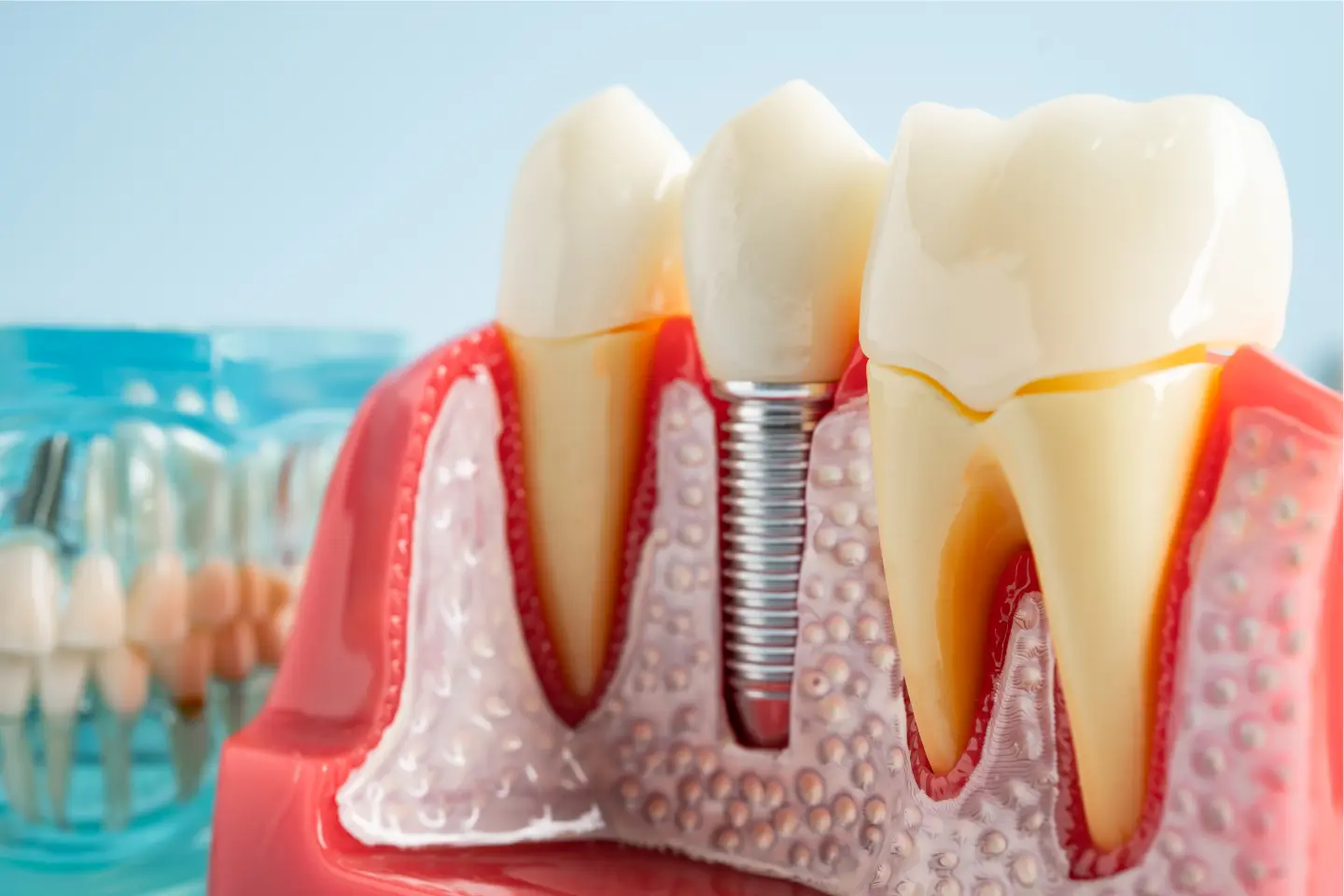
Every tooth contains a central area known as the pulp, which holds nerves and blood vessels. These nerves extend down through the root canals — narrow channels that run through each root of the tooth. This inner system allows us to feel sensations such as heat, cold, or pressure.
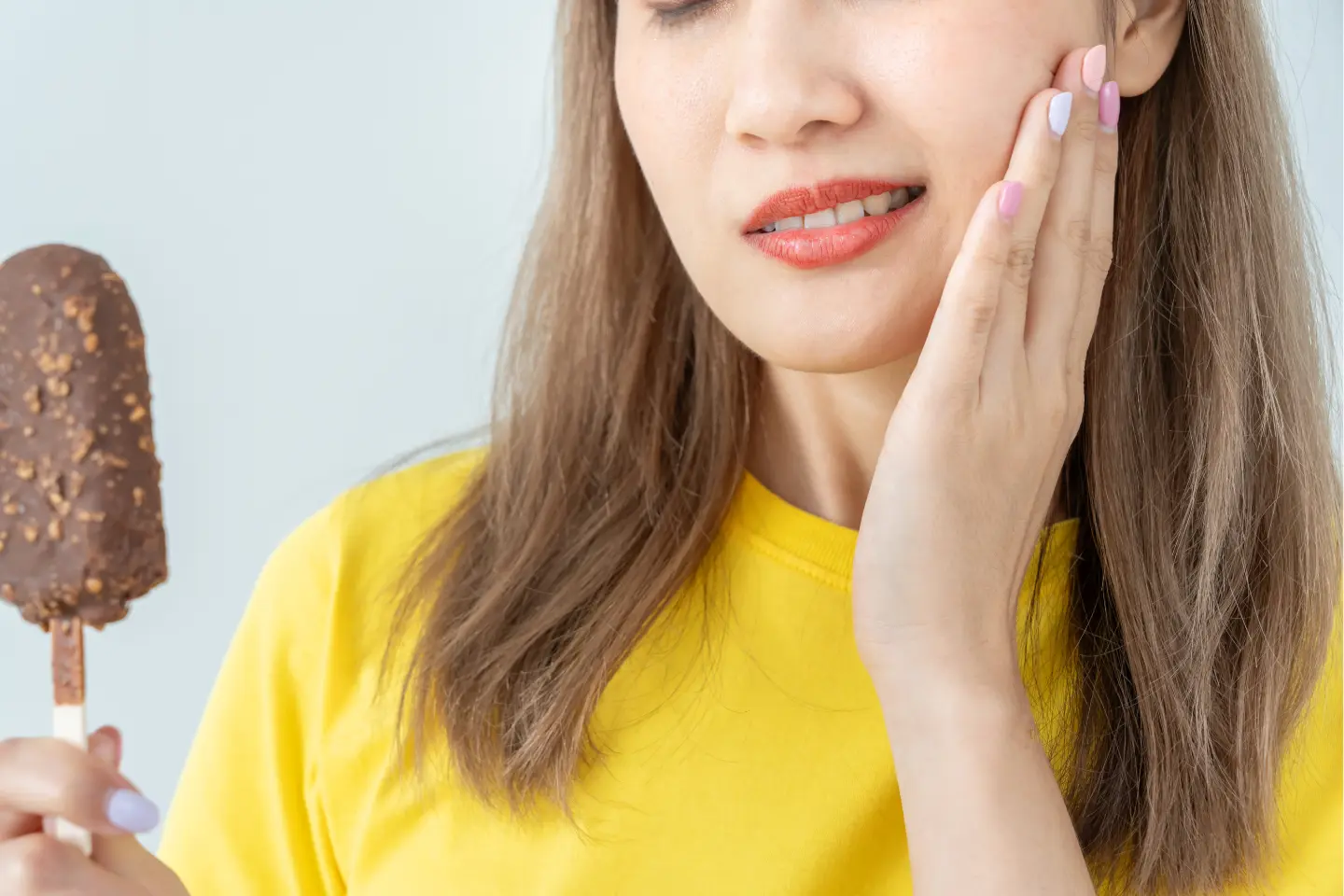
However, when the pulp becomes inflamed or infected — whether due to deep decay, a crack, injury, or severe gum disease — it can cause intense discomfort. This pain is often your body’s way of signalling that something inside the tooth isn’t right. If left untreated, the infection can spread, making it painful to eat, drink, or even sleep.
What Does Root Canal Treatment Involve?
Root canal therapy (also called endodontic treatment) involves several careful steps:
- The affected area is numbed to ensure comfort.
- Delicate tools are used to access the pulp chamber and clean out the infected or damaged nerve tissue from within the canals.
- The cleaned canals are disinfected and shaped.
- A biocompatible material (usually a rubber-like substance) is used to fill and seal the canals to block out bacteria.
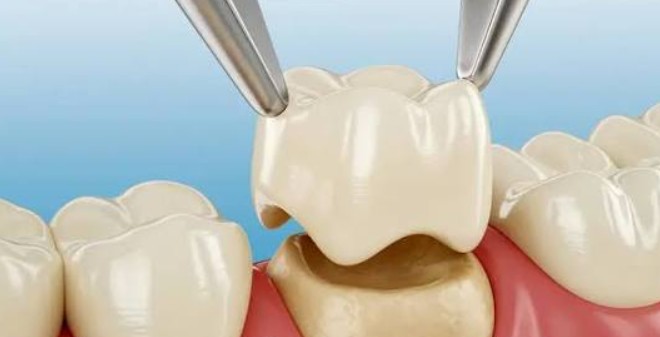
- Finally, the tooth is restored — often with a crown — to bring it back to full strength and function.
When done properly, root canal treatments are highly successful and can last many years, allowing you to keep your natural tooth rather than having it removed.
What If You Don’t Have the Treatment?
If the damaged nerve is not treated, the only alternative is to extract the tooth. While options like dental implants, bridges, or dentures can replace missing teeth effectively, none of them fully replicate the natural feel and function of your own tooth. Whenever possible, preserving the natural tooth is usually the best choice.
Frequently Asked Questions
Is root canal treatment painful?
No — with modern anaesthetic, root canal treatment feels similar to having a filling, and it relieves the pain caused by the infection rather than causing it.
How many visits does it take?
Most root canal treatments are completed in one or two appointments, depending on the complexity of the tooth.
What happens after treatment?
The tooth is usually restored with a filling or crown to protect it and restore full function.
Can the tooth be saved without a root canal?
If the nerve is infected or badly damaged, root canal treatment is usually the only way to save the natural tooth rather than losing it.
What are the alternatives to root canal treatment?
The main alternative is extraction, followed by replacing the tooth with a bridge, denture or implant.
Will my tooth feel normal afterwards?
Yes, once restored, a root canal treated tooth typically functions like any other tooth.
How long does a root canal treated tooth last?
With a good restoration and regular care, treated teeth can last many years, often a lifetime.
Interested in Root Canal?
Meet the people who care


.png)





Stay updated with dental
wellness tips



.jpeg)
.jpeg)





.webp)
.png)