



.svg)

Why Do Teeth Become More Sensitive as You Get Older?
Why Do Teeth Become More Sensitive as You Get Older?
You're halfway through a cup of tea, and suddenly there's that sharp, unwelcome zing across your front teeth. Maybe it's a spoonful of ice cream instead. Or a cold glass of water on a warm day, or just a gust of chilly air when you step outside. If this has been happening more often lately, you're not imagining it. And you're certainly not alone. Tooth sensitivity tends to creep up on people as the years go by, quietly changing how they eat, drink, and even brush.
For a lot of people we see, sensitivity isn't just a passing twinge. It starts to shape daily choices. People skip their morning smoothie because it's too cold. They stop enjoying a hot coffee first thing because the temperature sets off a jolt through their teeth. Some tell us they've started chewing only on one side of their mouth, or they've quietly given up foods they used to enjoy without noticing the pattern until we ask about it directly. Over time, this adds up to smaller changes in diet, less spontaneous enjoyment of meals, and a bit more thought going into something that should be simple.
There's also a time and cost element that often gets overlooked. Sensitivity left unaddressed can point to underlying issues such as enamel wear or gum recession. Left unmanaged, these can lead to more involved treatment later. Catching it early with a straightforward chat and a check-up is generally quicker and less costly than dealing with a bigger problem down the line. So before we get into the clinical reasons behind ageing teeth and sensitivity, it's worth saying this plainly: it's as much a quality of life issue as it is a dental one.
How Sensitivity Shows Up in Everyday Life
Sensitivity doesn't usually announce itself all at once. It builds gradually, so gradually that many people adjust their habits without realising why. Sound familiar? A few common patterns we hear about from people include:
- Avoiding cold drinks, or going easy on the ice to dodge the sharp sensation.
- Letting hot drinks cool down longer than they used to before taking a sip.
- Wincing during brushing. Particularly along the gumline.
- Feeling discomfort when breathing in cold air, especially in winter months.
- Choosing softer, room-temperature foods over crunchy or very hot or cold options.
None of these are dramatic on their own. But together, they show how much small, persistent sensitivity can shape a daily routine without anyone actively deciding to change anything.
What's Actually Happening to Your Teeth as You Age
Enamel Wears Down Over Time
Enamel is the hard, protective outer layer of your teeth. But it isn't indestructible. Decades of chewing, grinding, and exposure to acidic foods and drinks gradually wear it thinner. As enamel thins, it becomes less effective at insulating the nerve endings inside the tooth, which is one of the main causes of sensitive teeth in older adults.
Gum Recession Exposes the Root Surface
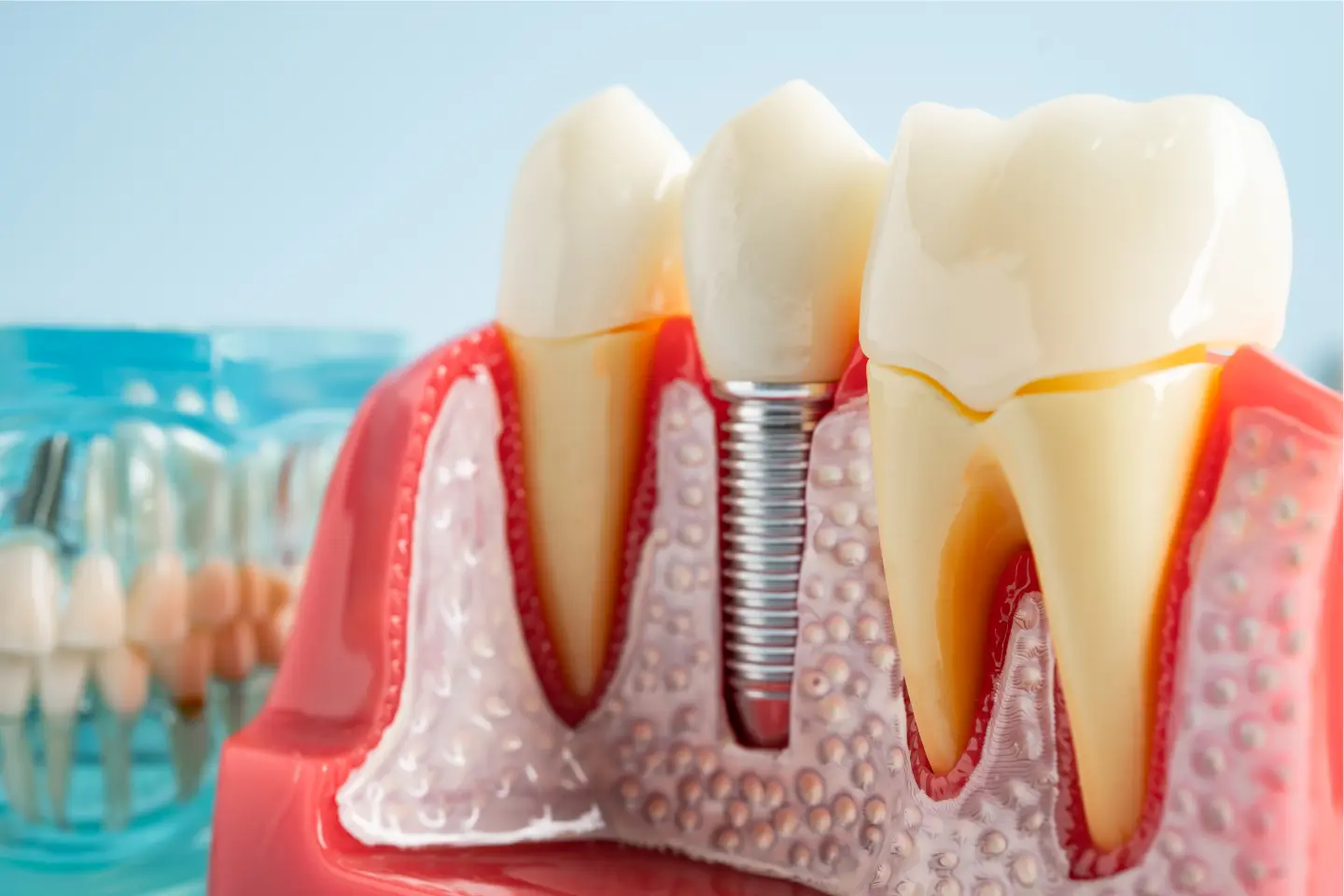
Gums naturally recede a little with age, and this process can speed up with years of brushing (particularly if it's been a touch too vigorous over the decades) or with a history of gum disease. When gums pull back, they expose the root surface, which doesn't have the same enamel protection as the crown of the tooth. This exposed area, called dentine, is far more reactive to temperature and pressure.
Dentine Changes Beneath the Surface
Underneath the enamel and gum tissue is dentine, a layer filled with tiny tubules that lead directly to the nerve of the tooth. As we age, these tubules can become more exposed due to enamel wear or gum recession, letting hot, cold, sweet, or acidic stimuli reach the nerve more easily. This is a central part of the clinical picture behind ageing teeth and sensitivity.
Years of Wear and Tear Add Up
Cracks, old fillings, and general wear accumulate over time. Small enamel cracks that wouldn't have caused any issues in your thirties might start to let temperature through in your fifties or sixties. Older fillings wear at the edges too, creating small gaps where sensitivity can develop.
Other Contributing Factors
Teeth grinding, acid erosion from diet, and past dental treatments can all play a part. Even conditions like dry mouth, which becomes more common with certain medications taken later in life, can reduce the natural protective effect of saliva. That makes sensitivity more noticeable, not less.
Tooth Sensitivity Treatment Options Worth Knowing About
Here's the thing: sensitivity is very manageable in most cases, and treatment doesn't have to be complicated. Options generally depend on the underlying cause, and a dentist can help identify which approach suits your situation.
- Desensitising toothpaste, used consistently, can reduce sensitivity for many people over a few weeks.
- Fluoride varnish applied in-practice can strengthen enamel and reduce nerve reactivity.
- Dental bonding can cover exposed root surfaces where gum recession has occurred.
- Gum grafting. Sometimes suggested in more advanced cases of recession.
- Addressing grinding habits, sometimes with a custom night guard, can prevent further enamel wear.
- Reviewing diet and acidic drink consumption can slow further erosion.
Because sensitivity can stem from several different causes at once, a proper assessment is genuinely useful. Reaching for a random sensitivity toothpaste and hoping for the best? That's easier said than done, and it rarely gets to the root of things.
When It's Worth Getting Checked
Occasional mild sensitivity is common and not automatically a sign of anything serious. Still, it's worth booking an appointment if sensitivity is getting worse, lingers for a long time after eating or drinking, is limited to one specific tooth, or shows up as pain when biting down. These patterns can sometimes point to issues like a cracked tooth or decay that need attention beyond general sensitivity management.
Ready to Get Started?
If sensitivity has been quietly changing the way you eat, drink, or even brush your teeth, it's worth having it looked at properly rather than working around it indefinitely. Our team at Willerby Dental Care has a special interest in helping people manage the natural changes that come with ageing teeth, and we take the time to work out what's actually causing your discomfort before recommending anything. Get in touch with our dentist in Willerby, England, to arrange a check-up and talk through options that suit your day-to-day life, not just your teeth.
FAQs
Q: Why have my teeth suddenly become sensitive after years of no problems?
A: Sensitivity can develop gradually even if it feels sudden, often down to gum recession, enamel thinning, or a new crack that's finally reached a point where it's noticeable. A dental check-up can help pinpoint the cause.
Q: Is tooth sensitivity a normal part of getting older?
A: It's common, particularly due to natural enamel wear and gum changes over time. But it isn't something you simply have to accept without support. Several treatment options can help manage it.
Q: Can diet really affect tooth sensitivity?
A: Yes. Acidic foods and drinks can gradually wear away enamel, making sensitivity more likely. Cutting back on frequent exposure to acidic items can help slow this process.
Q: How long does it take for desensitising toothpaste to work?
A: Most people notice a difference within two to four weeks of consistent use, though this varies depending on what's causing the sensitivity in the first place.
Q: Should I see a dentist even if my sensitivity is mild?
A: Mention it at your next routine check-up, especially if it's new. The cause can be identified early, before it potentially develops further.
Still have questions?
Stay updated with dental
wellness tips


.jpeg)
.jpeg)








.webp)
.png)