



.svg)

What to Expect After a Tooth Extraction: Recovery, Aftercare & Healing
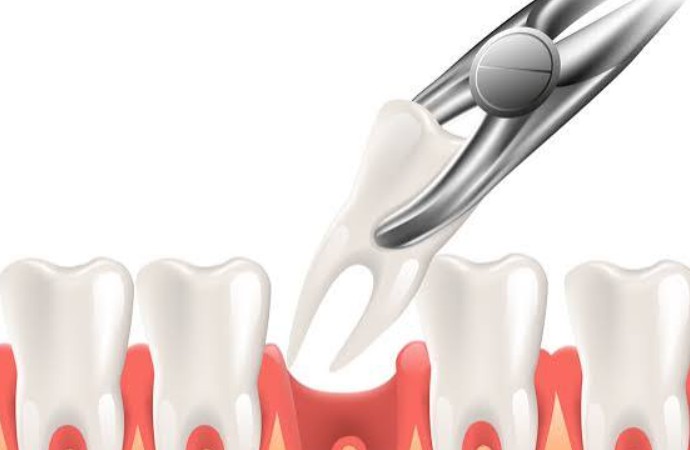
Having a tooth removed is a fairly common procedure, but that does not make the first few days afterwards feel any less unfamiliar. Between the swelling, the dietary changes, and the general uncertainty about what counts as normal, it is easy to feel a bit lost once you get home. At Willerby Dental Care, patients often ask the same handful of questions in the days following a tooth extraction, so this guide pulls together the most useful information about recovery, aftercare, and healing in one place. Whether you have just had the procedure done or are preparing for one soon, knowing what to expect can make the whole process feel far more manageable.
What Happens in the First 24 Hours After a Tooth Extraction
The first day tends to be the most noticeable in terms of discomfort, and that is entirely expected. A blood clot forms in the socket almost immediately, and protecting that clot is one of the most important parts of early recovery. Your dentist will usually ask you to bite gently on gauze for a short period straight after the procedure to help this clot settle properly.
Some swelling, mild bleeding, and tenderness around the jaw are all typical during this window. Applying a cold compress to the outside of the cheek in short intervals can help keep swelling manageable. It is generally sensible to rest for the remainder of the day, avoid strenuous activity, and steer clear of hot drinks, alcohol, and smoking, since these can all interfere with the healing process at this early stage.
How Long Does Recovery Take After Tooth Extraction
Recovery timelines vary from person to person, depending on factors such as the position of the tooth, whether it was impacted, and individual healing rates. Many people notice a significant improvement within three to four days, with most day to day discomfort settling by the end of the first week. Deeper healing within the socket, however, tends to continue for a few weeks after that.
If the extraction involved a wisdom tooth or a more complex removal, recovery may take a little longer, and some residual tenderness for a week or two is not unusual. Patients at Willerby Dental Care are given tailored guidance based on their specific procedure, since recovery for a straightforward extraction can look quite different from a surgical one.
What Is the Best Aftercare Routine Following a Tooth Extraction
Good aftercare plays a meaningful role in how smoothly healing goes. For the first 24 hours, it is best to avoid rinsing the mouth altogether, as this can dislodge the clot that is forming. From the second day onwards, gently rinsing with warm salt water after meals can help keep the area clean without disturbing the healing tissue.
Sticking to soft foods such as soup, mashed potato, and yoghurt for the first couple of days tends to make eating far more comfortable. Chewing on the opposite side of the mouth, avoiding crunchy or hard foods, and steering clear of straws are all sensible habits during early recovery, since the suction from a straw can dislodge the clot and lead to a painful complication known as dry socket. Brushing the rest of your teeth as normal is fine, just take care around the extraction site itself.
What Are the Signs of a Healthy Healing Tooth Extraction Site
It can be reassuring to know what normal healing actually looks like. Some swelling and mild discomfort in the first few days is expected, and this should gradually ease rather than worsen. A small amount of blood tinged saliva in the first 24 hours is also common and usually settles quickly.
Signs that things are progressing well include reduced swelling day by day, manageable discomfort that responds to over-the-counter pain relief, and the gradual return of normal eating and speaking. If pain seems to be getting worse rather than better after the first few days, or if you notice a persistent bad taste, unusual swelling, or a fever, it is worth getting in touch with your dental practice promptly rather than waiting it out.
How Can You Avoid Complications During Recovery
Most extractions heal without any issues, but a few simple habits can help lower the chance of complications. Avoiding smoking for at least a few days is one of the more important steps, since it can significantly slow healing and increase the risk of infection. Keeping up with any follow up appointments your dentist recommends is another useful way to make sure the site is healing as expected.
Gentle oral hygiene, avoiding vigorous rinsing or spitting in the first day, and following any specific instructions given after your particular procedure all contribute to a smoother recovery. If you have any doubts about whether something you are experiencing is normal, reaching out to your dental team is always a sensible option rather than guessing.
Book a Consultation at Willerby Dental Care
Recovering from a tooth extraction does not need to be a confusing or worrying experience once you know what to expect. From the first 24 hours through to full healing over the following weeks, following sensible aftercare and paying attention to how your body responds can make a real difference. The team at Willerby Dental Care is always happy to talk through any concerns before or after a procedure, offering tailored advice based on your individual case. If you have questions about an upcoming extraction or are currently recovering from one, get in touch with Willerby Dental Care to book a consultation and get guidance suited to your situation.
Frequently Asked Questions About Tooth Extraction Recovery
Q: How long does it take for a tooth extraction to heal completely?
A: Surface healing often takes around one to two weeks, though the bone and tissue beneath the gum can continue to heal for several weeks afterwards. Individual timelines vary depending on the complexity of the extraction.
Q: What can I eat after a tooth extraction?
A: Soft foods such as soup, mashed vegetables, and yoghurt tend to be easiest in the first couple of days. It is best to avoid hard, crunchy, or very hot foods until the area feels more settled.
Q: Is it normal to have swelling after a tooth extraction?
A: Yes, some swelling in the first few days is a typical part of the healing process. It usually peaks around day two or three before gradually reducing.
Q: What is dry socket and how can I prevent it?
A: Dry socket occurs when the blood clot at the extraction site becomes dislodged too early, which can cause increased discomfort. Avoiding straws, smoking, and vigorous rinsing in the days following the procedure can help reduce the risk.
Q: When can I go back to my normal routine after a tooth extraction?
A: Many people feel comfortable returning to light daily activities within a day or two, though it is generally advised to avoid strenuous exercise for a few days while the clot stabilises.
Q: Should I be worried if I still have some discomfort after a week?
A: Mild lingering discomfort at the one week mark is not unusual, particularly after a more involved extraction. If pain is worsening rather than improving, it is worth contacting your dental practice to have it checked.
Still have questions?
Stay updated with dental
wellness tips






.jpeg)
.jpeg)











.webp)
.png)