



.svg)

When Do You Need a Dental Crown? 6 Situations Where It Can Help
Hearing that you might need a dental crown often raises more questions than it answers, mainly because the term gets used for such a wide range of situations. Some patients need one after a root canal, others because of a cracked tooth, and some simply to improve the appearance of a tooth that has become discoloured or worn down. At Willerby Dental Care, patients often want to understand why a crown is being suggested before agreeing to go ahead, which is a completely reasonable thing to want to know. This guide walks through six of the more common situations where a dental crown tends to come up, along with what the process generally looks like once it has been recommended.
Why Would a Dentist Recommend a Dental Crown
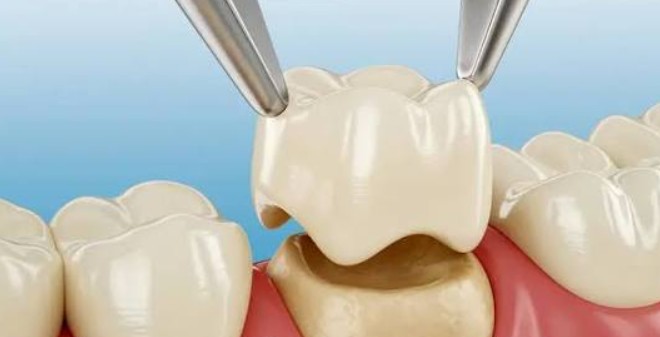
A dental crown is essentially a custom-made cap that fits over a tooth, restoring its shape, strength, and appearance. Dentists tend to recommend one when a tooth has been weakened or damaged to the point where a filling alone would not provide enough support. Rather than being a treatment used for one specific problem, a crown is really more of a tool that gets applied across several different dental situations, which is why the reasons behind it can vary so much from one patient to the next.
1. You Have a Large Cavity That a Filling Cannot Support
When decay has spread too far into a tooth, there may not be enough healthy structure left for a standard filling to hold properly. In these cases, a crown provides the extra coverage and strength needed to protect what remains of the tooth, allowing it to function normally again rather than risking further breakdown.
2. Your Tooth Is Cracked or Fractured
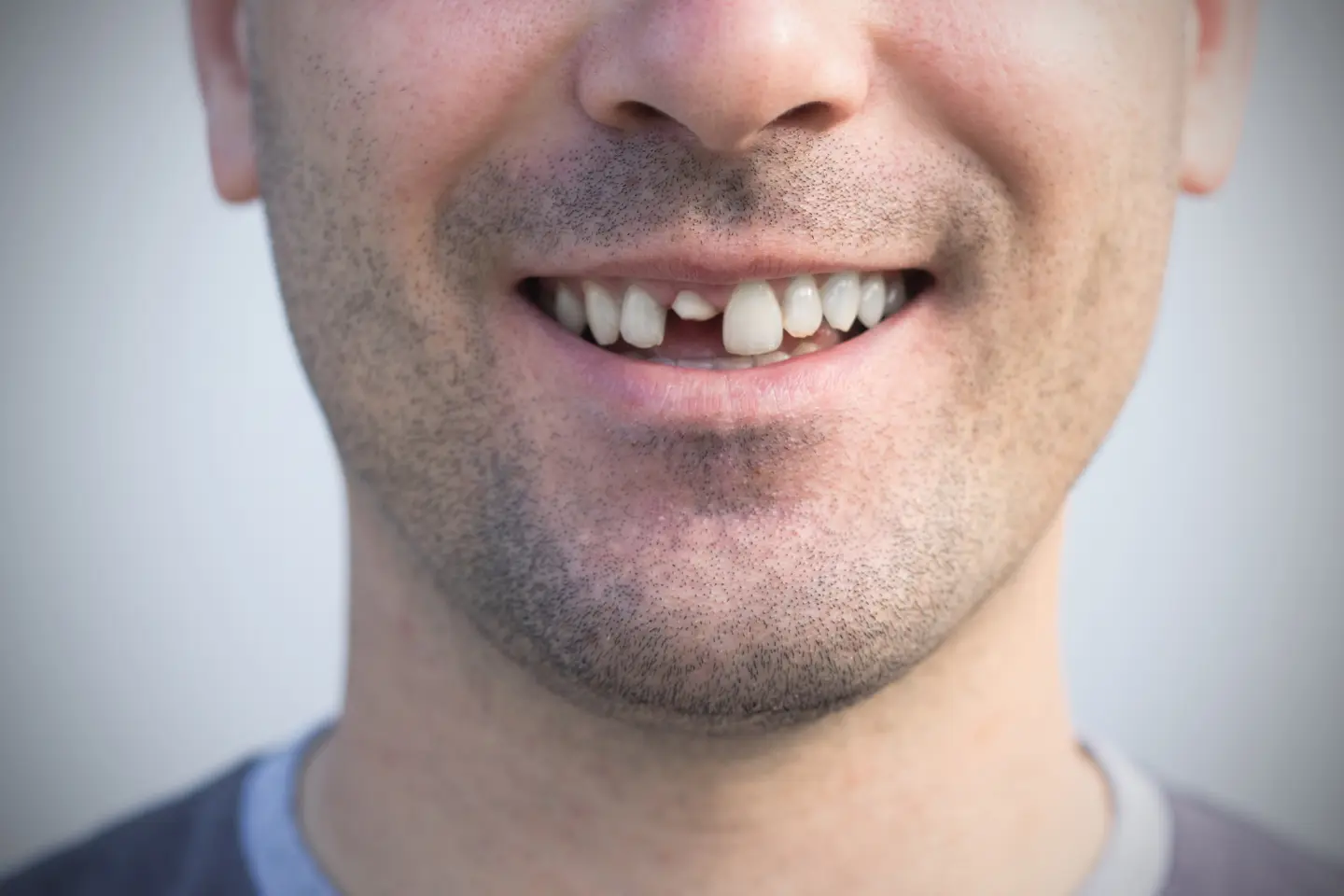
A cracked tooth can be uncomfortable and, depending on the extent of the damage, may worsen over time if left untreated. A crown works by covering the entire visible portion of the tooth, holding the structure together and reducing the pressure placed directly on the crack whenever you bite down.
3. You Have Recently Had a Root Canal
Root canal treatment removes the infected or damaged pulp from inside a tooth, but this process can leave the tooth more brittle than it was before. A crown is often placed afterwards to protect the tooth from fracturing under normal biting forces, which is one of the more frequent reasons crowns get recommended.
4. You Are Getting a Dental Implant or Bridge
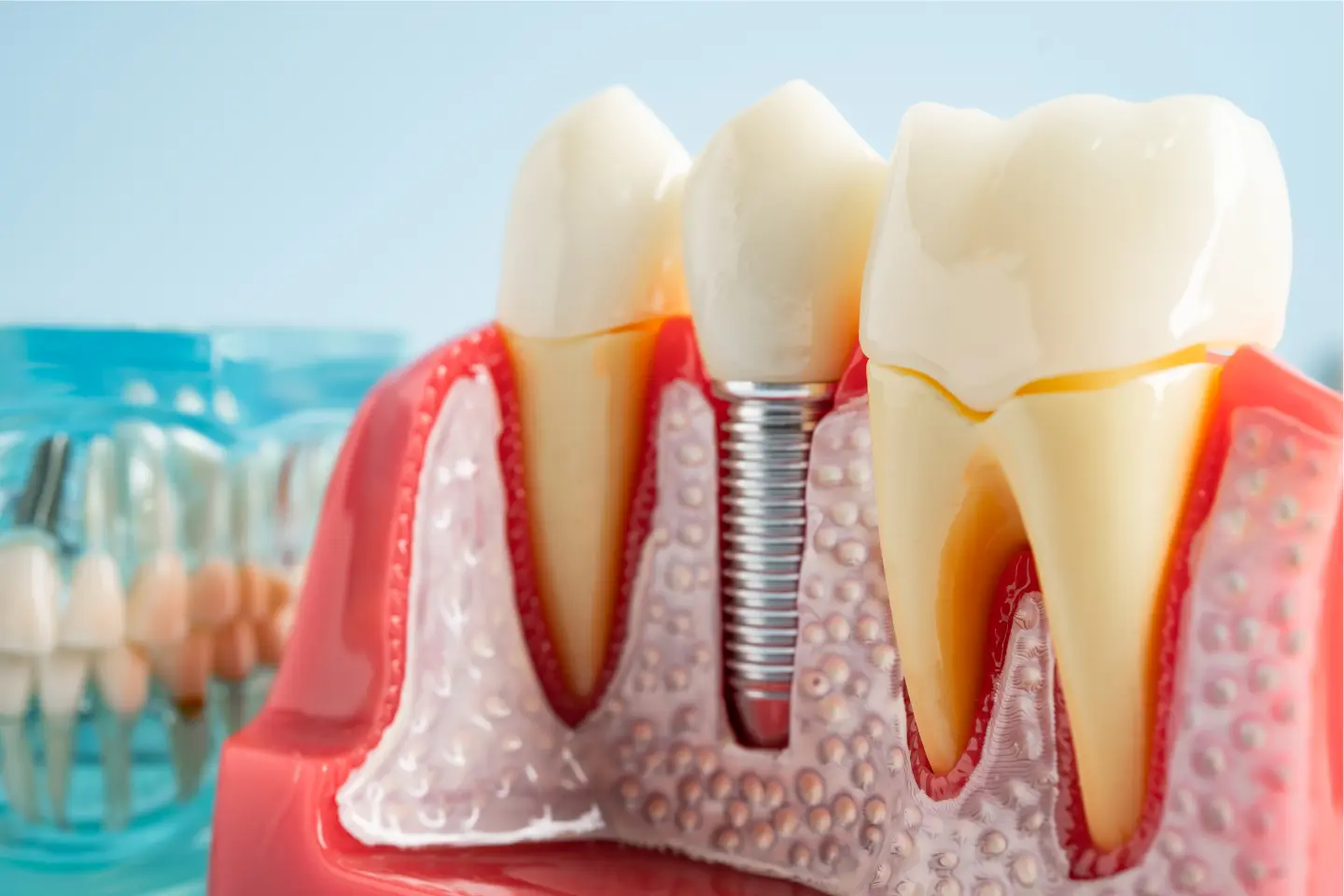
Crowns also play a supporting role in tooth replacement. When a dental implant is placed, a crown is typically attached on top to recreate the look and function of a natural tooth. Crowns are also used to anchor a dental bridge, helping replace one or more missing teeth by relying on the crowned teeth for support.
5. Your Tooth Is Significantly Worn Down or Discoloured
Sometimes the reason for a crown is less about active damage and more about restoring how a tooth looks and functions. Teeth that have worn down considerably over the years, whether from grinding or general wear, can benefit from the added structure a crown provides. Similarly, a tooth that has become significantly discoloured and does not respond well to whitening may be a candidate for a crown to improve its appearance alongside its function.
6. You Have a Misshapen or Unusually Small Tooth
Some teeth develop slightly unusual shapes or sizes naturally, which can affect both appearance and how well they work alongside neighbouring teeth. A crown can be shaped to blend in with the rest of the smile, addressing both the cosmetic and functional side of the issue at the same time.
What Happens During the Dental Crown Procedure
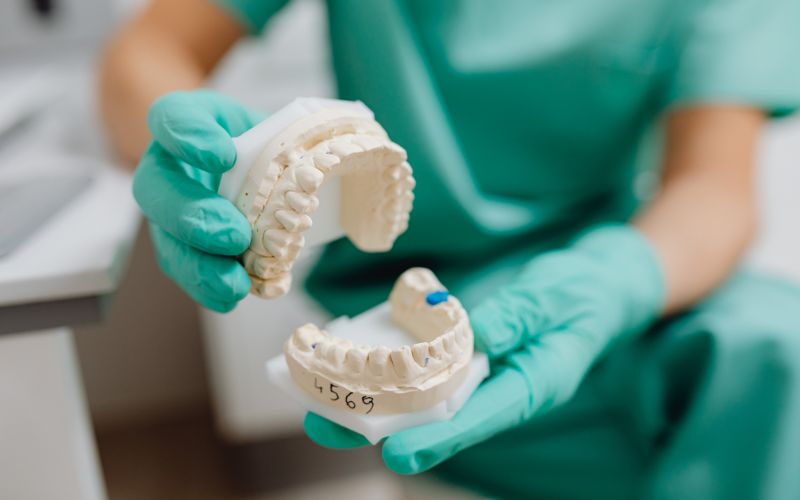
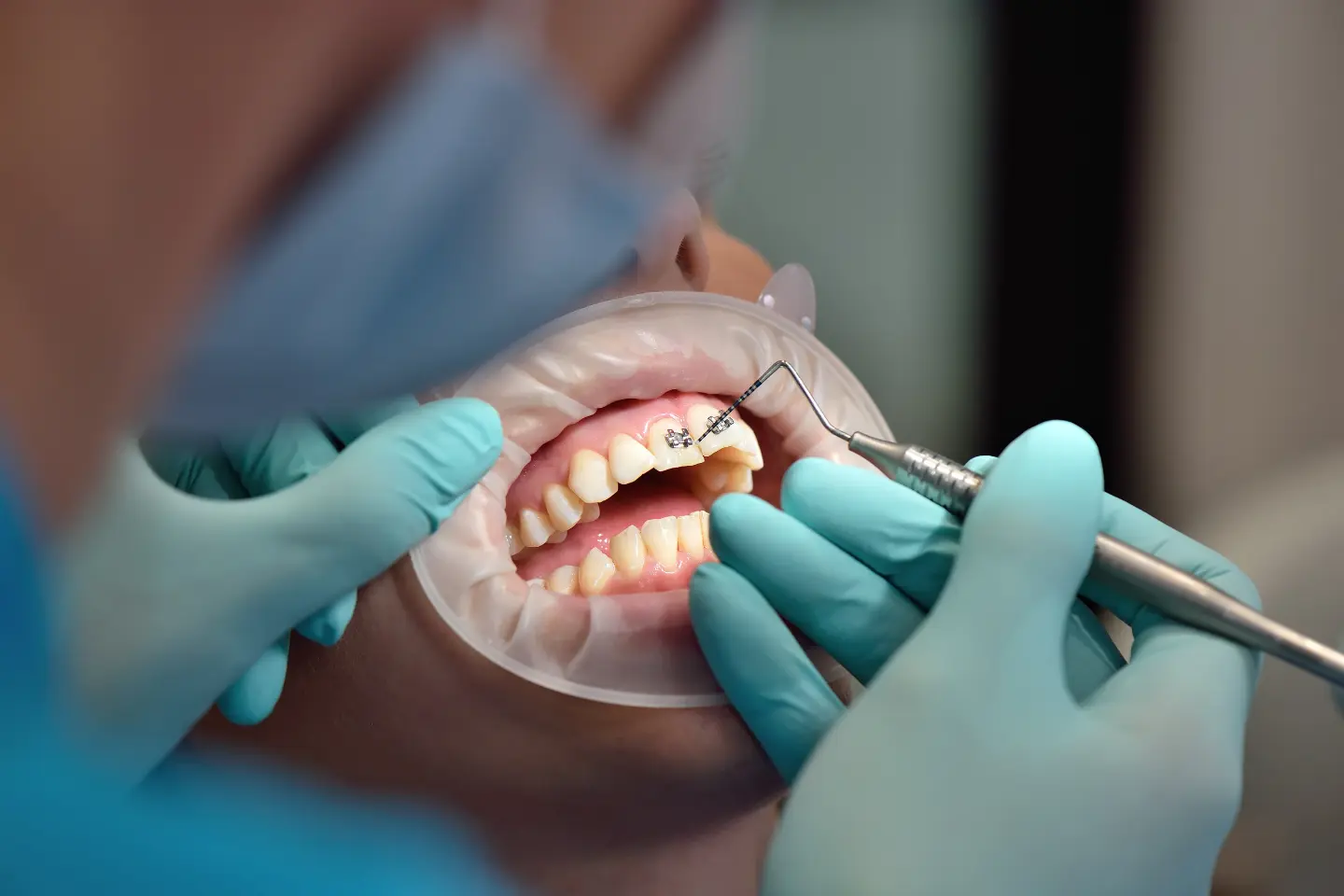
Regardless of which of these situations applies, the general process tends to follow a similar pattern. The tooth is first examined, often with an X-ray, to check the surrounding bone and root structure. The area is then numbed, and the tooth is reshaped slightly to make room for the crown to fit properly. An impression or digital scan is taken and sent off to a dental lab, where the crown is custom-made to match the shape and colour of your surrounding teeth.
While the permanent crown is being made, a temporary crown is usually fitted to protect the tooth in the meantime. Once the permanent crown is ready, typically within one to two weeks, it is checked for fit and bite alignment before being cemented into place.
How Long Does a Dental Crown Typically Last
With reasonably good oral hygiene and regular checkups, many crowns hold up well for a decade or longer. How long any individual crown lasts can depend on a few factors, including the material used, your bite habits, and whether you grind or clench your teeth. Routine dental visits give your dentist a chance to keep an eye on how the crown is holding up over time and address any concerns early.
Book a Dental Crown Consultation at Willerby Dental Care
If any of these six situations sound familiar, or your dentist has already mentioned a crown as a possibility, it can help to understand the reasoning behind the recommendation before your appointment. From protecting a weakened tooth to supporting an implant or improving the way a tooth looks, crowns are used across a fairly broad range of dental situations rather than just one narrow purpose. The team at Willerby Dental Care is happy to talk through your specific case, explain the reasoning clearly, and answer any questions you have about the process. If you think you might need a dental crown, get in touch with Willerby Dental Care to book a consultation and find out what makes sense for your smile.
Frequently Asked Questions About Dental Crowns
Q: Is getting a dental crown a painful procedure?
A: Most patients feel little to no pain during the procedure, since the area is numbed with local anaesthetic beforehand. Some mild sensitivity afterwards is common and usually settles within a few days.
Q: How do I know if I need a filling or a crown?
A: This generally comes down to how much healthy tooth structure remains. A dentist can assess this during an exam, often with the help of an X-ray, to determine which option is more suitable.
Q: Can a dental crown be matched to the colour of my other teeth?
A: Yes, crowns are custom-made to match the shape and shade of your surrounding teeth as closely as possible, so the result tends to blend in naturally with your smile.
Q: What is the difference between a temporary and a permanent crown?
A: A temporary crown protects the tooth while the permanent one is being made at a dental lab, usually over one to two weeks. The permanent crown is more durable and is designed to be a longer-term solution.
Q: Does dental insurance usually cover the cost of a crown?
A: Coverage varies depending on your specific plan, particularly when the crown is considered medically necessary rather than purely cosmetic. It is worth checking directly with your provider or the practice to confirm your benefits.
Q: How should I care for my tooth after getting a crown?
A: Regular brushing, flossing, and routine dental checkups are generally all that is needed. Avoiding excessive force from grinding or chewing very hard foods can also help the crown last longer over time.
Still have questions?
Stay updated with dental
wellness tips






.jpeg)
.jpeg)










.webp)
.png)