



.svg)

Composite Bonding vs Porcelain Veneers: Which Is the Right Fix for You?
Composite Bonding vs Porcelain Veneers: Which Is the Right Fix for You?
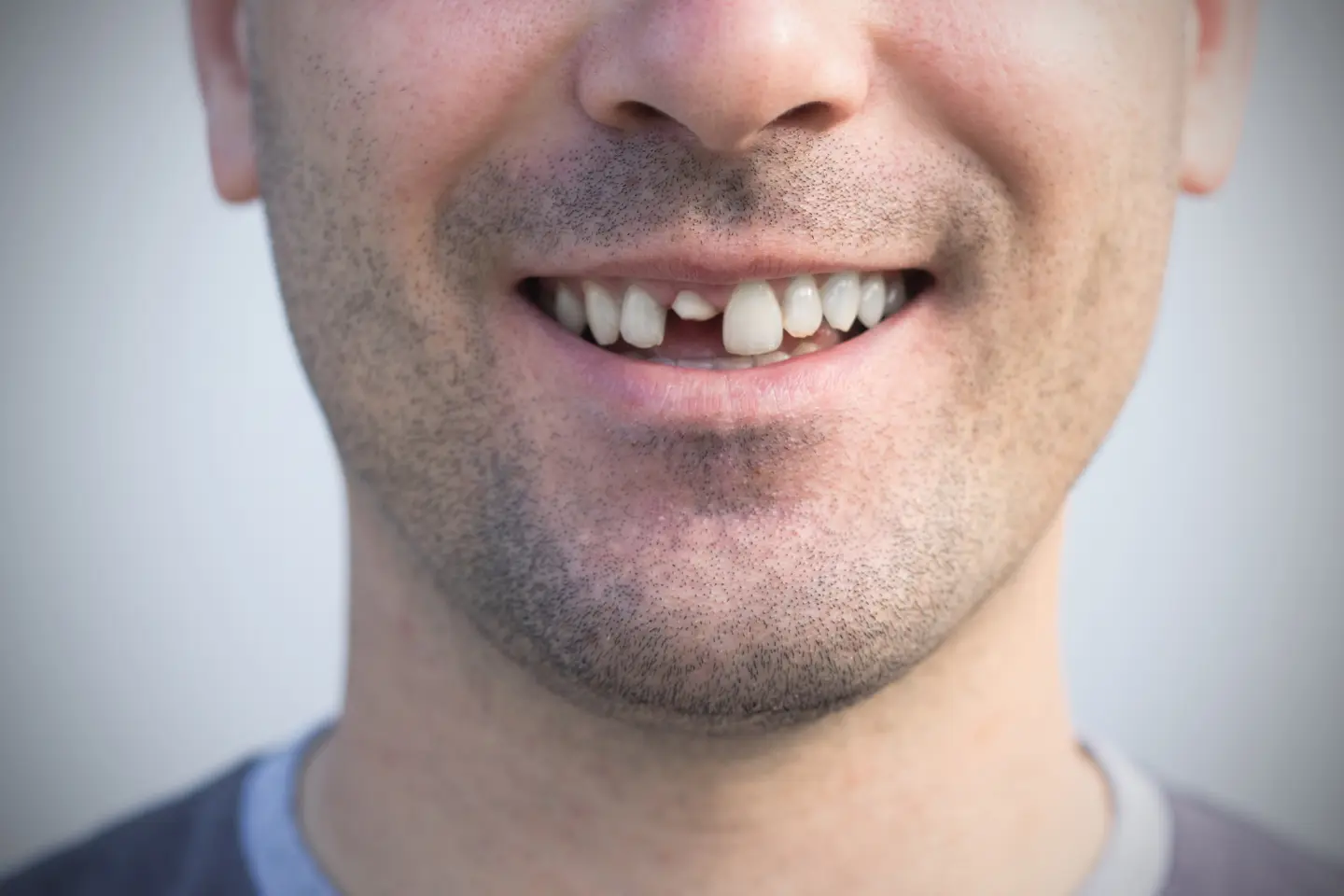
When looking to enhance the appearance of your smile, it is easy to feel overwhelmed by the variety of cosmetic treatments available. Two of the most popular and effective solutions for addressing imperfections—such as chipped edges, persistent discolouration, or minor gaps—are composite bonding and porcelain veneers.
While both treatments achieve excellent, natural-looking results, they utilise completely different dental materials and clinical techniques.
Willerby Dental Care, we believe in helping our patients make informed choices that protect their oral health while achieving their aesthetic goals. If you are wondering which option is the right investment for your smile, here is a straightforward comparison of how they work, how they differ, and what to consider.
Understanding the Two Procedures
To determine which treatment fits your lifestyle and clinical needs, it helps to look at the practical differences in how each procedure is performed.
What Is Composite Bonding?
Composite bonding is a highly conservative, direct cosmetic treatment. Your dentist uses a pliable, tooth-coloured composite resin—the same high-grade material used for modern white fillings—and applies it directly to the surface of your tooth.
The resin is meticulously sculpted by hand to repair chips, lengthen short teeth, or close gaps. Once the ideal shape is achieved, a specialised light cures and hardens the material, which is then polished to match the natural sheen of your enamel. The entire process is completed chairside in a single visit.
What Is a Porcelain Veneer?
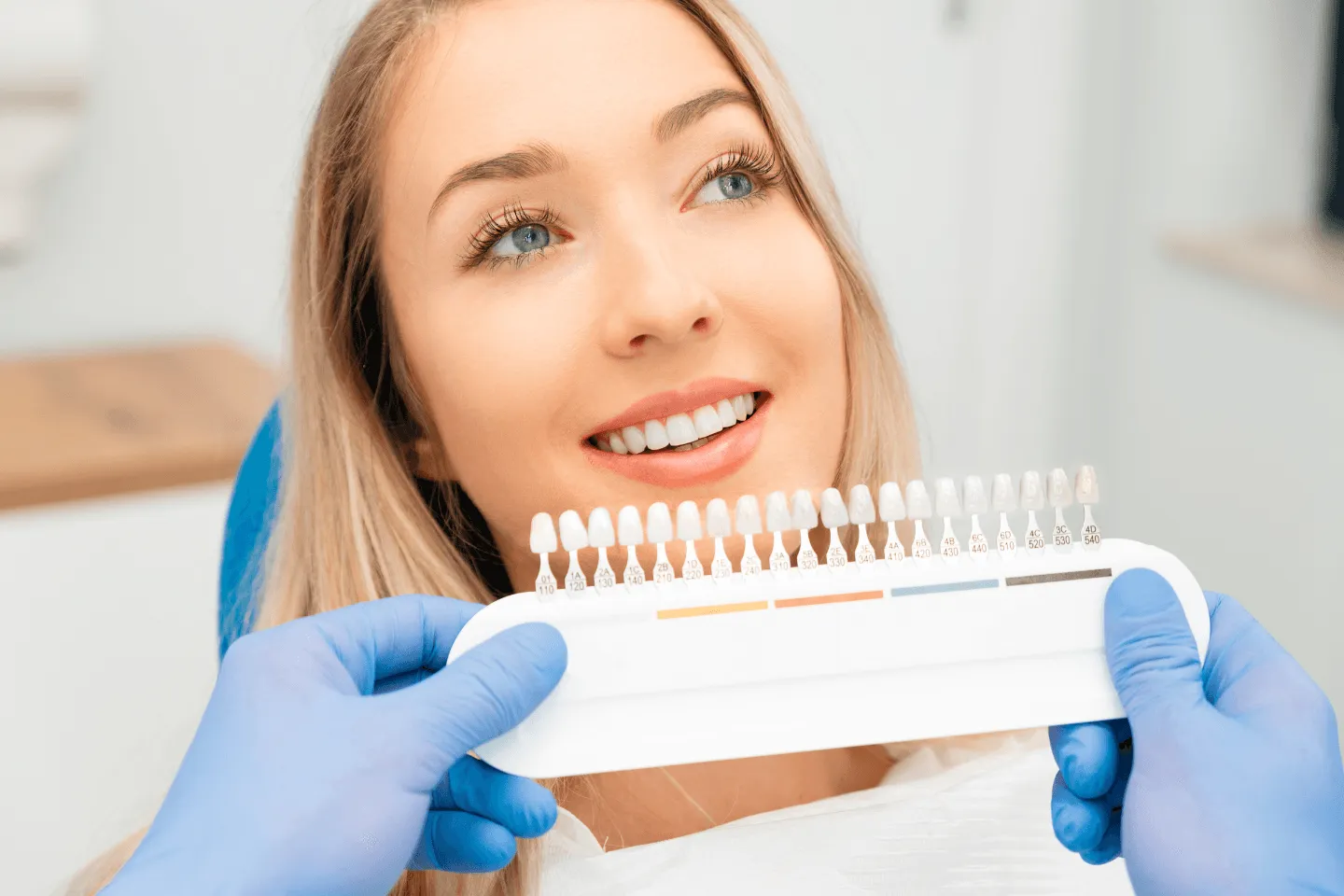
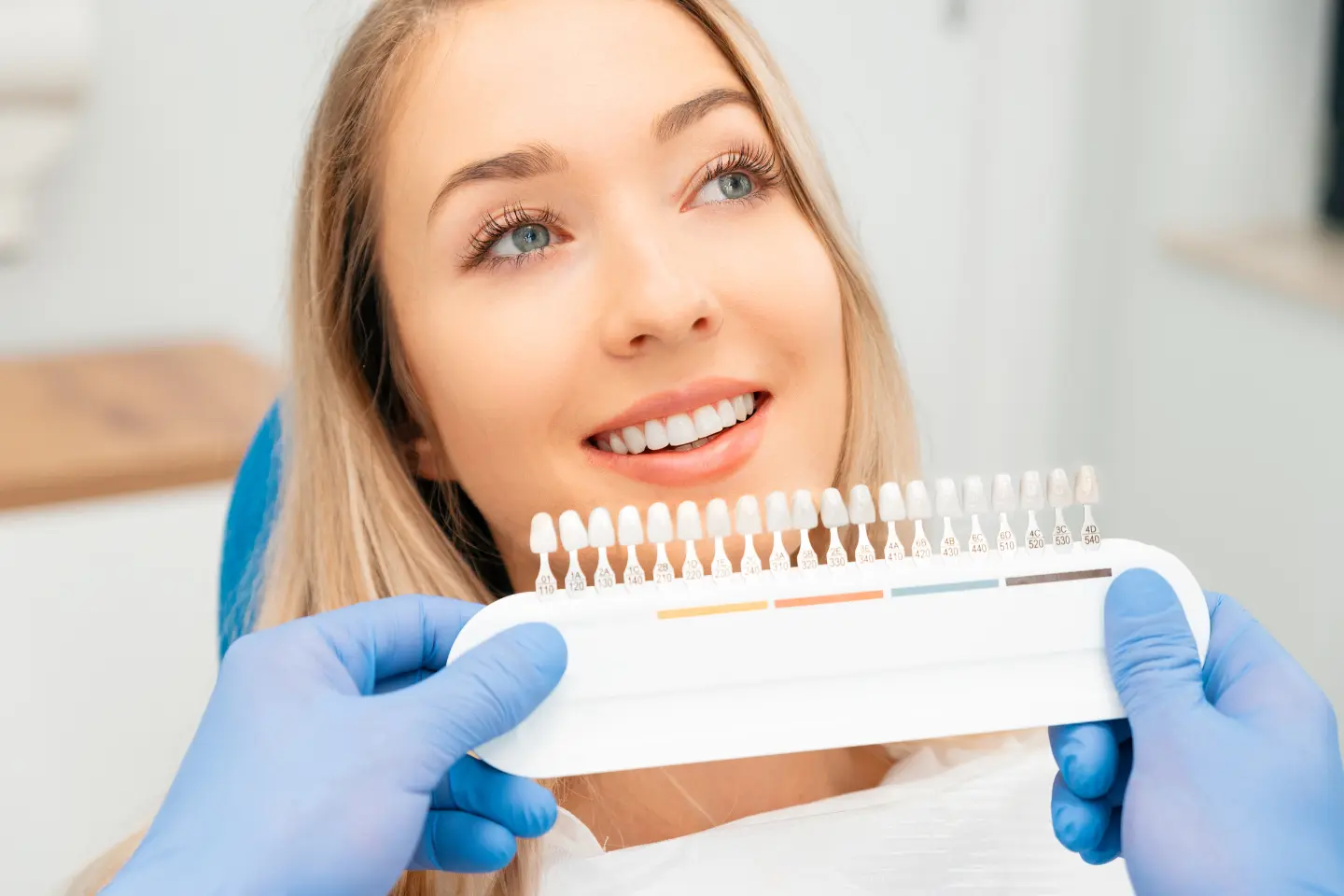
A porcelain veneer is an indirect restoration, meaning it is custom-crafted outside the mouth. A veneer is an ultra-thin, bespoke shell of high-grade dental ceramic that is permanently bonded to the front surface of a tooth.
This procedure typically requires two appointments. During the first visit, the tooth is subtly prepared, and a highly accurate digital impression or mould is taken. This information is sent to a specialised dental laboratory where a technician crafts the veneer to match your exact facial geometry. At the second visit, the veneer is securely fitted and bonded in place.
Key Differences in Material and Application
Understanding how these options compare across key features can help clarify which method suits your long-term goals:
- Appointments Required: Composite bonding is typically finished in a single visit, as the material is sculpted directly in the chair. Porcelain veneers usually require two appointments spaced one to two weeks apart to allow for precision laboratory manufacturing.
- Tooth Preparation: Bonding requires little to no enamel removal, leaving your natural tooth structure completely intact. Veneers usually require a microscopic layer of enamel to be reshaped from the front surface so the ceramic shell sits completely flat.
- Stain Resistance: High-grade dental porcelain is highly stain-resistant and maintains its brilliance against coffee, tea, and red wine. Composite resin, while durable, is more porous and can pick up surface discolouration over time.
- Expected Lifespan: Composite bonding generally lasts between five and seven years before requiring refreshing or replacement. Porcelain veneers are exceptionally long-lasting, typically serving for ten to fifteen years with proper care.
- Reversibility: Because bonding requires virtually no structural alteration to the tooth, it is completely reversible. Veneers involve slight enamel reshaping, meaning that the tooth will always require a restoration to protect it in the future.
Key Factors to Consider Before Choosing
When deciding between these two excellent treatments, several practical factors will influence your final treatment plan:
1. Longevity and Durability
Porcelain is a remarkably strong, glass-like ceramic. It stands up exceptionally well to daily biting forces and resists structural wear over many years. Composite resin is a durable material, but it is softer than ceramic. It will experience standard wear and tear more quickly and can chip under high stress, meaning it will require more frequent maintenance or minor touch-ups.
2. Conservation of Natural Enamel
If protecting your natural tooth structure is your absolute priority, composite bonding is often the preferred path. It requires virtually no drilling, keeping your enamel completely intact. Porcelain veneers usually require a microscopic layer of enamel to be reshaped from the front of the tooth to ensure the ceramic shell sits flush and does not look bulky.
3. Time and Convenience
For patients seeking immediate results—perhaps ahead of an upcoming social event or professional engagement—composite bonding can transform a smile line in a single afternoon. Porcelain veneers require a patient period of one to two weeks while the laboratory hand-crafts the restorations, though the final result offers unparalleled depth and stability.
Maintain Your Investment for the Long Term
Whichever option you choose, the lifespan of your cosmetic restorations relies heavily on consistent aftercare:
- Commit to Excellent Hygiene: Daily brushing with a soft-bristled brush and regular interdental flossing prevent plaque from accumulating around the margins of your restorations, protecting the underlying tooth tissue.
- Avoid Unnecessary Force: Never use your front teeth to bite into hard plastic packaging, rip tags, or crunch on ice cubes, as extreme twisting forces can chip both composite resin and porcelain ceramic.
- Protect Your Bite at Night: If you have a habit of clenching or grinding your teeth during sleep, our team can provide a slim, custom nightguard to cushion the forces and prevent premature damage to your new smile line.
Book a Cosmetic Consultation at Willerby Dental Care
The ideal treatment depends entirely on the specific flaws you wish to correct, the current health of your enamel, and your long-term expectations. Our experienced clinical team is here to fully assess your bite and guide you safely toward the right option for your individual smile.
Contact Willerby Dental Care today to schedule your comprehensive cosmetic consultation. We will provide a completely transparent, written breakdown of your options, ensuring your treatment supports your health and confidence for years to come.
FAQs
Q: Can I whiten my teeth after getting composite bonding or porcelain veneers?
A: Professional teeth whitening gels only change the shade of natural dental enamel; they have absolutely no effect on composite resin or dental ceramic. If you wish to brighten your overall smile baseline, we always recommend completing a professional whitening treatment first. Once your natural teeth reach your desired shade, we can perfectly match the colour of your bonding or veneers to create a seamless finish.
Q: Is the enamel preparation for porcelain veneers painful?
A: Not at all. The amount of enamel reshaped for a modern porcelain veneer is incredibly minimal—often less than the thickness of a fingernail. Because the preparation stays entirely within the outer, non-living layer of enamel, the process is very comfortable. We also use precise local numbing techniques during the appointment to ensure you remain completely relaxed throughout.
Q: What happens if a composite bonding restoration chips in the future?
A: One of the greatest advantages of composite bonding is that it is highly repairable. If you accidentally chip or scratch the resin after a few years of wear, it does not usually need to be entirely replaced. Your dentist can frequently add a small amount of fresh composite material directly to the existing restoration and polish it smooth in a single, short visit.
Q: Are porcelain veneers suitable for straightening severely crowded teeth?
A: Porcelain veneers are excellent for correcting minor misalignments, often referred to as instant orthodontics. However, if teeth are severely crowded, rotated, or out of position, forcing a veneer onto the tooth would require removing far too much healthy enamel. In these complex cases, we will generally advise a short course of discreet, clear braces to safely align the teeth first before addressing any remaining surface flaws.
Still have questions?
Stay updated with dental
wellness tips





.jpeg)
.jpeg)






.webp)
.png)