



.svg)

How to Replace Missing Teeth Without Dentures: Your Options Explained
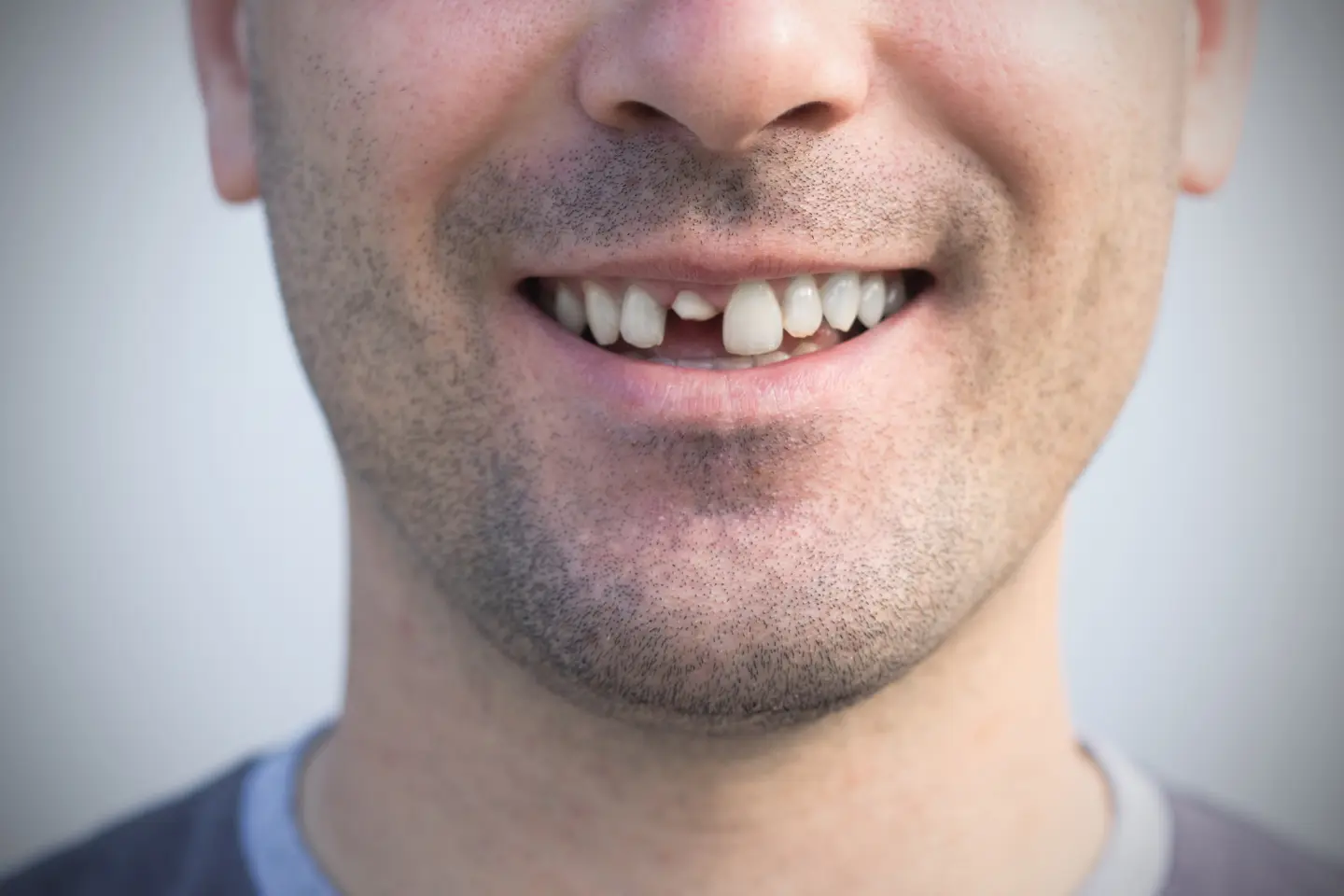
Losing a tooth, whether through decay, injury, or extraction, often brings up the same question fairly quickly. What are the options besides dentures? While dentures have been a long-standing solution for missing teeth, they are not the only route, and plenty of patients prefer something that feels more fixed or permanent in the mouth. At Willerby Dental Care, this is one of the most common conversations patients have during a consultation, particularly when a single tooth or a small gap is involved rather than needing a full set of replacement teeth. This guide walks through the main alternatives to dentures, how each one works, and what tends to influence which option suits a particular situation.
Why Might Someone Look for Alternatives to Dentures
Dentures can be a practical and well-established solution, but they are not always the preferred choice for every patient. Some people find removable dentures less comfortable than a fixed option, particularly when it comes to eating certain foods or speaking confidently. Others simply prefer a solution that stays in place permanently rather than one that needs to be taken out at night for cleaning.
For patients missing just one or two teeth, a full or partial denture can also feel like more than what the situation calls for. In these cases, more targeted options such as dental implants or bridges are often worth exploring, since they are designed to replace specific missing teeth without affecting the rest of the mouth in the same way dentures do.
What Are Dental Implants and How Do They Work
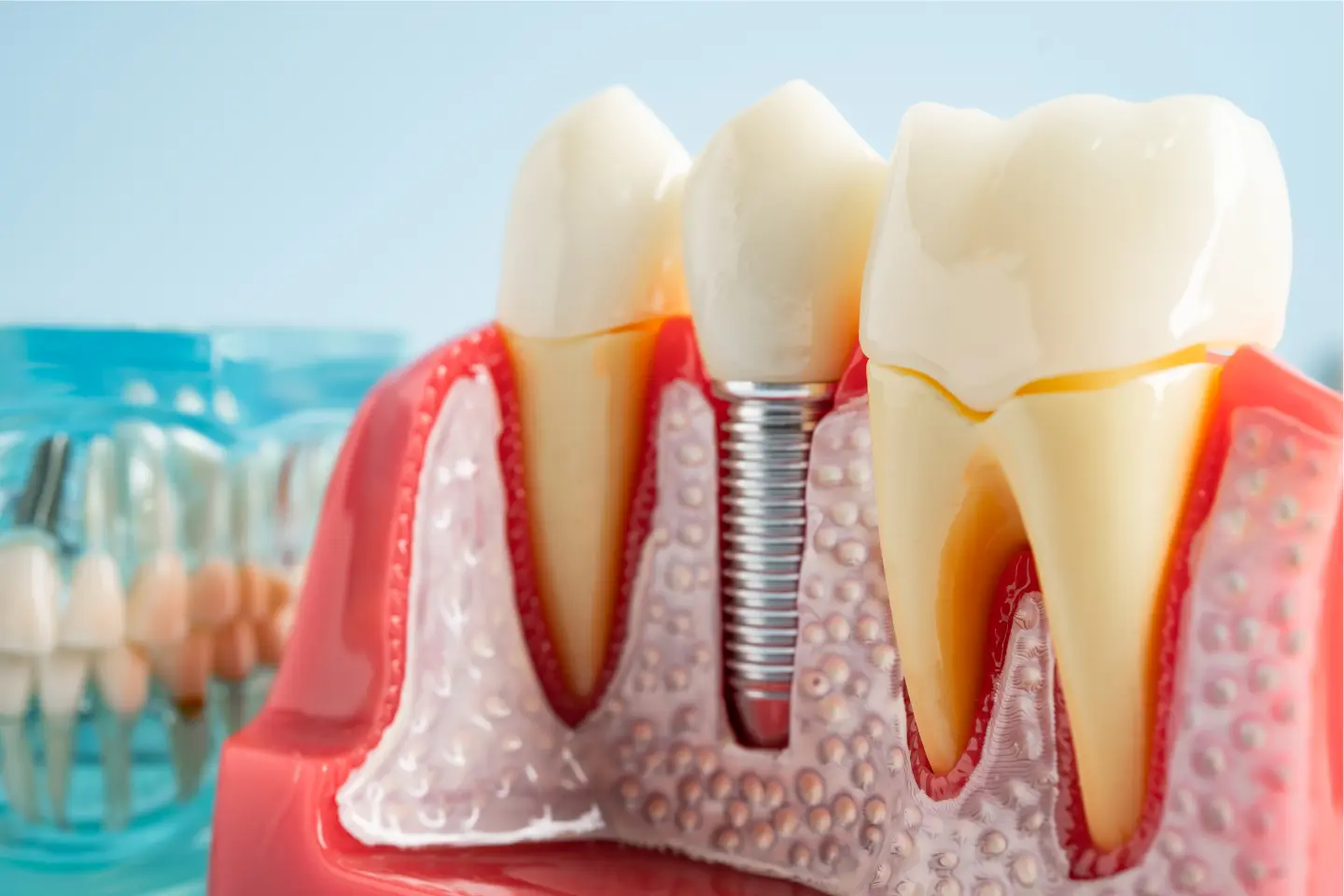
Dental implants are widely considered one of the more durable ways to replace a missing tooth. The process involves placing a small titanium post into the jawbone, which acts as an artificial tooth root. Over a period of months, the bone gradually fuses around the implant in a process called osseointegration, creating a stable foundation. Once healing is complete, a custom crown is attached on top, designed to match the shape and colour of the surrounding teeth.
Because implants are anchored directly into the jawbone, they tend to feel and function closely to a natural tooth, allowing for normal chewing and speaking without the same limitations some people associate with removable options. Implants also help maintain the jawbone in the area of the missing tooth, since the bone continues to receive stimulation much like it would from a natural tooth root. That said, implants do require sufficient bone density and generally involve a longer treatment timeline compared with some other options, so a dentist will need to assess suitability on a case-by-case basis.
How Does a Dental Bridge Compare to Dentures
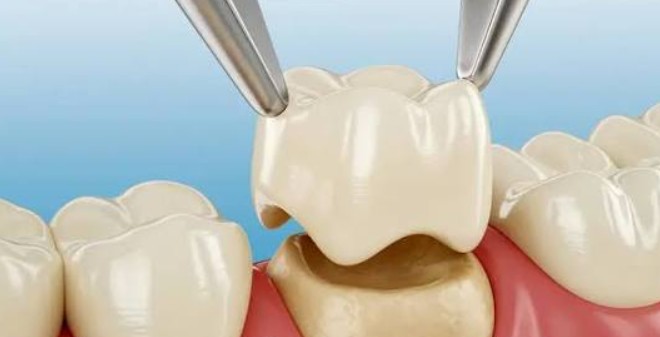
A dental bridge is another fixed alternative, particularly suited to replacing one or more missing teeth in a row. Rather than being anchored into the jawbone like an implant, a bridge relies on the natural teeth on either side of the gap, known as abutment teeth, which are shaped slightly to support crowns that hold the replacement tooth or teeth in place.
Bridges tend to involve a shorter treatment timeline than implants, since there is no waiting period for bone integration. They also remain fixed in the mouth rather than being removable, which many patients find more convenient day-to-day. One consideration is that the abutment teeth need to be prepared to support the bridge, which is worth discussing with your dentist if those teeth are otherwise healthy. For patients who are not suitable candidates for implants, or who prefer a quicker process, a bridge can be a sensible middle ground between dentures and implants.
Are There Other Options Besides Implants and Bridges
Beyond implants and bridges, there are a few other approaches depending on the specific situation. Implant-supported bridges, for example, combine elements of both, using two or more implants to support a bridge that replaces several missing teeth without relying on natural teeth for support. This can be a useful option for patients missing multiple teeth in a row who still want a fixed rather than removable solution.
Resin bonded bridges, sometimes called Maryland bridges, are a more conservative option that use a metal or porcelain framework bonded to the back of neighbouring teeth, avoiding the need to reshape those teeth as significantly as a traditional bridge would. This tends to suit certain front tooth replacements more than back teeth, given the different forces involved in chewing. A dentist can help determine which of these approaches, if any, fits your specific gap and overall dental health.
What Should You Consider Before Choosing a Replacement Option
Several factors typically come into play when deciding between implants, bridges, and other alternatives to dentures. Bone density and overall gum health are important for implants specifically, since the jawbone needs to be able to support the post. The condition of neighbouring teeth matters for bridges, since those teeth will be involved in supporting the replacement.
Budget and timeline are also worth thinking through, since implants generally involve a longer process and a different cost structure compared with a bridge. Personal preference plays a role too. Some patients prioritise a solution that closely mimics a natural tooth root, while others are more focused on a quicker, less invasive route. A thorough dental exam, often including X-rays, gives your dentist the information needed to talk through which option is realistic for your specific case.
Book a Consultation at Willerby Dental Care
Choosing how to replace a missing tooth is a personal decision, and there is rarely a single right answer that applies to everyone. Whether an implant, a bridge, or another fixed option ends up being the better fit depends on your bone health, the location of the gap, and what matters most to you day to day. The team at Willerby Dental Care takes the time to walk patients through each option clearly, without pressure, so you can make a decision that genuinely suits your situation. If you are missing a tooth and would like to explore options beyond dentures, get in touch with Willerby Dental Care to book a consultation and find out what might work best for you.
Frequently Asked Questions About Replacing Missing Teeth
Q: Are dental implants better than dentures?
A: Neither option is universally better, since it depends on the individual case. Implants are fixed and tend to feel closer to a natural tooth, while dentures can be a suitable and more accessible option for some patients, particularly when replacing several teeth at once.
Q: How long does it take to get a dental implant?
A: The full process, including healing time for the bone to integrate with the implant, often takes several months from start to finish. Timelines vary depending on individual healing and whether any additional procedures are needed beforehand.
Q: Can a dental bridge be used to replace more than one missing tooth?
A: Yes, a bridge can often replace one or more teeth in a row, provided there are healthy teeth on either side of the gap to support it. Your dentist can assess whether this is suitable for your specific situation.
Q: Do I need to have healthy teeth next to the gap to get a bridge?
A: Generally yes, since traditional bridges rely on the neighbouring teeth for support. If those teeth are not healthy enough, other options such as an implant-supported bridge might be considered instead.
Q: Is replacing a missing tooth necessary if it does not bother me?
A: Leaving a gap can sometimes lead to shifting of nearby teeth or changes in bite over time, so it is generally worth discussing with a dentist even if there is no immediate discomfort.
Q: What happens during the initial consultation for tooth replacement options?
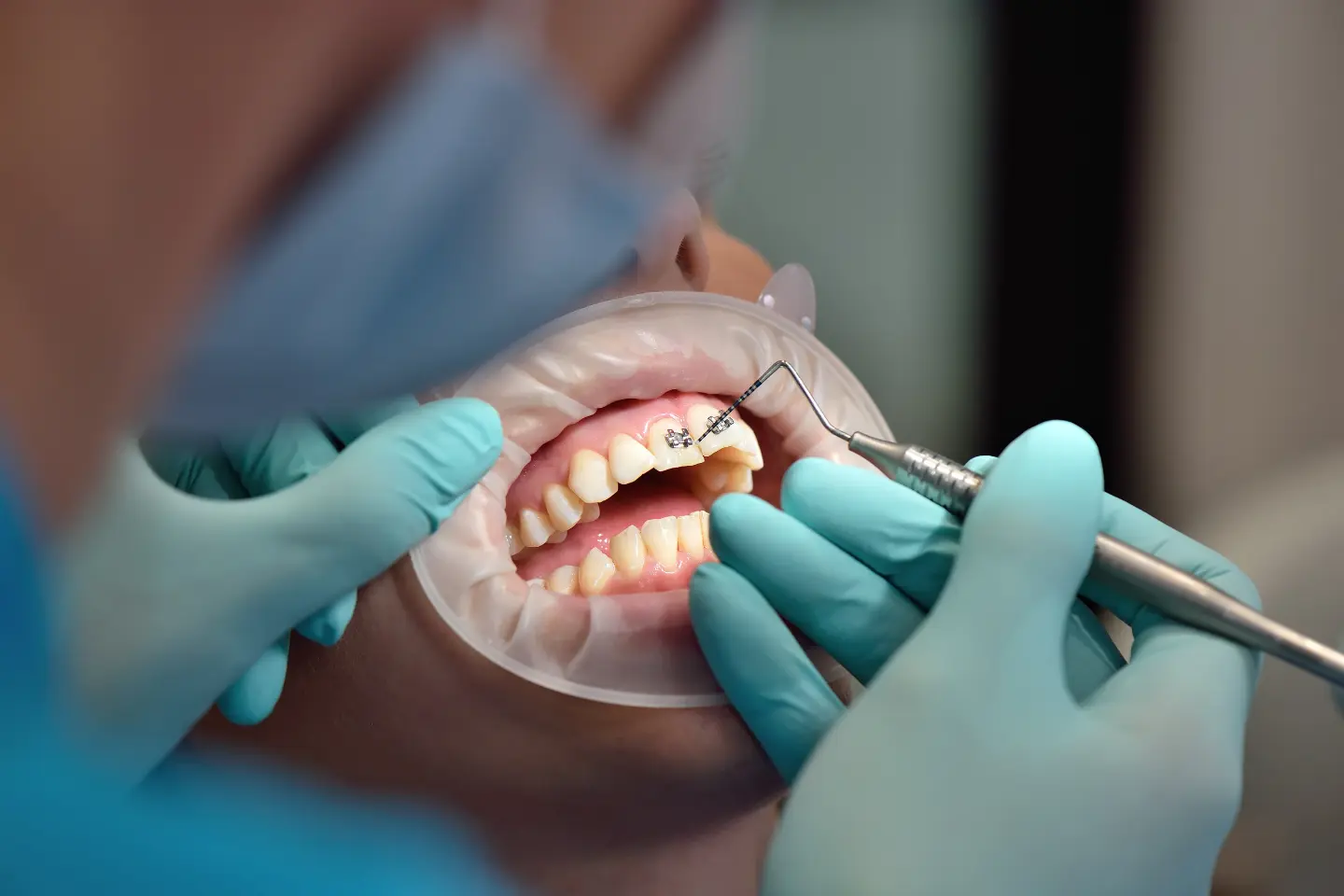
A: A consultation usually involves a dental exam, often including X-rays, to assess bone health, the condition of nearby teeth, and the overall suitability of each replacement option before a recommendation is made.
Still have questions?
Stay updated with dental
wellness tips





.jpeg)
.jpeg)








.webp)
.png)