



.svg)

Signs Your Dental Implant Is Healing Properly
Getting a dental implant placed is one of the best decisions you can make for your long-term oral health. But once you've left the clinic and you're at home in the days and weeks that follow, it's completely natural to find yourself wondering whether everything is progressing the way it should. What's normal? What's a good sign? And what should prompt a call to the clinic?
At Willerby Dental Care, we hear these questions all the time from patients who've had dental implants in Willerby, and we always say the same thing: knowing what healthy healing looks like at each stage takes an enormous amount of the worry out of the process. So let's walk through it properly.
What Happens to Your Jawbone After a Dental Implant Is Placed?
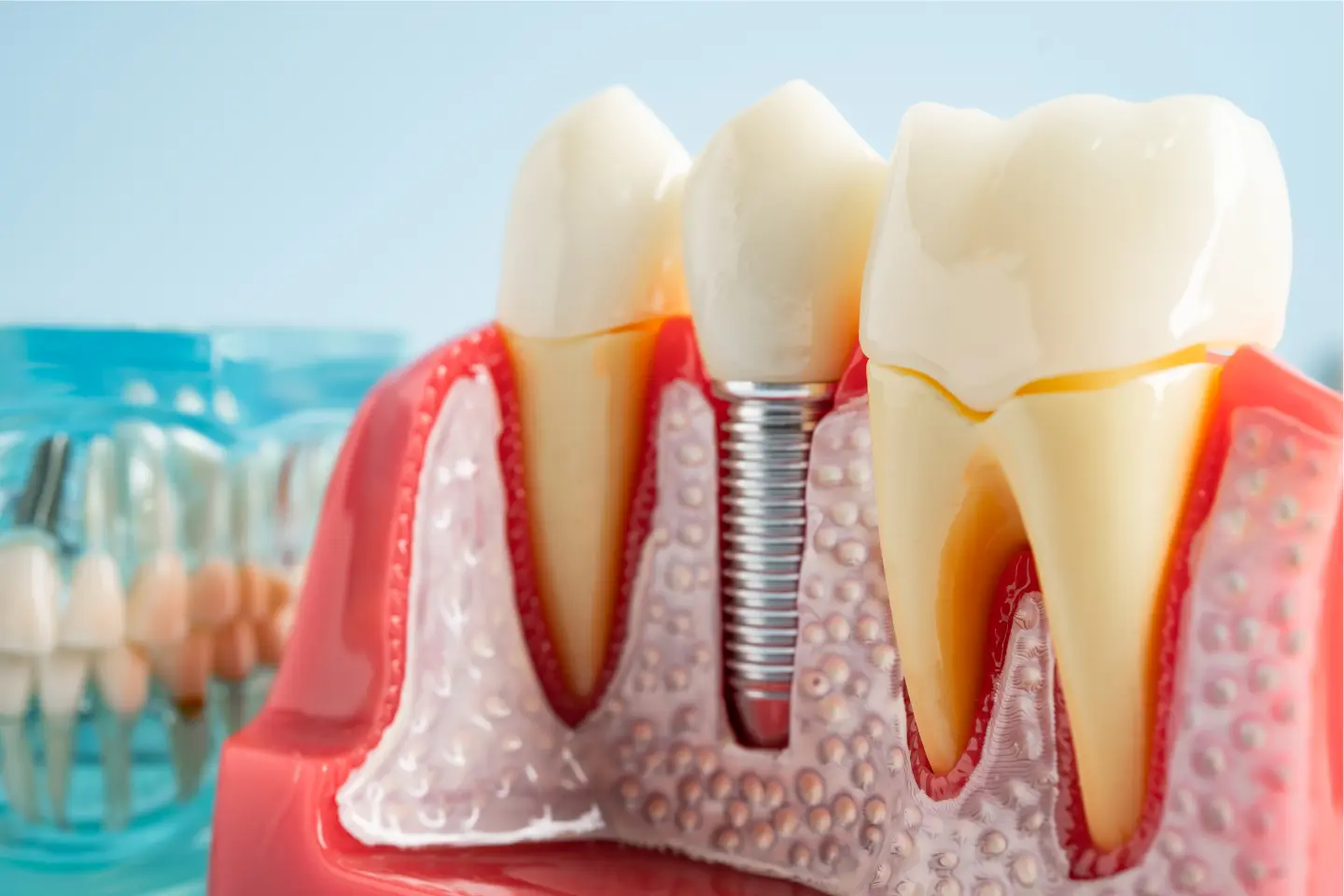
Understanding the healing process makes it much easier to recognise when things are going well. When a dental implant is placed, a small titanium post is positioned directly into the jawbone. The bone then gradually grows around and fuses to that post in a process called osseointegration. This is what gives the implant its remarkable stability and allows it to function so closely to a natural tooth root.
Osseointegration doesn't happen overnight. It typically takes somewhere between three and six months to complete, which means healing from a dental implant is a much longer journey than recovering from something like a simple extraction. Most of what happens during that time is happening deep within the bone, largely invisible and unfelt from the outside.
Is Swelling and Discomfort After a Dental Implant Normal?
The first 48 to 72 hours after implant placement are when most patients feel the most aware of the procedure. Several things that feel concerning during this period are actually entirely normal and indicate that healing is actively underway.
Swelling around the implant site and the surrounding cheek area is expected during the first two to three days. It often peaks around day two before gradually reducing. Applying a cold compress to the outside of the cheek in intervals during the first day helps keep swelling manageable and is something the team at Willerby Dental Care will advise you on before you head home.
Some discomfort during the first few days is also a completely normal part of the process rather than a sign that something has gone wrong. Over-the-counter pain relief taken as directed should be sufficient to keep this comfortable for most patients. If specific medication has been prescribed, follow that guidance accordingly.
A small amount of bleeding or blood-tinged saliva in the first twenty-four hours is normal and expected. What you want to see is that settling down noticeably by the end of that first day rather than continuing at the same level. A blood clot forming at the implant site is a genuinely positive sign during this period, as it protects the area while the initial tissue repair begins. It's important not to disturb it by rinsing vigorously, smoking, or using a straw in those early hours.
What Should a Dental Implant Look and Feel Like After Two Weeks?
As the first week progresses, the most noticeable symptoms should be reducing steadily. Swelling ought to be significantly better by around day four or five, and any meaningful discomfort should be easing in a clear direction rather than persisting at the same intensity.
The gum tissue surrounding the implant site will begin to close over and take on a healthier appearance as the days pass. Healthy gum tissue during this stage looks a consistent pink rather than red, angry, or noticeably inflamed beyond the very earliest days. That settling of the tissue is a reassuring indicator that the body is responding well.
By the end of the first two weeks, most patients are managing eating with increasing comfort, though sticking to softer foods and avoiding putting direct pressure on the implant site is still sensible. Your dentist at Willerby Dental Care will give you clear guidance on what to eat and when to begin reintroducing different foods based on how your healing is progressing at each follow-up.
How Do You Know If Osseointegration Is Working?
Once the initial healing phase has passed, the longer and quieter process of osseointegration takes over. This is where patience becomes a genuine part of treatment, because much of what's happening is beneath the surface and produces very little in the way of sensation.
A well-healing implant during this phase should feel stable. It won't feel identical to a natural tooth, but it should feel firmly in place rather than moving or shifting in any direction. Any sense of looseness or mobility in the implant itself is something to mention to your dentist promptly rather than monitoring at home.
Day-to-day life during osseointegration should feel largely unremarkable in relation to the implant. The site shouldn't be a source of ongoing discomfort once the early healing phase is behind you, and you should be progressively returning to a normal diet with some continued mindfulness around very hard or chewy foods near the site.
Follow-up appointments during this period allow the team at Willerby Dental Care to monitor how osseointegration is progressing, including through X-rays that show what's happening within the bone itself. These appointments are an important part of ensuring everything is advancing as it should be.
Warning Signs Your Dental Implant May Not Be Healing Correctly
Knowing what good healing looks like also means knowing when something might need attention. Most patients heal without any complications, but it's worth being aware of the signs that warrant a call to the clinic rather than waiting until your next scheduled appointment.
Pain that gets worse rather than better after the first few days is worth flagging. Normal healing discomfort follows a clear improving trend, so anything heading in the opposite direction deserves attention. Persistent or worsening swelling beyond the initial healing period, any visible movement or looseness in the implant, or an unpleasant taste or discharge from the site are all things to mention promptly.
None of these necessarily mean something has gone seriously wrong, but they are the kinds of things that are always better caught early.
Concerned About Your Implant? Willerby Dental Care Is Here to Help
Knowing what to expect during implant healing makes the whole experience considerably less daunting, and most patients find that once they understand what normal looks like at each stage, the months pass much more comfortably. The process takes time, but it's a process that works remarkably well for the vast majority of patients.
At Willerby Dental Care, we're committed to being there for you throughout your entire implant journey, from the very first consultation right through to the placement of your final restoration. If anything about your healing raises a concern between appointments, please do get in touch. We would always rather hear from you early.
Frequently Asked Questions About Dental Implant Healing
Q: How long does healing take after dental implants in Willerby?
A: Soft tissue healing around the implant site usually takes a couple of weeks. The deeper process of osseointegration, where the jawbone fuses fully to the implant post, typically takes between three and six months. Your dentist will confirm when healing is complete and when treatment can progress to the final restoration stage.
Q: Is some discomfort weeks after the procedure still normal?
A: Mild occasional tenderness in the weeks following placement can be normal, particularly if the area is disturbed during eating or cleaning. What shouldn't happen is discomfort that worsens over time, or that doesn't show a clear improving trend. If something doesn't feel right, contact Willerby Dental Care rather than waiting it out.
Q: How do I keep the implant site clean while it heals?
A: Keeping the surrounding teeth and gums clean is important for implant healing, so don't neglect the rest of your mouth. For the implant site itself, your dentist will give you specific guidance on gentle cleaning during the early healing phase. Warm saltwater rinses after the first twenty-four hours can help keep the area clean and support tissue healing.
Q: What does a failing implant feel like compared to normal healing discomfort?
A: Normal healing discomfort improves progressively over time. Signs that something may need attention include pain that gets worse after the first few days, visible movement in the implant, persistent swelling beyond the initial period, or any unusual discharge or taste from the site. Any of these warrant a prompt call to the clinic rather than a wait-and-see approach.
Q: When can I eat normally again after having an implant placed?
A: Most patients can return to a fairly normal diet within a few weeks of placement, with ongoing care around very hard or particularly chewy foods near the implant site until osseointegration is well established. Your implant dentist at Willerby Dental Care will give you personalised guidance on this at each follow-up visit based on how your healing is progressing.
Still have questions?
Stay updated with dental
wellness tips





.jpeg)
.jpeg)







.webp)
.png)