Dental Erosion: How Acidic Foods and Drinks Can Wear Away Your Teeth
You probably think of your daily habits as pretty harmless. A glass of squash with lunch, a bit of fruit mid-afternoon, a fizzy drink on a Friday night. And mostly, they are. But for your teeth, the little things can add up. Over months and years, regular exposure to acid can slowly thin the outer layer of your teeth, and you often won't feel a thing until it's well underway. That's what dental erosion is, and it's more common than many people realise. Here's what causes it, how to spot it, and what you can do to look after your tooth enamel.
What Is Dental Erosion and How Is It Different From Tooth Decay?
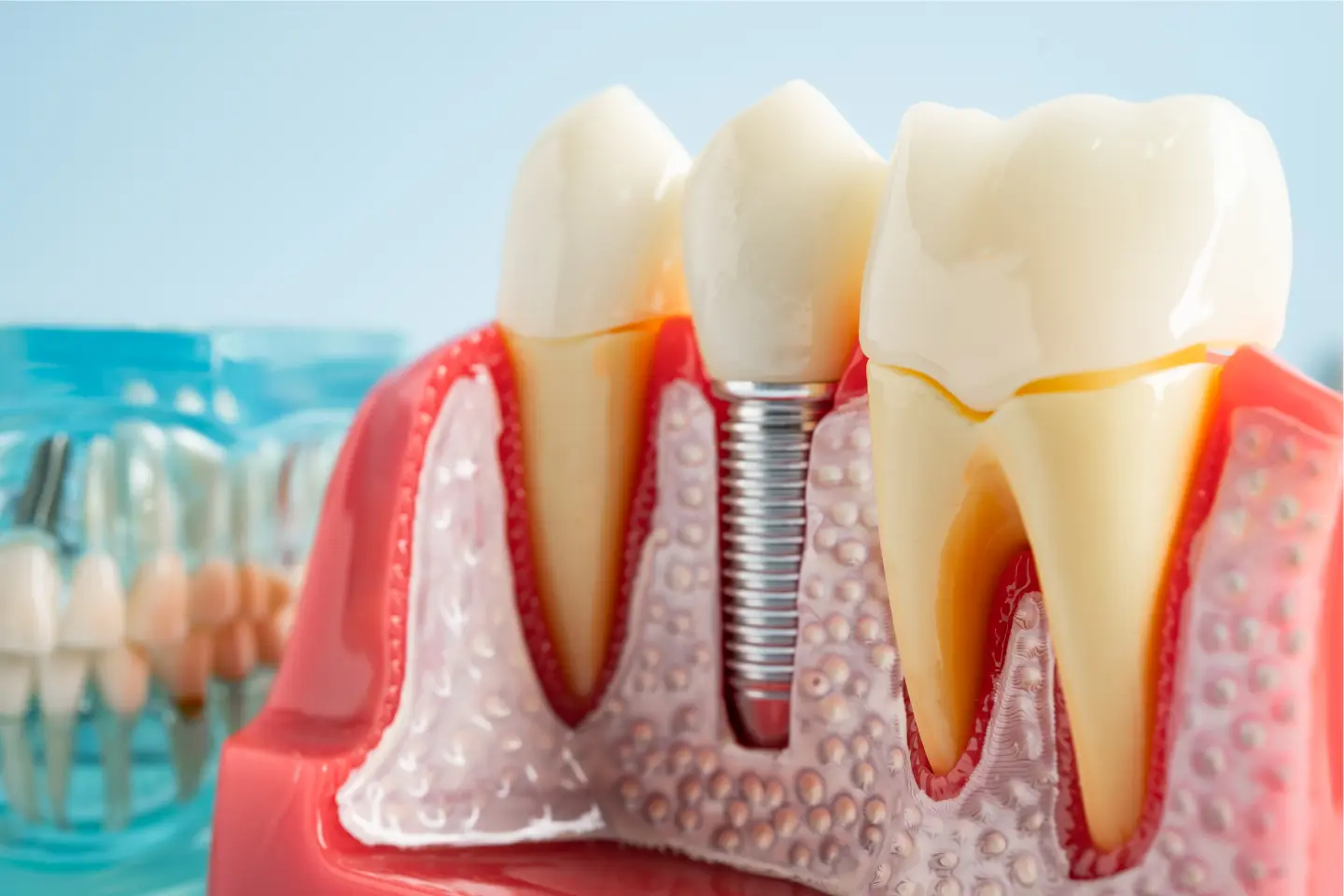
Dental erosion is the gradual loss of tooth enamel caused by acid, without bacteria being involved. Enamel is the hard, protective outer layer of each tooth. It's the strongest substance in your body, but it isn't indestructible. When acid softens it repeatedly, tiny amounts of the surface can be lost over time, and unlike bone, enamel can't regrow.
People often mix up erosion and decay. They're related but not the same. Tooth decay happens when bacteria in plaque feed on sugar and produce acid that damages teeth. Erosion happens when acid from food, drink or your stomach attacks enamel directly. Both can occur together, and both are worth keeping an eye on.
Which Acidic Foods and Drinks Can Wear Away Tooth Enamel?
Here's the part that surprises people. Some of the things we consider healthy can be quite acidic.
- Fizzy drinks: Cola, lemonade and energy drinks tend to be acidic, and sugar-free versions can still be a concern, since the acid is still there.
- Fruit juices and squash: Even those with no added sugar can be acidic, especially if sipped slowly through the day.
- Citrus fruits: Lemons, limes, oranges and grapefruit are high in acid. A squeeze of lemon in water might seem virtuous, but doing it all day long can add up.
- Wine and cider: Both are mildly acidic and are often enjoyed over a long period, which keeps teeth exposed.
- Vinegar and pickles: Salad dressings, pickled onions and sharp sauces can also be a factor.
- Sports drinks and flavoured waters: These are often marketed as healthy but can be acidic.
- Sour sweets: They can be a double hit, with both sugar and acid.
You don't have to ban any of this. What tends to matter most is how often and for how long your teeth are in contact with acid.
Can Acid Reflux and Vomiting Cause Dental Erosion?
Yes, and this one catches a lot of people off guard. Stomach acid is much stronger than anything in your diet. If it regularly reaches your mouth, through acid reflux, heartburn or frequent vomiting, it can contribute to erosion, often on the inner surfaces of the teeth first.
This can happen with certain medical conditions, during pregnancy, or alongside some eating disorders. If you have ongoing reflux, speak to your GP as well as your dentist, because managing the cause matters as much as protecting the teeth. And if you're struggling with an eating disorder, please know that support is available and that your dentist can be a kind, non-judgemental part of your care team.
What Are the Early Signs of Enamel Erosion?
Erosion can be quiet in the beginning. Look out for:
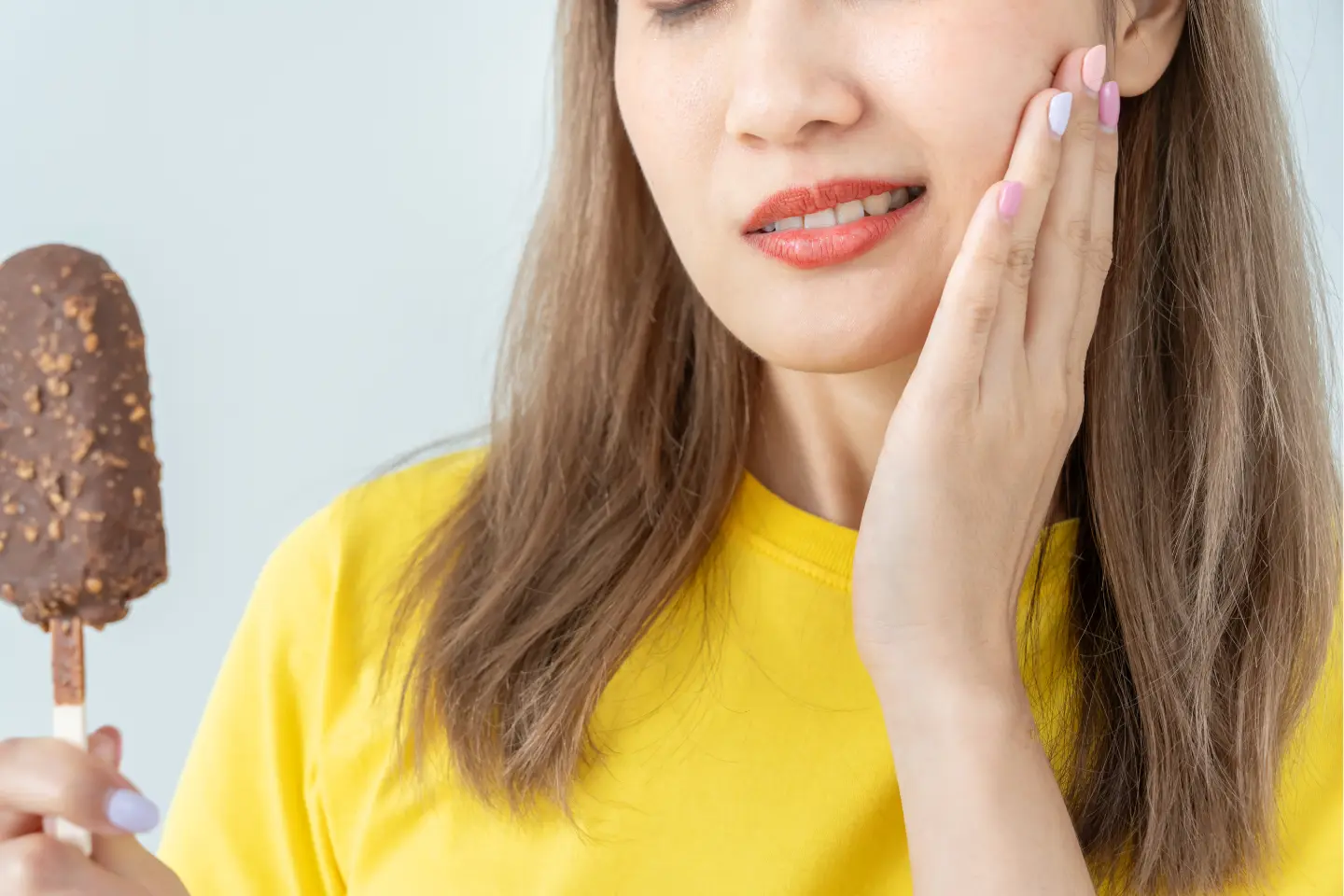
- Sensitive teeth, especially to hot, cold or sweet things
- Teeth that look glassy, smooth or shiny
- Yellowing, as the layer underneath, called dentine, shows through
- Small dents or cupping on the biting surfaces
- Edges that look thin, rough or slightly transparent
- Fillings that seem to stand proud as the surrounding tooth wears
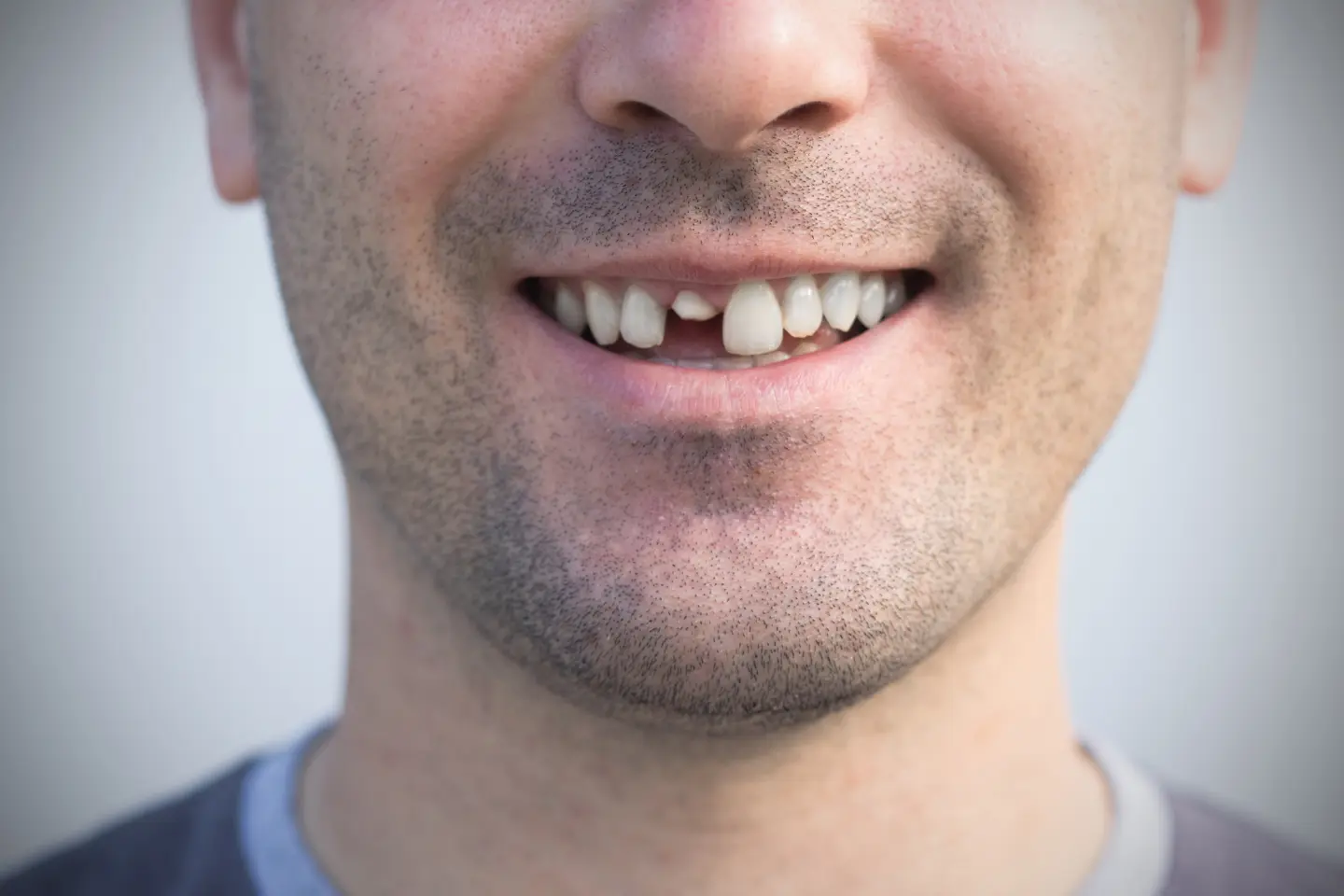
- Rounded or chipped teeth
Some of these can also be caused by other problems, such as grinding or gum recession, so don't jump to conclusions. But if you notice changes, it's worth a conversation with your dentist, who can look for the cause.
Why Does Dental Erosion Matter for Your Long-Term Oral Health?
As enamel wears away, teeth can become more sensitive, more prone to decay and more likely to chip or crack. They may also change in colour and shape, which can affect how you feel about your smile. In more advanced cases, extensive wear can need restorative work, which tends to be more involved than preventing the problem in the first place.
The encouraging side of this is that erosion is often manageable when it's caught early. Small changes to habits can help slow it down, and your dentist can suggest ways to protect your teeth before things progress.
How Can You Protect Your Teeth From Acidic Foods and Drinks?
Nobody needs to live on plain water and crackers. A few practical tweaks go a long way.
- Have acidic things with meals: Saliva production increases when you eat, which helps neutralise acid. Sipping on a fizzy drink or juice by itself for an hour is harder on your teeth than having it with food.
- Use a straw: It can help direct drinks past your front teeth, although it isn't a perfect fix.
- Rinse with water afterwards: A quick swish helps wash acid away.
- Don't brush straight away: After something acidic, wait about 30 minutes before brushing. Softened enamel is more vulnerable to wear.
- Choose fluoride toothpaste: Fluoride helps strengthen enamel and may help it resist acid.
- Cut down on sipping and snacking: Every sip is another acid attack. Fewer, shorter exposures are kinder.
- Finish with cheese or milk: These can help balance acidity in the mouth.
- Keep up regular check-ups: Your dentist can monitor your teeth and spot early changes you might not notice yourself.
What Can a Dentist Do About Dental Erosion?
What happens next depends on how far things have gone. For early erosion, your dentist may focus on advice, a closer look at your diet and habits, and fluoride treatments that help protect the surface. If sensitivity is a problem, desensitising products might be recommended.
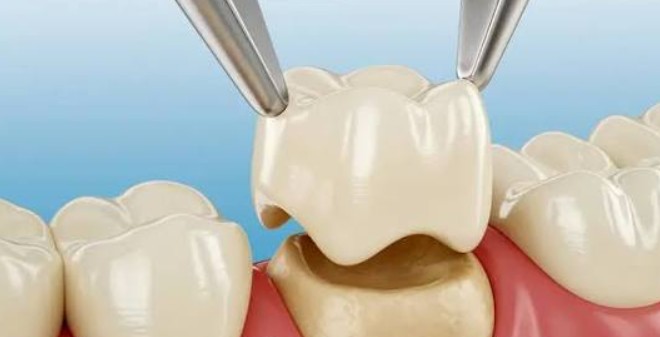
Where enamel has worn more noticeably, options such as bonding to rebuild or protect affected areas may be considered. In more advanced cases, crowns or veneers can sometimes be used. Your dentist will talk you through what's suitable for your teeth, with no pressure.
Talk to Willerby Dental Care About Protecting Your Enamel
If you're worried about dental erosion, or you've noticed your teeth feeling more sensitive or looking different, it's worth getting them checked. The team at Willerby Dental Care can look at the condition of your enamel, talk through your diet and daily habits in a friendly, no-blame way, and suggest practical steps to help protect your teeth.
Willerby Dental Care welcomes patients from Willerby, Hull, Brough and Swanland. Get in touch to discuss your smile and arrange a consultation. At Willerby Dental Care, the focus is on clear advice and comfortable care, so you can feel confident about looking after your teeth. Contact Willerby Dental Care today to book your visit.
FAQs About Dental Erosion
Q: Can enamel grow back?
A: No, once enamel is lost, the body can't regenerate it. However, early softening can sometimes be helped by fluoride and good habits, and your dentist can suggest ways to protect what you have.
Q: Are sugar-free drinks safe for my teeth?
A: Not necessarily. Sugar-free fizzy drinks and squashes can still be acidic and contribute to erosion. Water and milk are generally gentler options.
Q: Is lemon water bad for teeth?
A: It can be if you sip it frequently over a long time. Having it with a meal, using a straw and rinsing with water afterwards may reduce the effect.
Q: Why are my teeth sensitive all of a sudden?
A: Sensitivity can have several causes, including enamel wear, gum recession or decay. A dental check will help identify what's going on.
Q: Does brushing harder remove acid damage?
A: No, and brushing too hard can make wear worse. A soft-bristled brush and gentle technique are usually the better choice.
Still have questions?
Stay updated with dental
wellness tips