



.svg)


Biomimetic Dentistry in Willerby, Hull
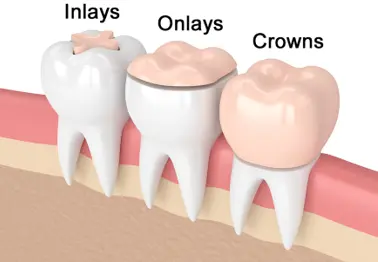
Biomimetic Dentistry is an advanced, tooth-conserving approach that restores teeth by closely mimicking their natural biology.
In simpler terms, it recognises that teeth are living, dynamic structures that flex and move under forces (biting). Unlike traditional methods, Biomimetic dentistry studies what happens microscopically when teeth fail. Such as how cracks or material types affect their substructure and the force within the tooth. From this understanding, each tooth is rebuilt and restored from the ground up to function like nature intended.
This happens mainly because we are bonding materials that shrink as they set, to a surface that is constantly moving — the tooth itself. The diagram below illustrates this.
By replicating the tooth’s natural structure, strength, and function, biomimetic restorations offer a much greater durability, stability, and long-term success, all while preserving as much of the natural tooth as possible.
Using high magnification and precise instruments, we are able to identify and treat the cracks before they lead to failures in teeth. Sometimes the cracks in teeth are restorable, it depends on the nature of the crack; other times, if it results in the tooth being unsalvageable, we call this a catastrophic failure.
Restorations that are based on a biomimetic approach have a 300 % – 400 % higher bond strength than conventional restorations. The Biomimetic Protocols allow for minimal stress (1)(2)(3)(4).
Why Choose Biomimetic Dentistry?
- Superior Strength: Biomimetic restorations are significantly stronger than traditional ones, improving the tooth's lifespan and resilience.
- Keeps the tooth alive: We add a protective “biobase” beneath the restoration, acting as a cushion so the restoration can move in harmony with the tooth when biting. This reduces the need for re-treatment and dramatically reduces the risk of needing root canal treatment over a tooth's lifetime.
- Avoid Crowns: Biomimetic restorations often eliminate the need for crowns, preserving more of the natural tooth structure.
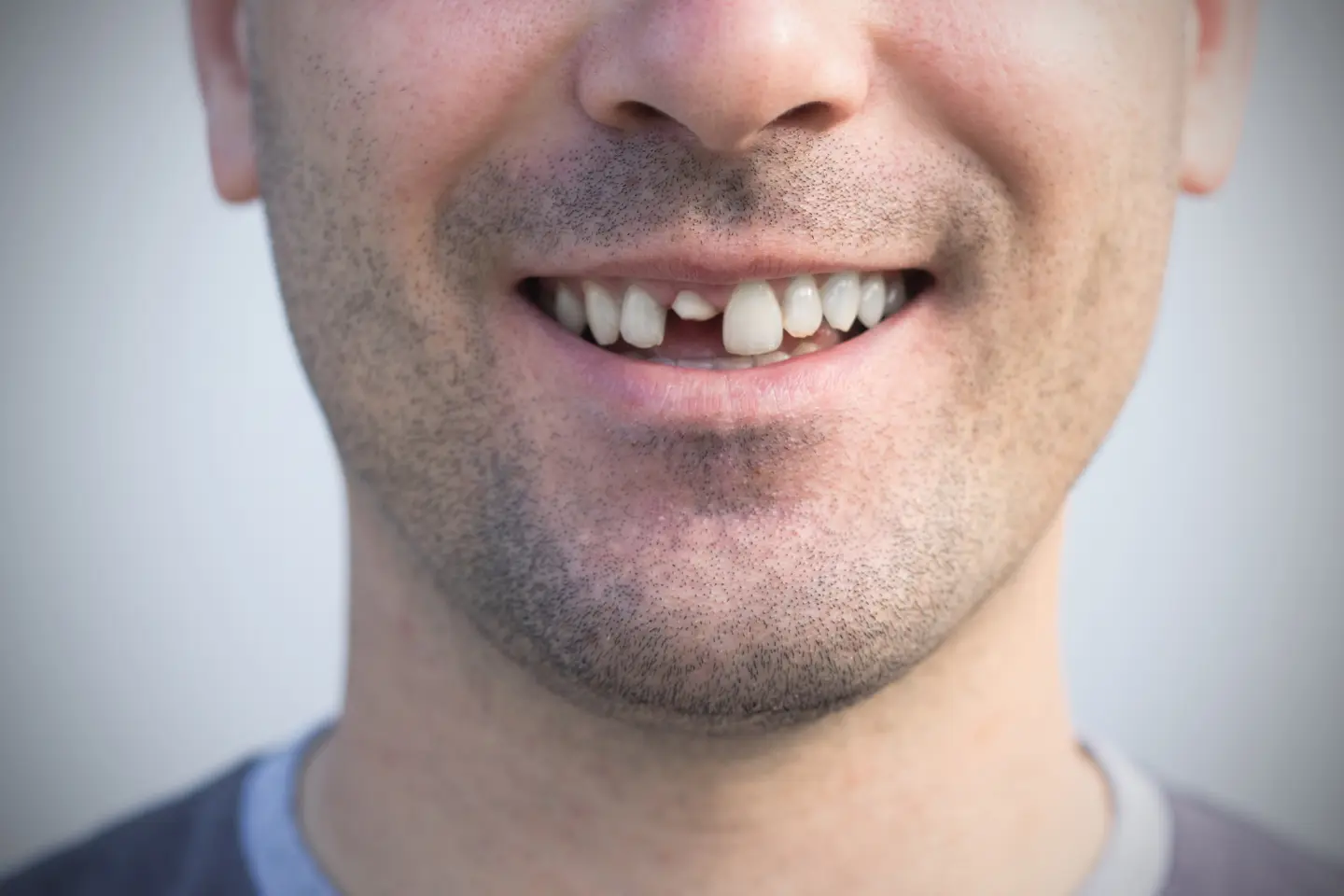
- Saves Teeth Once Thought Unrestorable: Thanks to advanced bonding techniques, we can now restore teeth with cracks or deep decay that would have previously required extraction or an implant.
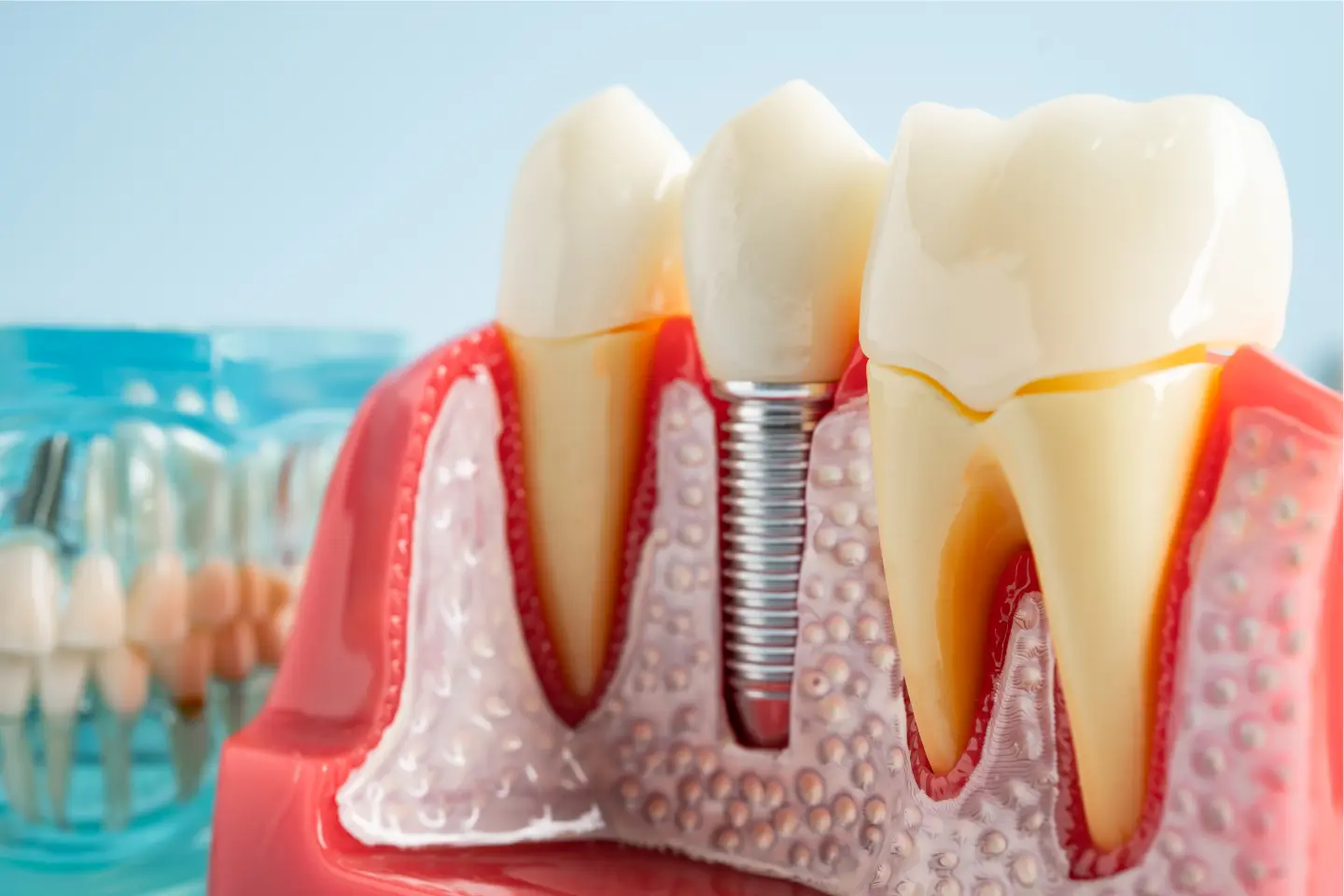
- Avoid or Delay Implants & Extractions: With accurate and predictable bonding of dental materials to the tooth, over the course of a tooth's lifespan, we can delay or avoid the need for more invasive procedures like implants or bridges.
- Proven Longevity: Biomimetic restorations have shown less than a 1% failure rate since 2007.
What to Expect During Treatment
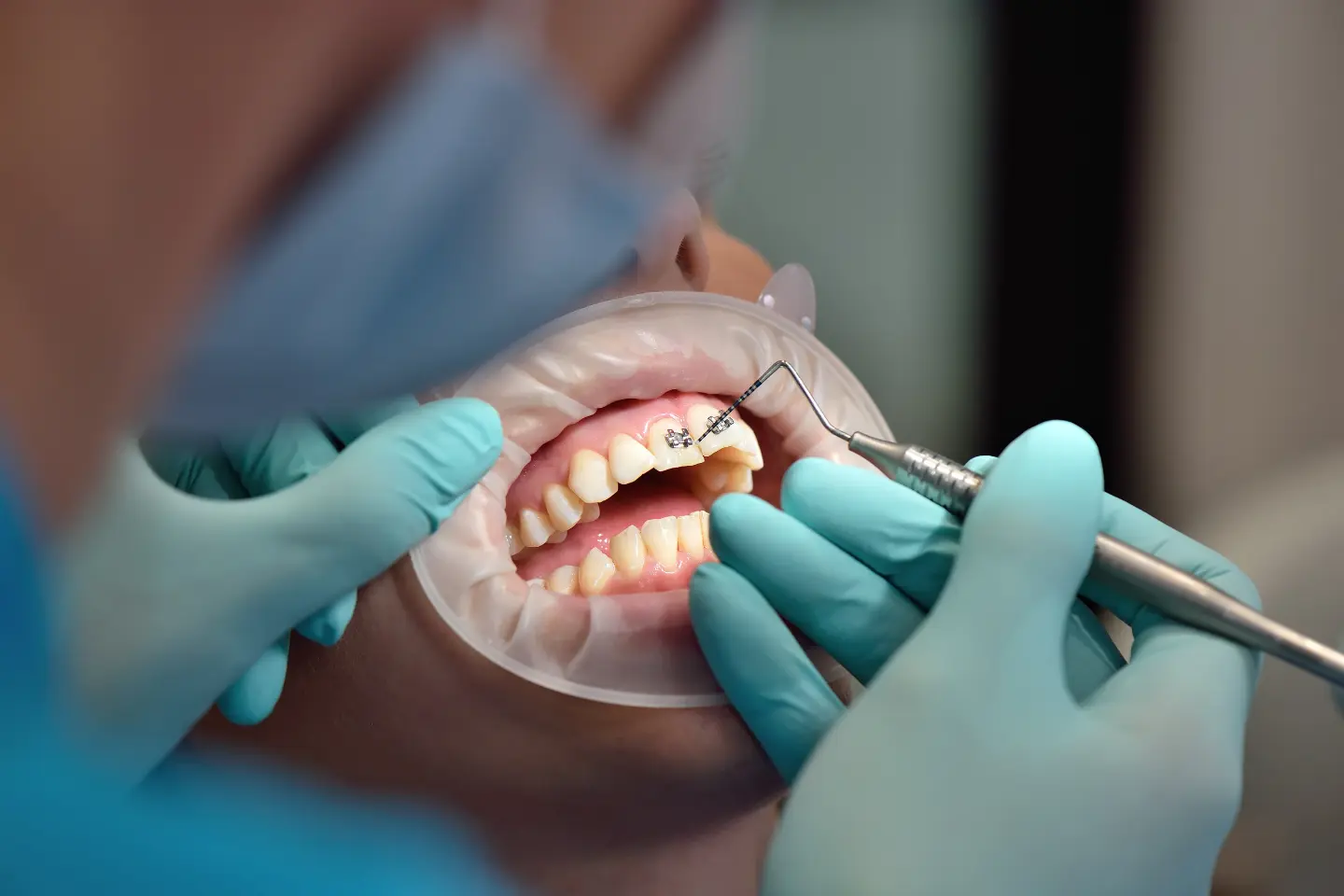
Every biomimetic restoration starts with a careful assessment using high magnification to understand exactly how a tooth has failed, before any treatment begins. Damaged or decayed material is removed conservatively, keeping as much healthy tooth structure as possible. The restoration is then built up in thin layers using materials selected to bond strongly and flex in harmony with the tooth, rather than as a single rigid block. This layering process takes longer than a conventional filling or crown, but it's what gives biomimetic restorations their significantly higher bond strength and longevity.
Aftercare
Biomimetic restorations are cared for just like natural teeth — regular brushing, flossing, and routine check-ups. Because the approach is designed to reduce stress on the tooth, patients often find these restorations feel more comfortable and natural than a conventional crown from the first day. As with any dental work, let us know promptly if you notice any new sensitivity, so we can check everything is settling as expected.
Frequently Asked Questions
What makes biomimetic dentistry different?
It focuses on restoring teeth to behave like natural tooth structure, using layered bonding techniques rather than rigid fillings or crowns.
Is biomimetic dentistry more expensive?
It typically takes more time and precision than conventional treatment, which is reflected in the approach, but it can help you avoid more costly treatment like crowns or root canals later.
Can biomimetic dentistry save a badly cracked tooth?
Often yes — many teeth previously considered unrestorable can now be saved using biomimetic bonding techniques.
Does biomimetic dentistry hurt?
No — it's carried out under local anaesthetic just like a standard filling or restoration.
How long do biomimetic restorations last?
They're designed for long-term durability, with published failure rates of under 1% since 2007.
Will I need a crown eventually?
Biomimetic techniques are specifically designed to avoid or delay the need for a crown wherever possible.
Is biomimetic dentistry suitable for everyone?
It's suitable for most patients with cracked, worn or decayed teeth — we'll assess your specific case at a consultation.
Interested in Biomimetic Dentistry?
Meet the people who care


.png)





Stay updated with dental
wellness tips



.jpeg)
.jpeg)




.webp)
.png)