



.svg)

Can Invisalign Fix an Overbite? What Clear Aligners Can Treat
An overbite is one of the more common bite issues people ask about, and it is often one of the first things that comes up when someone starts researching clear aligners. Invisalign has come a long way over the years, and today's aligner systems are capable of addressing a much wider range of overbite cases than earlier versions of the technology. At Willerby Dental Care, this question comes up often during consultations, particularly from adults who are curious about clear aligners but are not sure what the treatment can realistically achieve for their bite. This guide looks at what an overbite actually is, how modern clear aligners approach correction, and what a proper assessment involves.
What Counts as an Overbite and Why Does It Happen
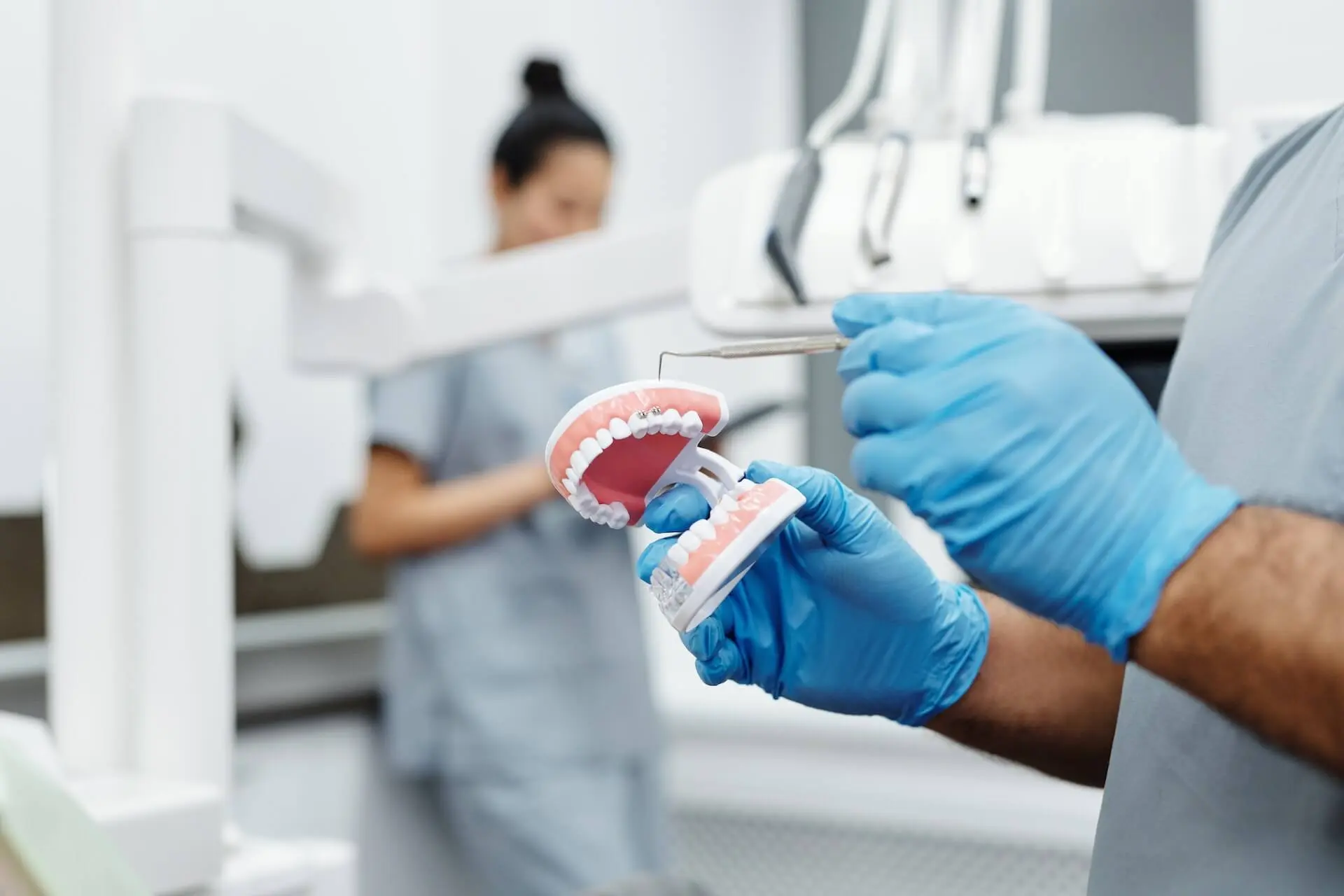
An overbite refers to the upper front teeth overlapping the lower front teeth more than what is generally considered typical. A small amount of overlap is normal and healthy, but a pronounced overbite can affect how the teeth meet when biting down, and in some cases contributes to jaw discomfort or uneven wear on the teeth over time.
Overbites can develop for a range of reasons, including genetics, childhood habits such as prolonged thumb sucking, or the natural way the jaw and teeth have grown. Some overbites are mainly a matter of tooth position, while others involve the underlying jaw structure itself, which is something a dentist will always look at closely as part of planning treatment.
Can Invisalign Actually Correct an Overbite
Clear aligners, including Invisalign, have become increasingly capable of treating overbites, thanks to ongoing advances in aligner design and treatment planning technology. Features such as precision attachments and refined movement staging allow today's aligners to guide teeth through more involved corrections than earlier generations of the product could manage.
Every overbite is different, and the right approach still depends on the individual case, so a dentist will always want to assess your specific bite before mapping out a plan. What has changed is that clear aligners are no longer seen as a limited option reserved for the simplest cases. Many patients who might once have been steered straight toward braces now have Invisalign presented as a genuine option worth exploring, once a dentist has reviewed the details of their bite.
How Does a Dentist Determine If Clear Aligners Will Work for Your Bite
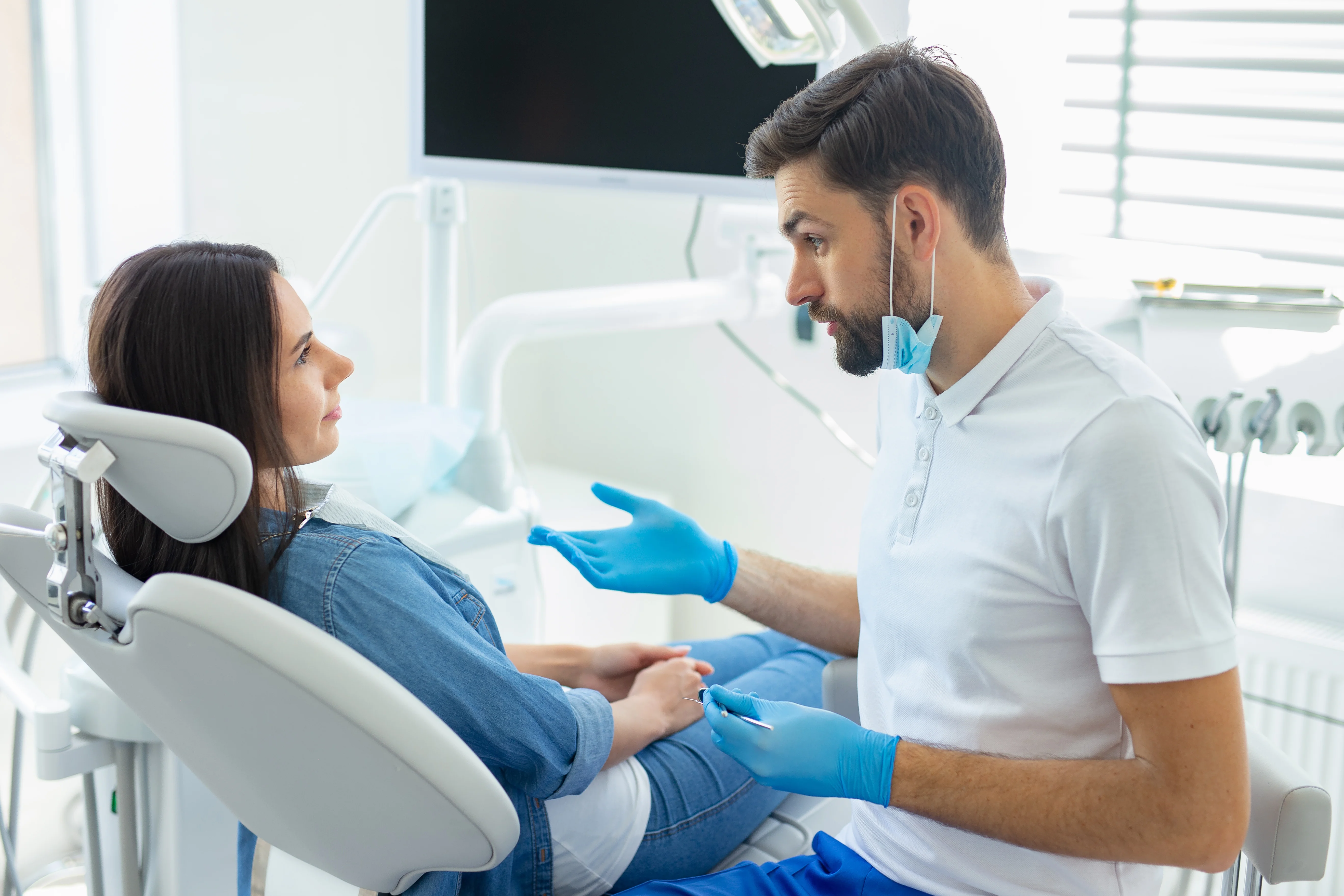
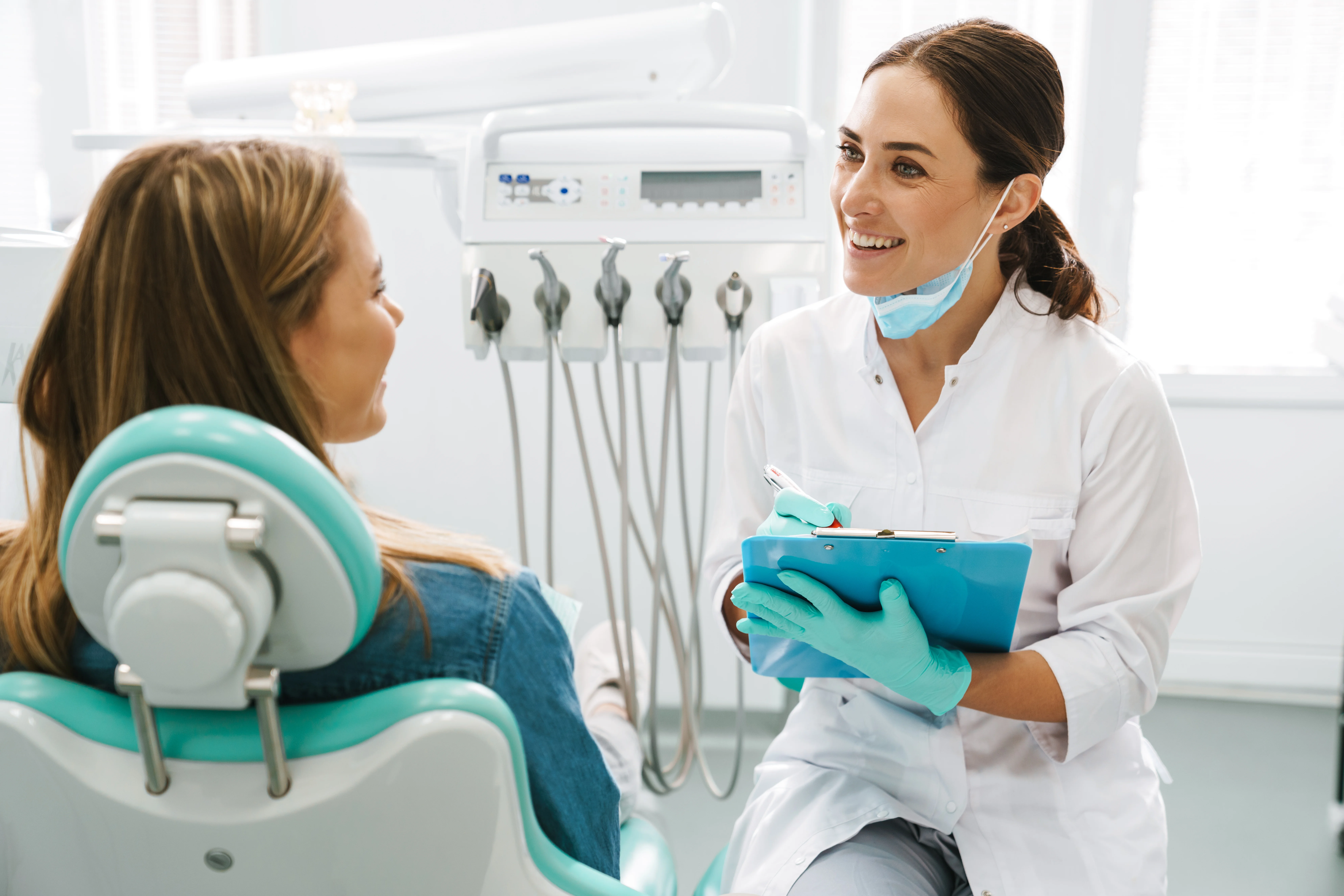
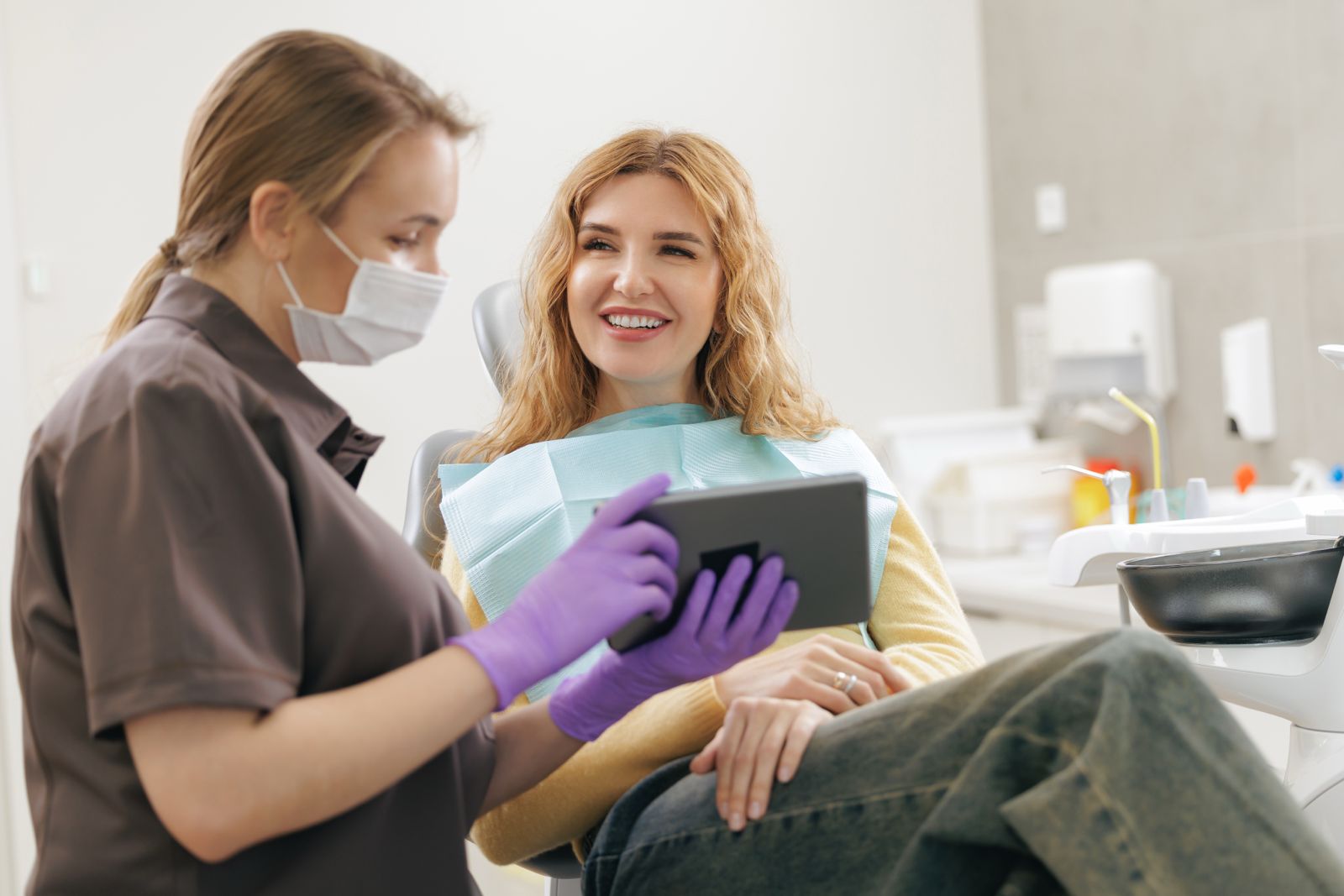
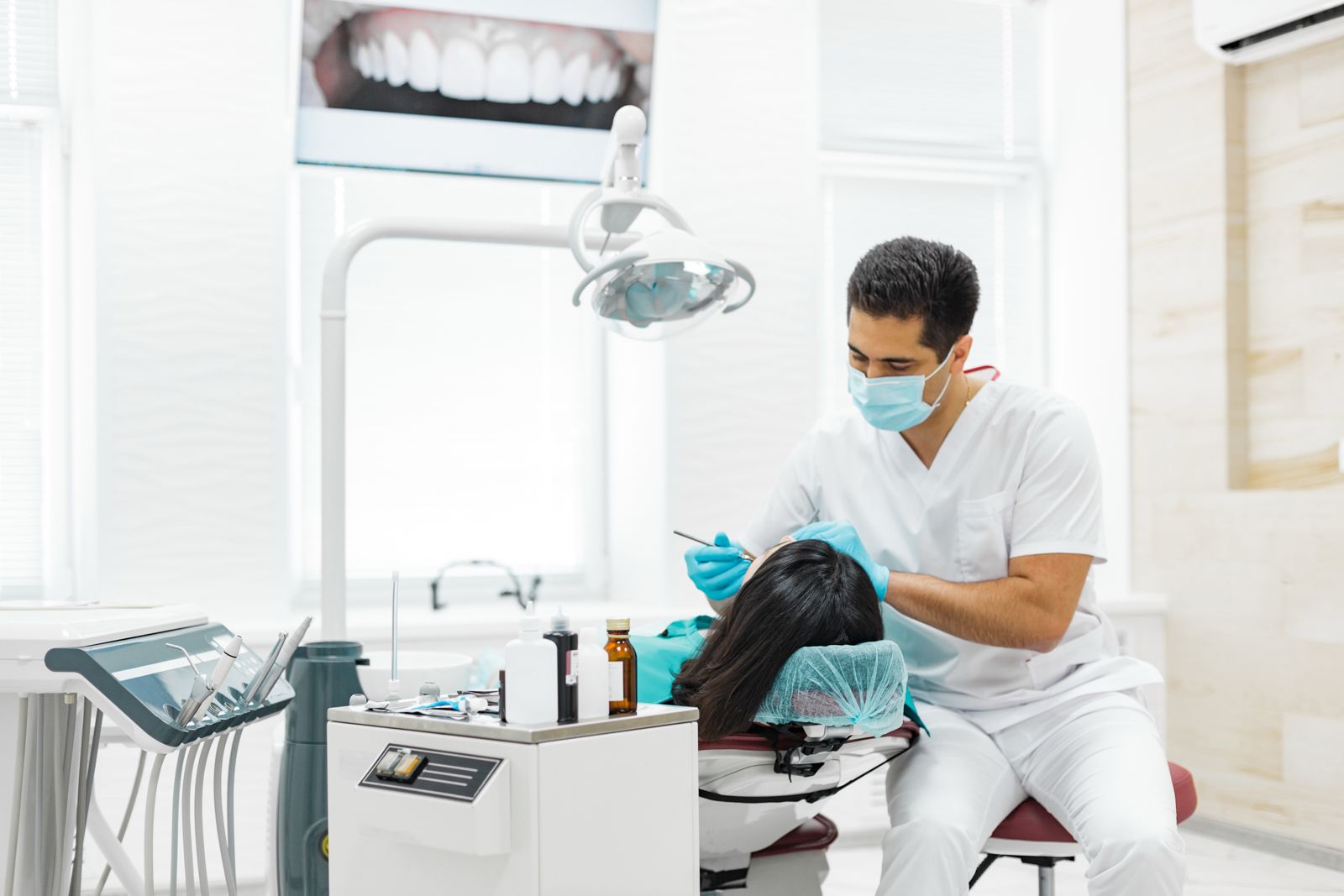
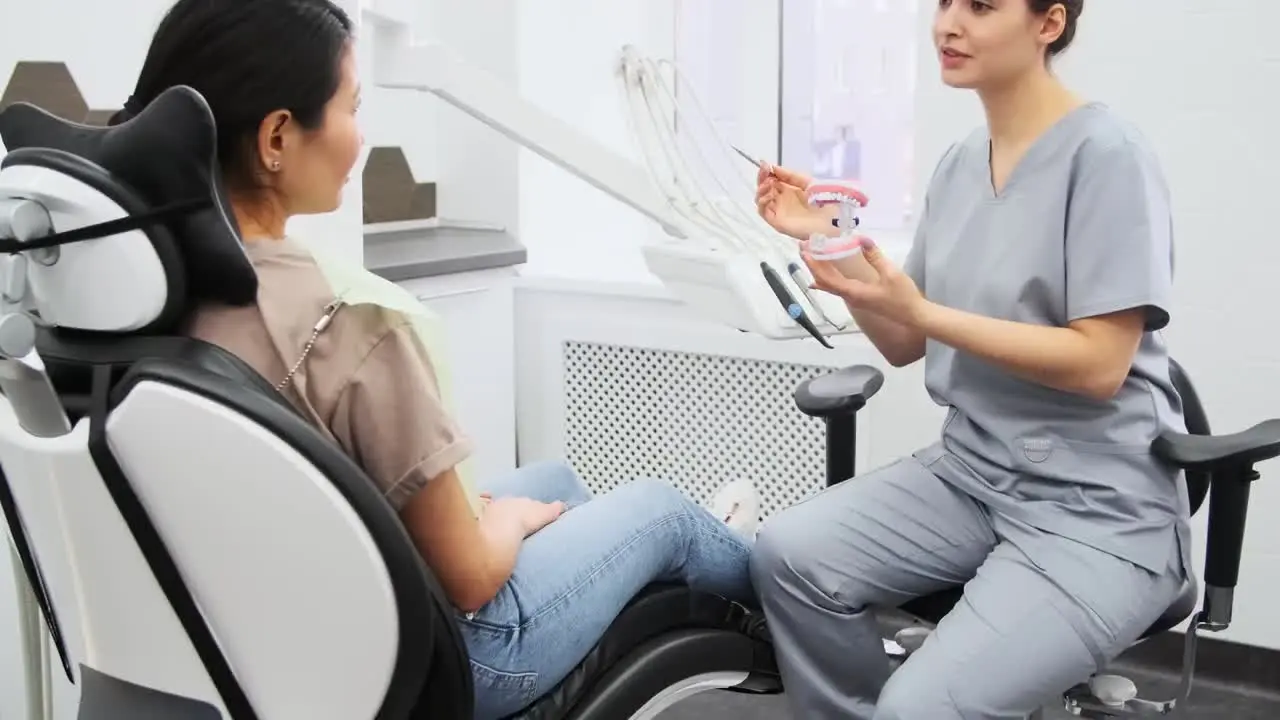
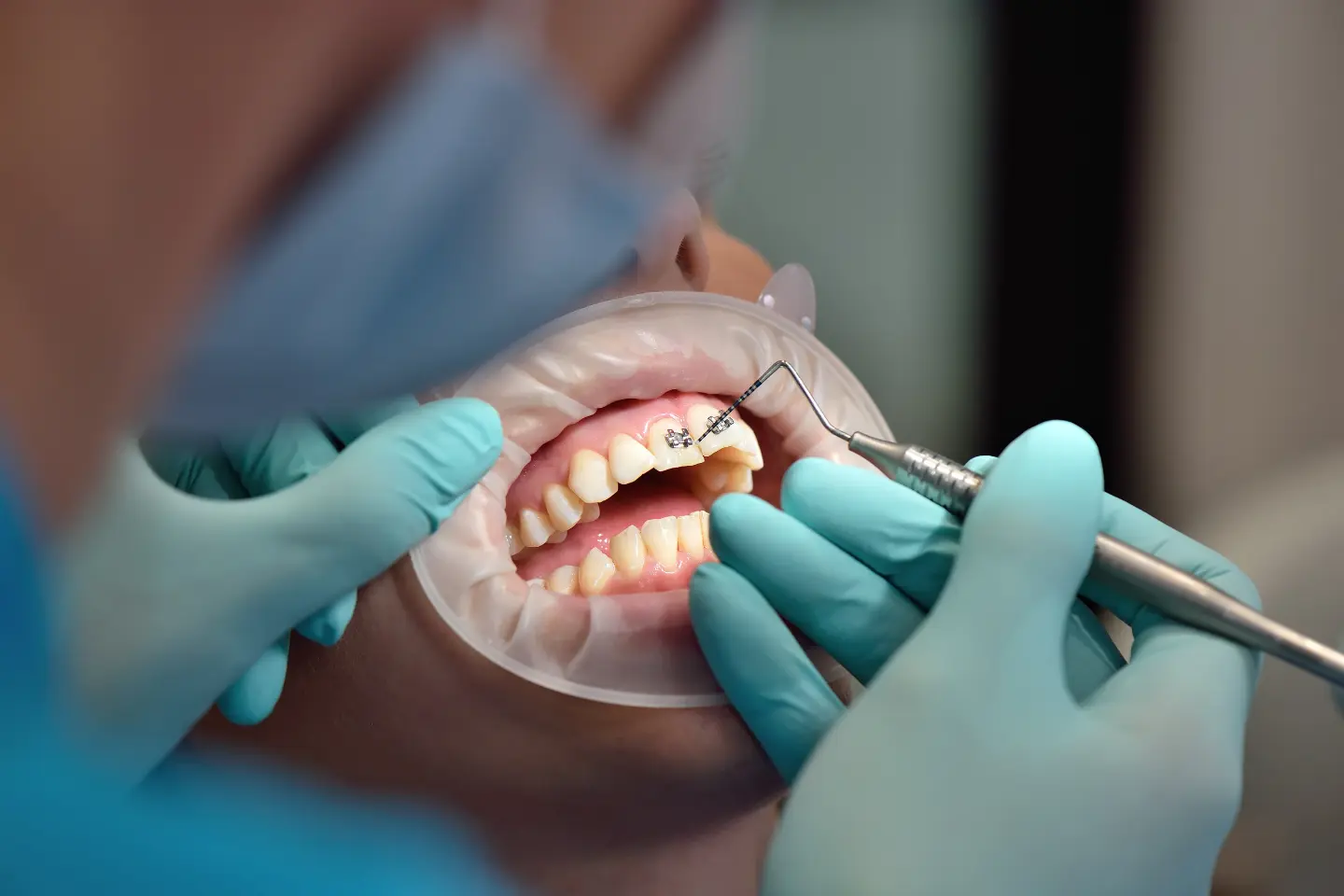
Working out the right approach for correcting an overbite usually starts with a thorough dental exam, often supported by X-rays and digital scans of the teeth and jaw. This gives a dentist a clear picture of the overbite, including how much of it relates to tooth position versus the underlying jaw structure, which shapes how the treatment plan is built.
From there, a plan can be mapped out, often using software that simulates how the teeth are expected to move throughout the course of treatment. This step is useful for setting realistic expectations, since it gives a general sense of what results might look like, though actual outcomes can vary depending on how consistently the aligners are worn and how the individual case responds to treatment.
What Other Bite and Alignment Issues Can Clear Aligners Treat
Overbites are just one of several issues clear aligners are used to address. Crowding, where teeth overlap due to lack of space, is one of the more common reasons people pursue Invisalign. Gaps between teeth, crossbites, underbites, and more complex combinations of these issues can also be assessed for treatment with today's aligner technology.
Because aligner systems have expanded so much in recent years, the conversation with your dentist is less about whether Invisalign can be considered at all, and more about how your specific bite would be planned and staged to get the best result. A dentist familiar with your dental history is best placed to walk you through what that looks like for your particular case.
What Should You Expect If You Start Invisalign for an Overbite
Treatment length varies depending on the specifics of the overbite and how the teeth respond over time. Aligners are typically worn for around 20 to 22 hours a day, with each set replaced roughly every one to two weeks as the teeth gradually shift according to the plan mapped out at the start of treatment.
Regular check-ins with your dentist throughout treatment help track progress and allow for any adjustments to the plan if needed. It is worth keeping in mind that consistent wear plays a significant role in how treatment progresses, since skipping wear time can slow things down or affect the overall outcome. Being upfront with your dentist about your daily routine and habits during the consultation can help set a treatment plan that is realistic for your lifestyle.
Book a Consultation at Willerby Dental Care
Clear aligner technology has moved on considerably, and Invisalign today is capable of addressing overbites that would once have been directed straight toward other treatments. That said, every bite is different, which is exactly why a proper assessment matters more than general information found online. The team at Willerby Dental Care is happy to talk through your bite, take a proper look with X-rays and scans, and give you an honest sense of how Invisalign could work for your specific smile. If you have been wondering whether clear aligners could work for your overbite, get in touch with Willerby Dental Care to book a consultation and find out where you stand.
Frequently Asked Questions About Invisalign and Overbites
Q: Can Invisalign fix a significant overbite?
A: Modern Invisalign technology has expanded considerably and is designed to handle a wide range of overbite cases. A dental evaluation is the best way to see how your specific bite would be planned for treatment.
Q: How long does Invisalign take to correct an overbite?
A: Treatment length depends on the specifics of the overbite and individual response. A dentist can give you a more precise estimate once your bite has been assessed and a plan has been mapped out.
Q: Is Invisalign as effective as braces for treating an overbite?
A: Both options can be effective depending on the individual case. Today's aligner systems have advanced significantly, and many patients find Invisalign achieves the results they are looking for once a proper treatment plan is in place.
Q: Will I need attachments on my teeth for Invisalign to treat an overbite?
A: Small tooth coloured attachments are often used to help the aligners grip and move certain teeth more effectively. Your dentist can explain whether this applies to your treatment plan.
Q: Can adults get Invisalign for an overbite, or is it mainly for teenagers?
A: Adults can absolutely be candidates for Invisalign, and many adults choose clear aligners specifically because they are less noticeable during treatment. Suitability is based on an assessment of the individual bite rather than age alone.
Q: What happens during the assessment for Invisalign treatment of an overbite?
A: Your dentist will carry out a dental exam, often supported by X-rays and digital scans, to understand your bite in detail and map out a treatment plan tailored to your specific case.
Still have questions?
Stay updated with dental
wellness tips



.jpeg)
.jpeg)







.webp)
.png)