



.svg)


Dental Fillings in Willerby, Hull
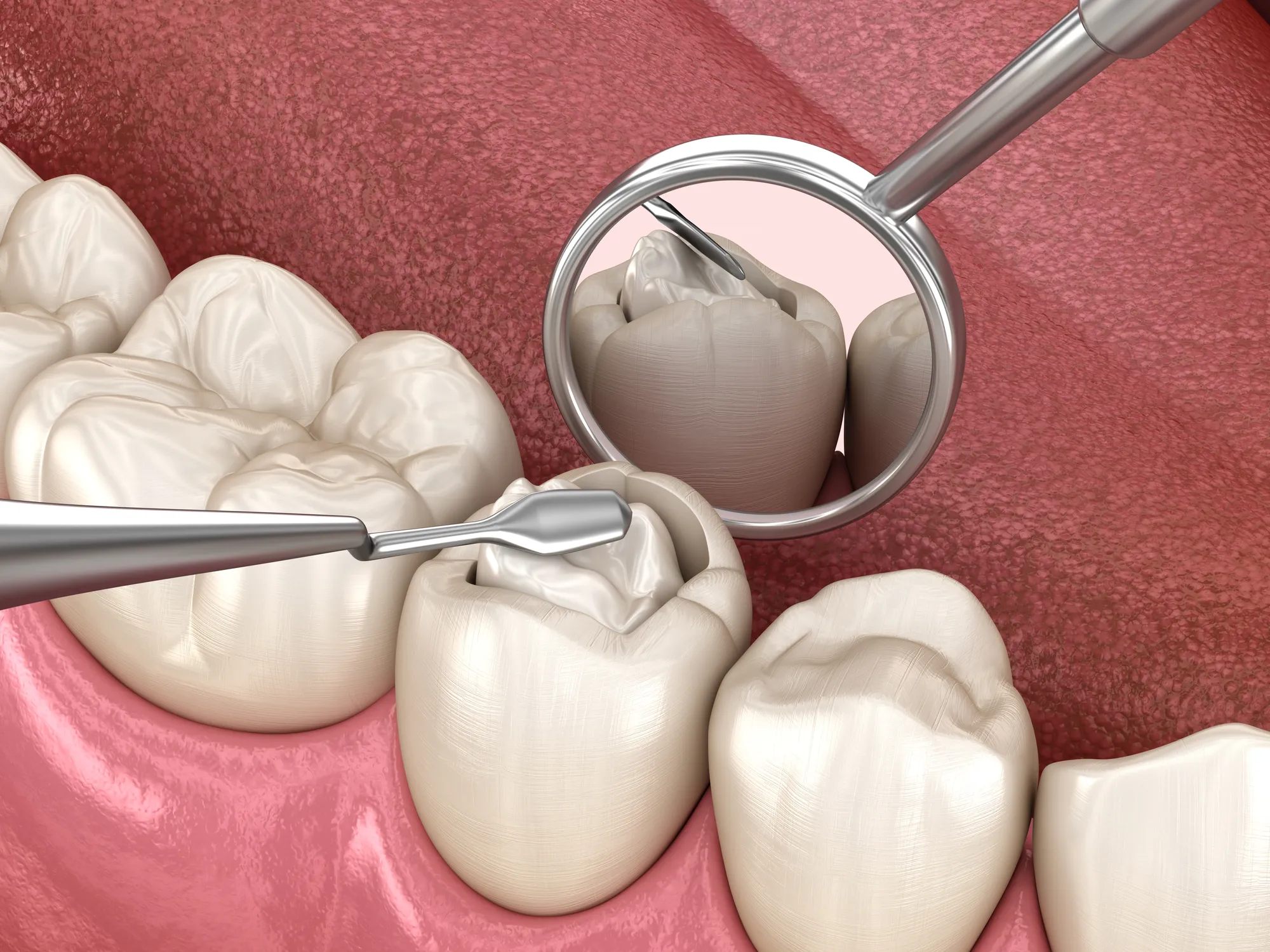
What Is a Dental Filling?
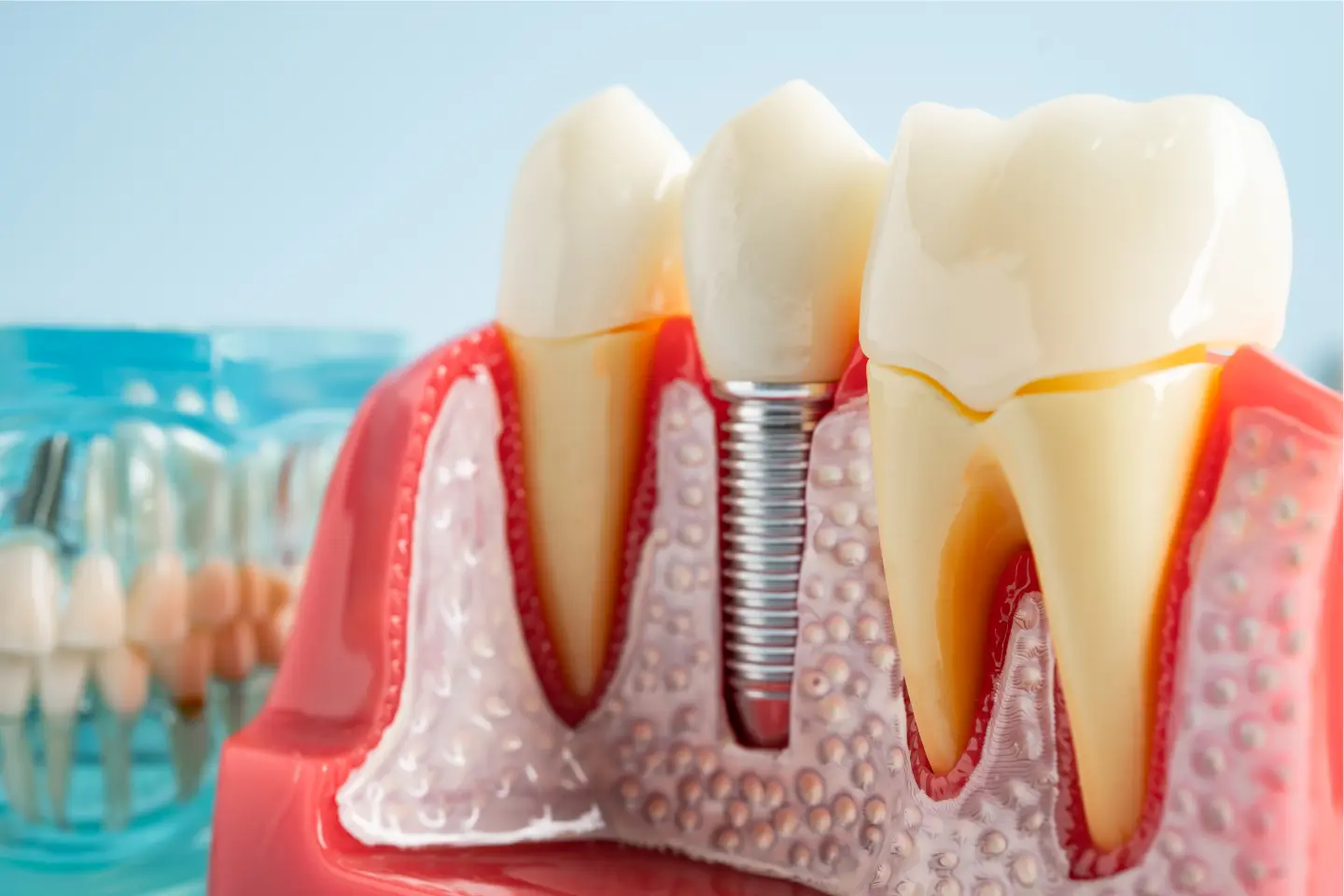
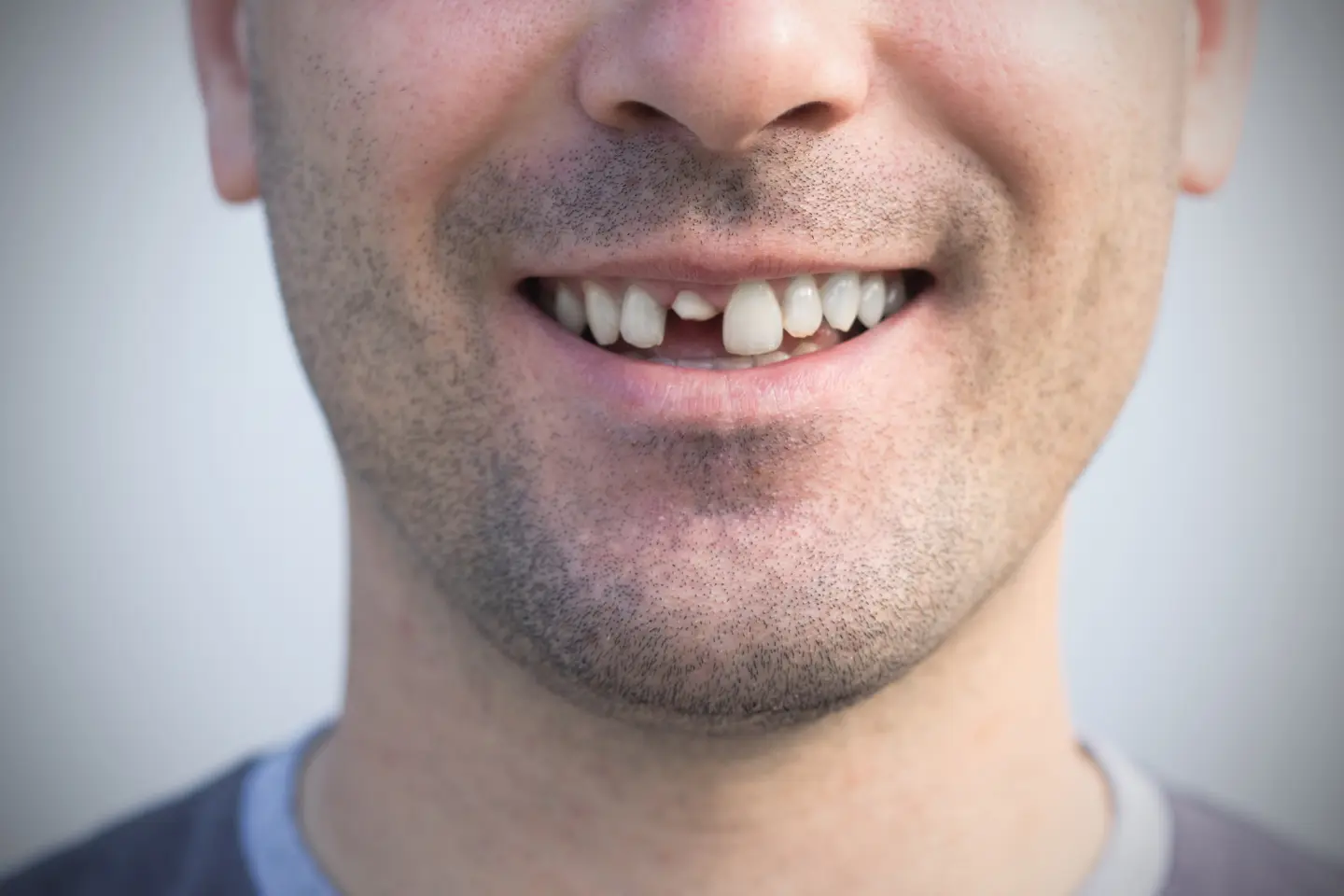
A dental filling is a replacement for part of a missing tooth that has been damaged by decay, wear, or minor fractures. The main goal is to prevent bacteria from reaching the centre of the tooth (pulp) by “filling” the missing part. It also restores the tooth’s shape and strength.
A filling allows us to remove the damaged area and protect the tooth before more extensive treatment is needed.
Why the Type of Filling Matters
A healthy tooth has layers that work together to absorb pressure and stress. When decay weakens the tooth, this balance is disrupted. This is why teeth often need refilling throughout their lifetime. Each time a tooth is refilled, some natural tooth structure is inevitably lost.
Rather than simply filling the hole, our aim is to restore the tooth in a way that closely mimics how a natural tooth behaves. This biomimetic approach significantly reduces how often a tooth needs to be refilled over the course of a lifetime.
Biomimetic fillings are designed to:
- Bond strongly to the remaining tooth
- Distribute biting forces more evenly
- Reduce the risk of cracks and fractures
- Preserve as much healthy tooth structure as possible
We also provide traditional composite fillings and RMGIC fillings where clinically appropriate.
Silver / Metal Fillings (Amalgam)
We recommend all our patients consider replacing existing amalgam fillings where clinically appropriate, in line with EU guidance which has banned the use of dental amalgam from 1 January 2025, with the UK expected to follow suit by around 2030.
During the removal of amalgam restorations, we use rubber dam isolation, high volume suction, and clean removal techniques to ensure amalgam particles are safely captured and not swallowed or inhaled, protecting both the patient and the clinical environment.
Keeping Your Natural Tooth for the Long Term
Every tooth is worth preserving where possible. A well placed filling not only repairs current damage but also helps protect the tooth against future problems, reducing the risk of complications like root canals.
When done properly, fillings can last many years and allow you to keep your natural tooth strong, comfortable, and functional.
What to Expect During Treatment
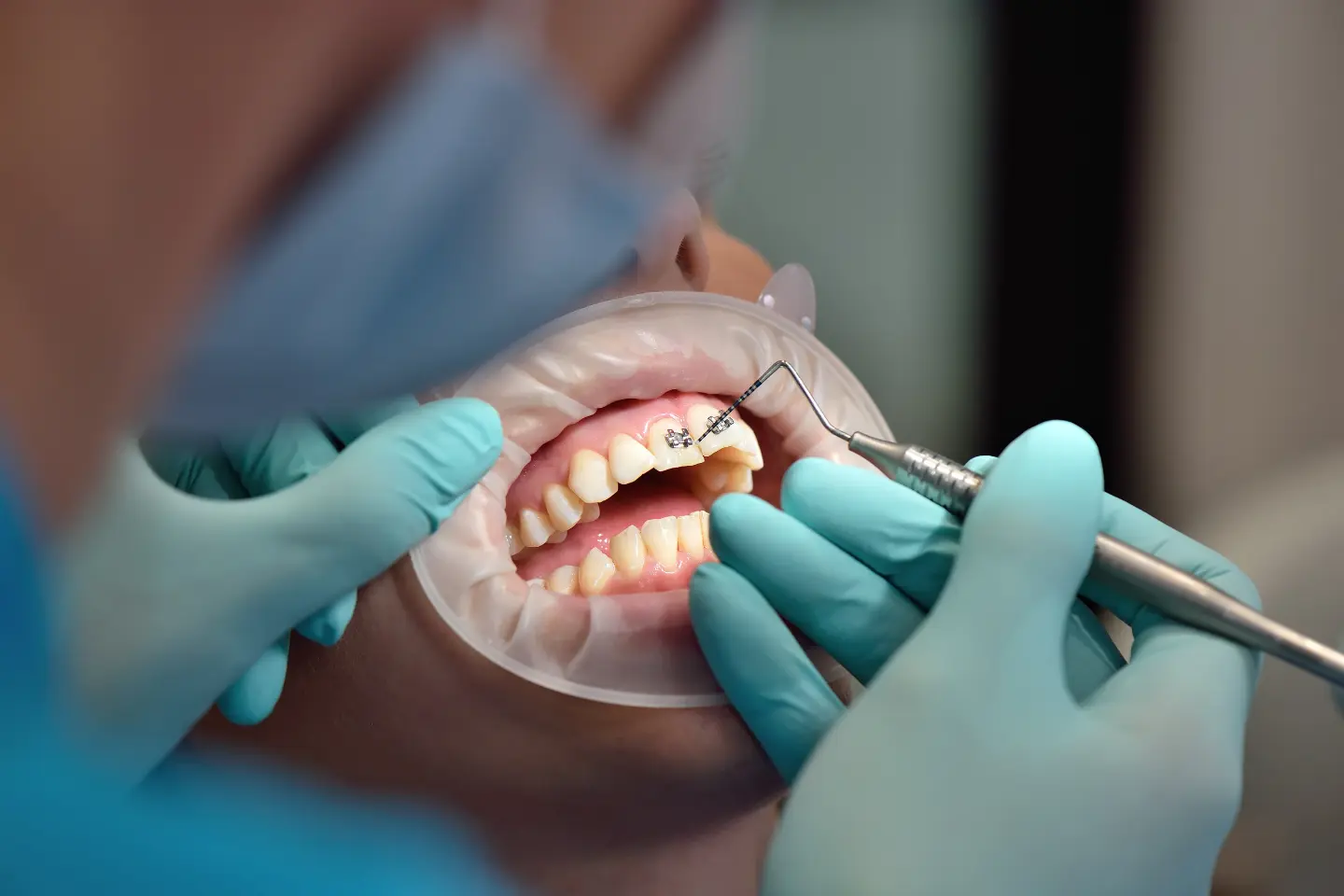
Most fillings are completed in a single appointment under local anaesthetic, so the area is fully numb before we begin. Decayed or damaged material is carefully removed, the tooth is cleaned and prepared, and the filling material is bonded into place in layers, then shaped and polished to match your natural bite. You'll be able to test your bite before leaving to make sure everything feels comfortable.
Frequently Asked Questions
Does getting a filling hurt?
No — the area is fully numbed beforehand, so most patients feel no more than a standard check-up.
How long does a filling take?
Most fillings are completed in a single appointment.
How long do fillings last?
With good oral hygiene and regular check-ups, a well-placed filling can last many years.
What are biomimetic fillings?
They're fillings built up in layers designed to bond strongly and flex like natural tooth structure, reducing the risk of future cracks.
Should I replace my old amalgam fillings?
We recommend considering it where clinically appropriate, in line with current guidance moving away from dental amalgam.
Will my filling match my tooth colour?
Yes — our fillings are tooth-coloured and shaped to blend naturally with the rest of your smile.
What happens if a filling isn't treated?
Untreated decay can progress deeper into the tooth, potentially leading to the need for root canal treatment or extraction.
Interested in Filling?
Meet the people who care


.png)





Stay updated with dental
wellness tips






.jpeg)
.jpeg)












.webp)
.png)