



.svg)

Cracked Tooth vs Chipped Tooth: How to Tell the Difference and What to Do
Most people assume that if a tooth still looks whole and doesn't hurt, it must be fine. Honestly, this is probably the biggest misconception we come across, and it's an understandable one. A chip is visible. A crack often isn't. You can run your tongue over a tooth a dozen times and feel nothing unusual, while underneath the surface a fracture line is slowly working its way deeper. This is exactly why so many people delay getting checked. And it's why some cracked teeth end up needing far more extensive treatment than they would have if caught early.
So let's clear this up properly. A chip and a crack are not the same problem. They don't behave the same way, and they don't carry the same level of urgency. Knowing which one you're dealing with (or at least knowing what to look out for) makes a real difference to how quickly you seek help and what your options end up being.
What Actually Separates a Chip from a Crack
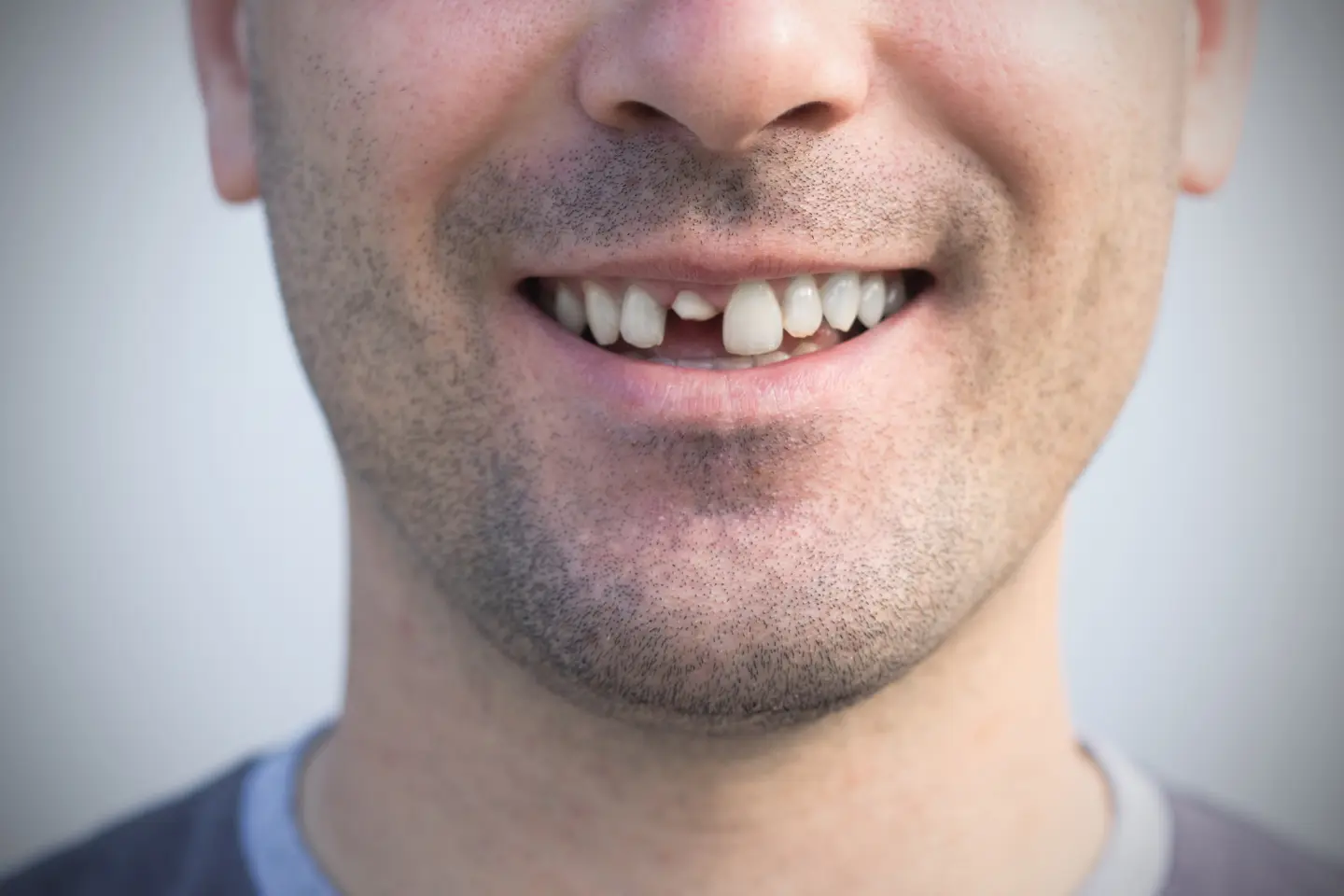
A chipped tooth involves a small piece of the enamel or tooth structure breaking away. You can usually see it. Sometimes you can even feel the missing edge with your tongue, and it might have happened after biting something hard, a small knock, or even just from a weak spot in an old filling. Chips are generally limited to the visible surface of the tooth. They don't usually extend down towards the root or nerve, which is part of why they tend to be more straightforward to sort out.
A crack is a different story. Cracks can be hairline thin and run vertically, horizontally, or diagonally through the tooth. Some stay confined to the enamel and cause no bother at all. Others extend down towards the root, and in more serious cases, right through the tooth. That puts the nerve, and the tooth's long-term survival, at risk. Here's the thing about cracks: they can sit there for months, sometimes longer, without producing any obvious symptoms.
Cracked Tooth Symptoms to Watch For
Because cracks aren't always visible, it helps to know what sensations might point to one. Common cracked tooth symptoms include a sharp pain when biting down, particularly on release rather than on the bite itself, sensitivity to hot or cold that comes and goes unpredictably, and occasional discomfort when eating that seems to move around rather than sitting in one obvious spot. Some people describe it as a brief zing of pain rather than a constant ache. Which is exactly what makes cracks so easy to dismiss as nothing serious.
Sound familiar? If you're noticing any of this, particularly if it's been happening on and off for a while, it's worth getting the tooth looked at even if there's nothing to see.
Why Chips Are Usually More Straightforward
Chipped tooth repair tends to be a more predictable process because the damage is contained and visible. Depending on the size of the chip, treatment might involve smoothing and polishing the edge, applying composite bonding to rebuild the shape, or fitting a crown if a larger portion of the tooth has broken away. The nerve is rarely involved in a chip. Because of that, these repairs are often completed in a single visit and don't tend to come with the same level of uncertainty that cracks can involve.
That said, even a small chip shouldn't be ignored. Sharp edges can irritate the tongue or cheek, and an untreated chip can weaken the tooth further, making it more vulnerable to a bigger break later on.
Why Cracks Need a More Careful Approach
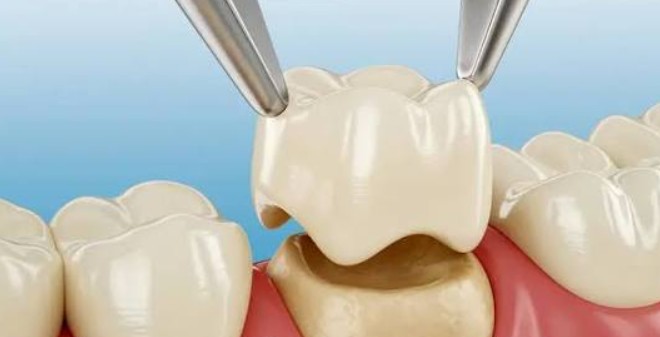
Cracks are assessed differently because so much depends on where the crack is, how deep it goes, and whether it's reached the nerve. Some hairline cracks in the enamel need nothing more than monitoring. Others require a filling or bonding to stabilise the area and stop the crack from spreading. If a crack has reached the pulp of the tooth, root canal treatment might be needed before a crown is placed to protect what's left of the tooth structure.
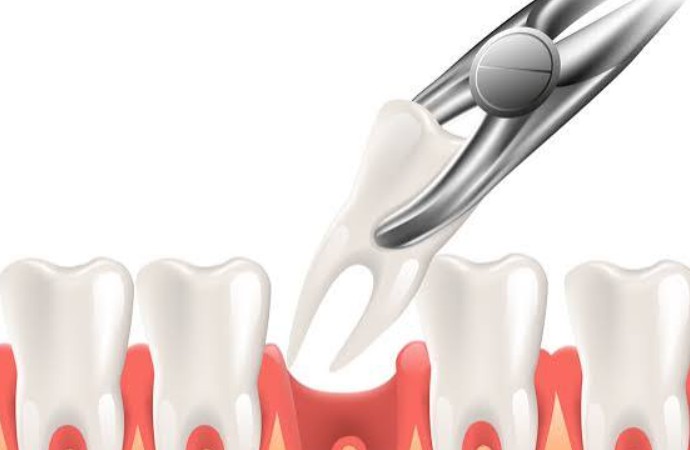
In more advanced cases, particularly where the crack extends below the gum line or splits the tooth into separate parts, extraction may end up being the only realistic option. This is why catching a crack early matters so much. A crack that's treated while it's still limited to the enamel has a very different outlook to one that's been left to progress for months.
What to Do Straight After Chipping or Cracking a Tooth
If you've just damaged a tooth, try to stay calm and take a few sensible steps. Rinse your mouth gently with warm water to clear away any debris. If there's swelling, a cold compress against the cheek can help. Avoid chewing on that side of your mouth. And steer clear of very hot, cold, or sugary foods until you've been seen, since these can trigger sharp discomfort in a compromised tooth.
If you can find a broken piece of tooth, keep it and bring it with you. It sometimes helps with assessment or repair. Try not to poke at the area with your tongue or fingers, tempting as it is (we get it, everyone does it), since this can introduce bacteria or cause further irritation.
When This Counts as a Dental Emergency
Not every chip or crack needs same-day attention, but some situations do. If you're in significant pain, if there's visible bleeding that won't settle, if the tooth feels loose, or if you can see or feel exposed nerve tissue, this counts as a dental emergency, and you should get in touch with a dentist as soon as possible. Swelling in the face or jaw alongside tooth pain is also something that shouldn't wait. It can point to infection.
Even when symptoms feel manageable, it's sensible to be seen within a day or two rather than waiting weeks. Left unchecked, both chips and cracks can worsen with ordinary chewing and biting. A simple fix has a habit of turning into a much bigger one when things go sideways.
Ready to Get Started?
If you've chipped or cracked a tooth, or you're simply not sure what you're dealing with, getting an assessment at Willerby Dental Care sooner rather than later gives you more options. Our dentist in Willerby, England, has a special interest in restorative dentistry and can talk you through what's going on with your tooth and what the sensible next steps look like. Get in touch to arrange an appointment and have things checked properly.
FAQs
Q: How can I tell if my tooth is cracked or just sensitive from something else?
A: Truth is, it's genuinely difficult to tell without an examination, since cracked tooth symptoms can mimic sensitivity from other causes like worn enamel or gum recession. If discomfort is localised to one tooth and comes on when biting or releasing pressure, a crack is worth ruling out.
Q: Can a chipped tooth heal on its own?
A: No. Tooth structure doesn't regenerate once it's broken away. The chip itself won't get better with time, though small chips can sometimes be left as they are if they're not causing sensitivity or sharp edges, following an assessment.
Q: Is chipped tooth repair painful?
A: Most chipped tooth repair, such as bonding or smoothing, is quick and comfortable, often without any need for local anaesthetic. Larger repairs involving a crown may need numbing, but this is standard and well managed.
Q: What happens if a cracked tooth is left untreated?
A: An untreated crack can deepen over time with normal biting pressure, potentially reaching the nerve or extending below the gum line. This can lead to infection, increased pain, and a reduced chance of saving the tooth.
Q: Should I go to A&E or a dentist for a cracked or chipped tooth?
A: Unless there's heavy bleeding, facial swelling, or signs of a broader injury, a dental emergency involving a chipped or cracked tooth should go to a dentist rather than A&E. They're better equipped to assess and treat the tooth itself.
Still have questions?
Stay updated with dental
wellness tips






.jpeg)
.jpeg)











.webp)
.png)