Dental Bridges vs Implants: Which Option Is Better for Replacing a Missing Tooth?
Losing a tooth can knock your confidence more than you might expect. Maybe it happened after an accident, or an extraction that was a long time coming. Either way, there's now a gap, and a decision to make. Two of the most common routes for replacing a missing tooth are a dental bridge and a dental implant. Both can work well, and neither is the right answer for everyone. Here's a down-to-earth look at dental bridges vs implants, so you can walk into a conversation with your dentist feeling a bit more prepared.
Why Does Replacing a Missing Tooth Matter?
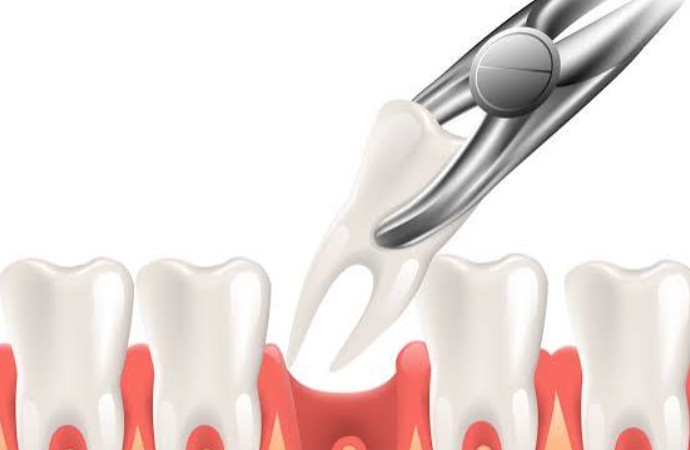
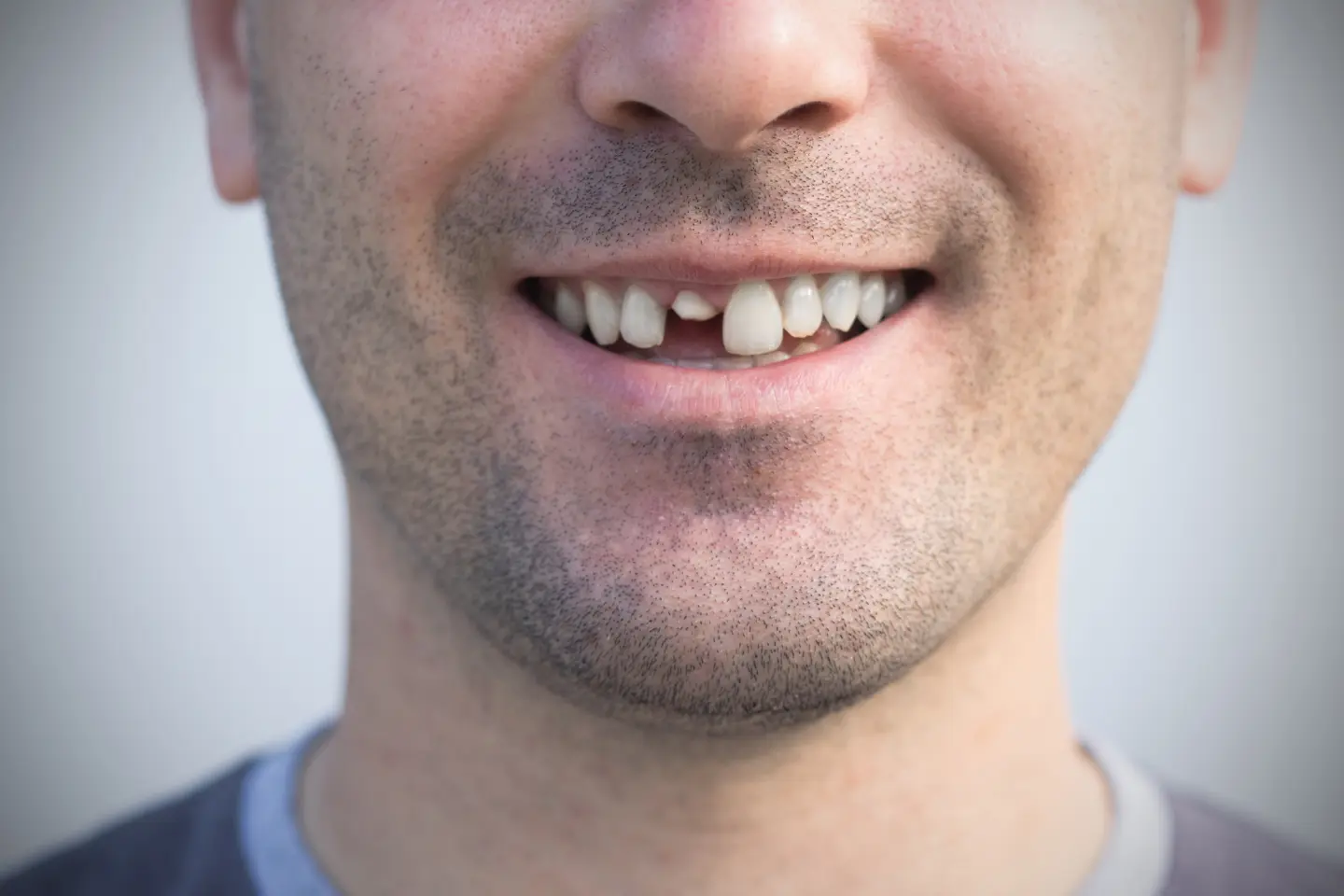
It's tempting to leave a gap alone, especially if it's towards the back where nobody sees it. But teeth rely on each other. When one is lost, neighbouring teeth can slowly tilt or drift into the space, and the tooth opposite may start to move too. Your bite can change, chewing may become less comfortable, and food can get trapped more easily.
There's another factor many people don't hear about. When a tooth root is no longer there, the jawbone in that area can gradually shrink over time. That doesn't happen overnight, and it varies from person to person, but it's one reason dentists encourage people to talk through tooth replacement options sooner rather than later.
What Is a Dental Bridge and How Does It Work?
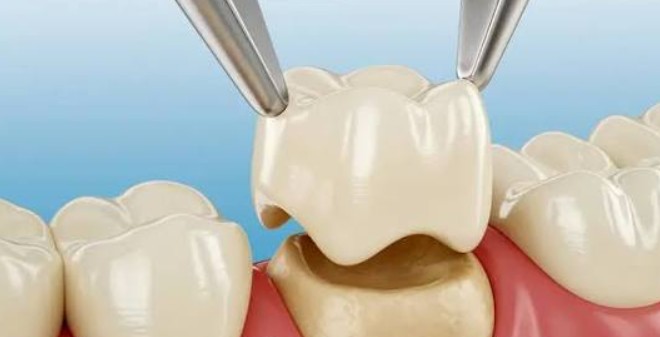
A dental bridge does what the name suggests. It spans the gap using one or more artificial teeth, held in place by crowns on the teeth either side. Those neighbouring teeth are called abutment teeth.
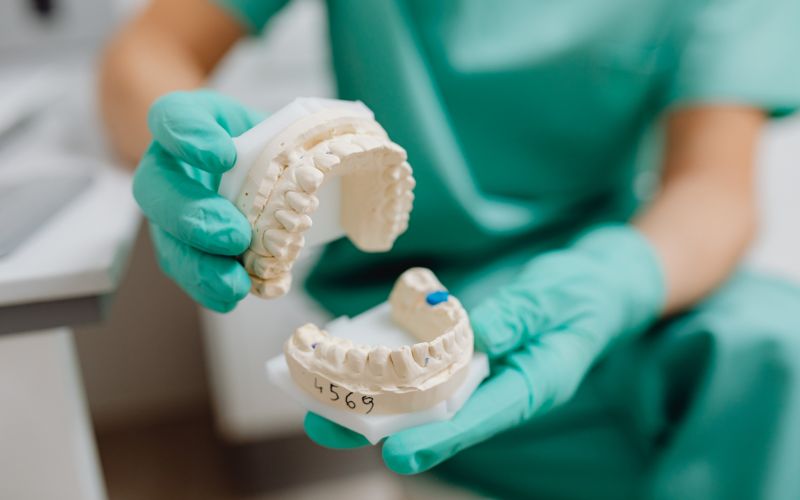
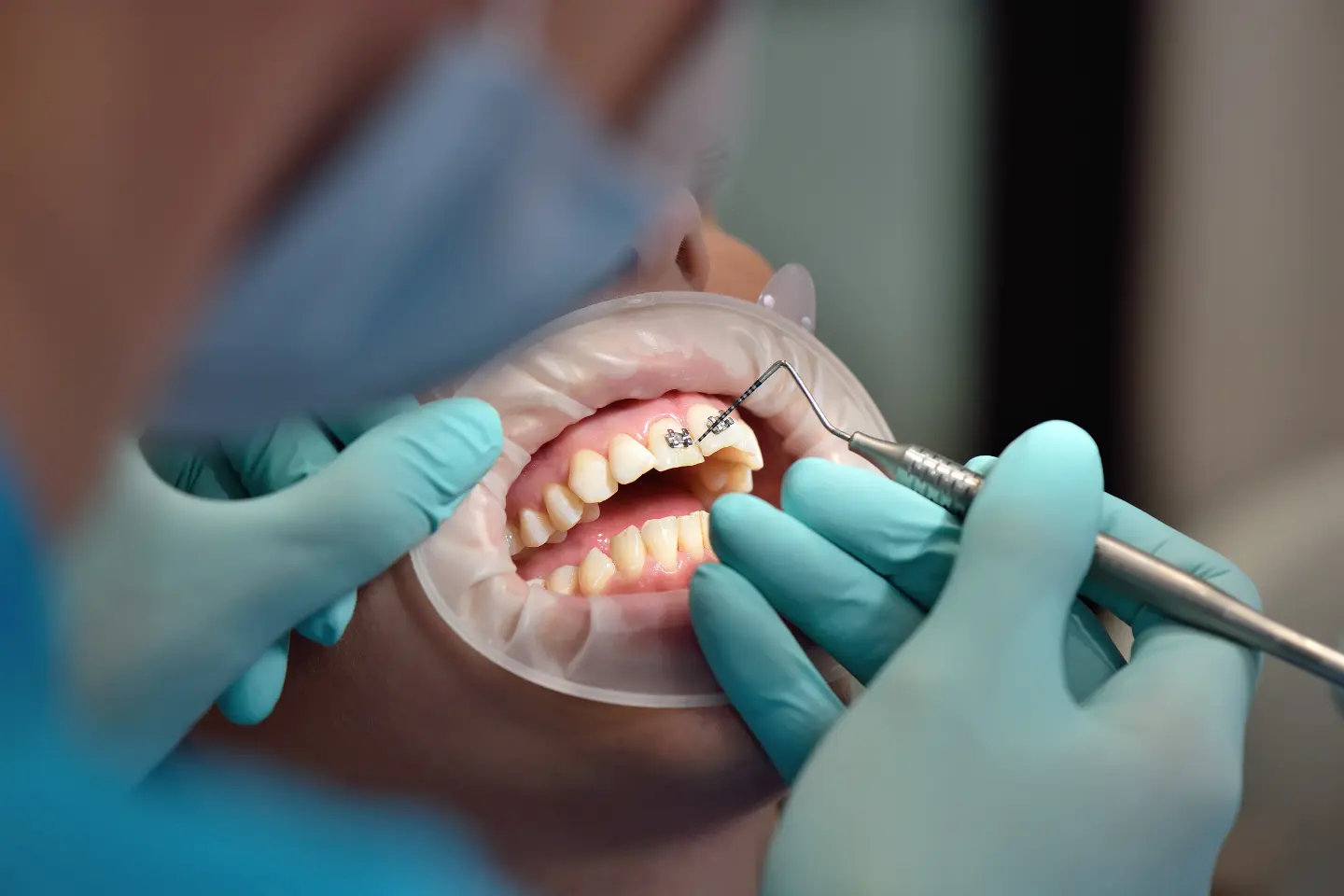
To place a traditional bridge, your dentist usually needs to reshape the adjacent teeth so crowns can fit over them. An impression or scan is taken, a bridge is made in a laboratory, and it's then fitted and cemented in place. A temporary version may be worn in the meantime.
There are other types, including cantilever bridges, which are supported on one side only, and resin-bonded bridges, which use small wings attached to the back of neighbouring teeth. Which one is suitable depends on where the gap is and the condition of the teeth around it.
What Are Dental Implants and How Are They Placed?
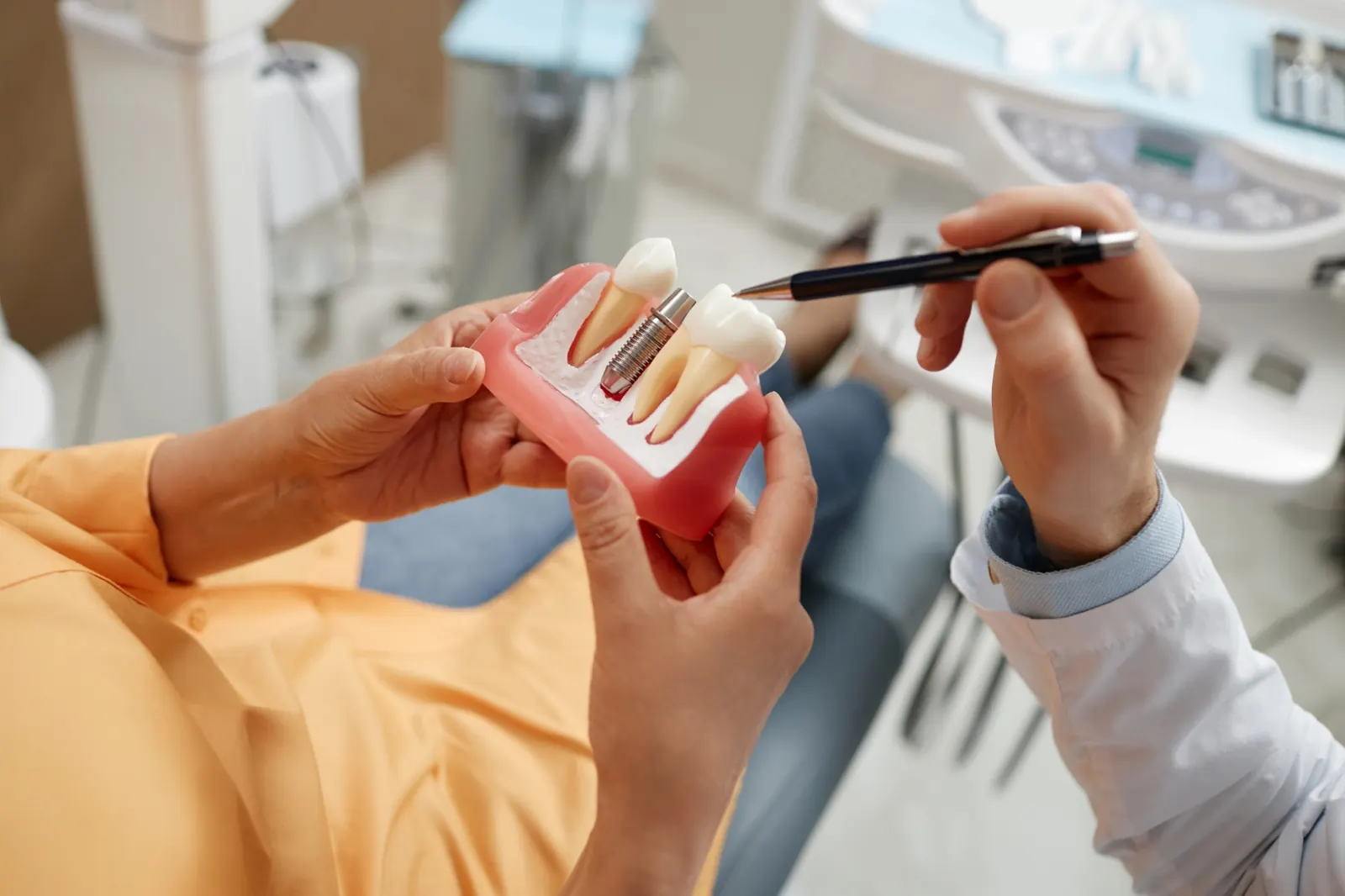
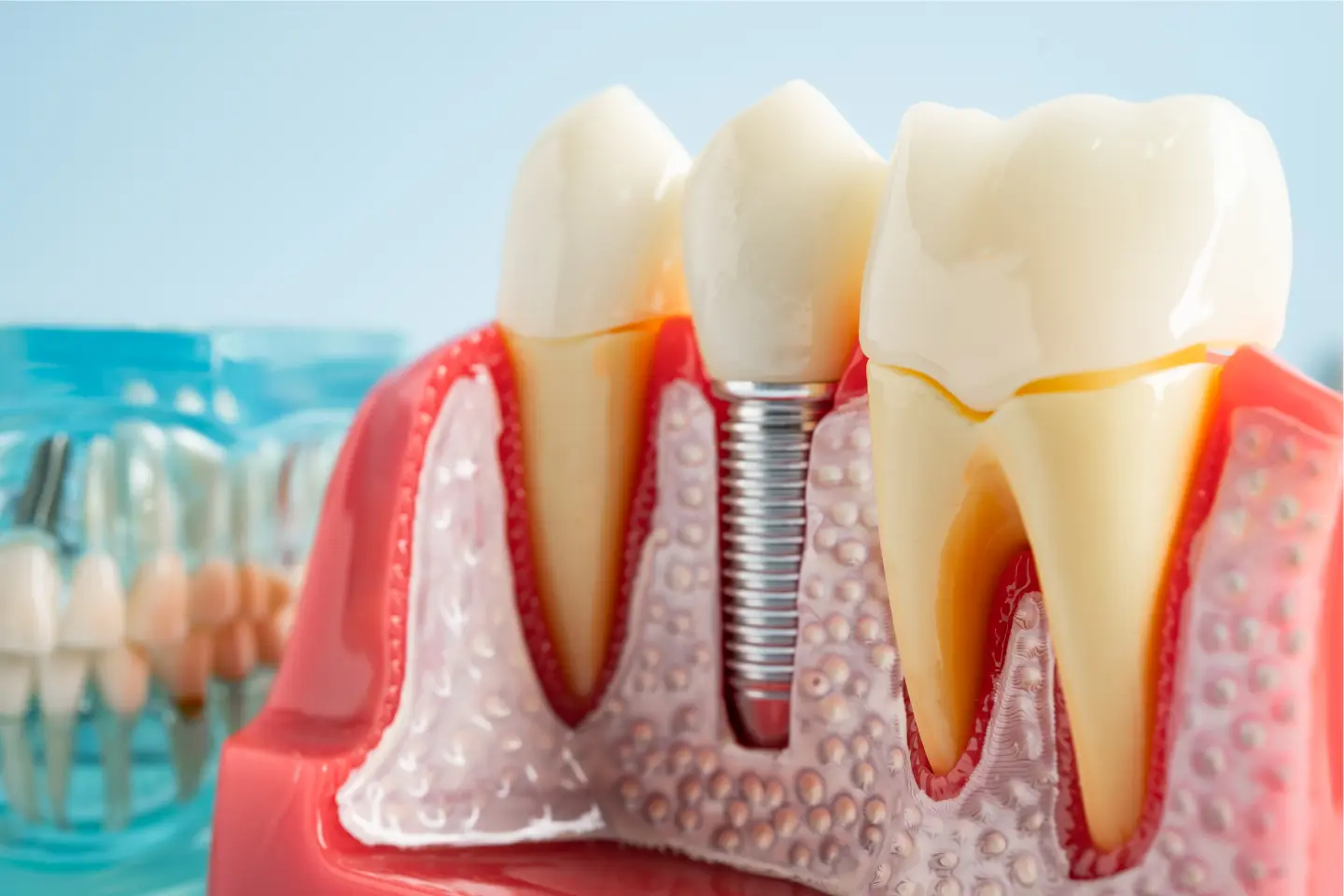
A dental implant is a small titanium or ceramic post that's placed into the jawbone, where it acts as a replacement for the tooth root. Over a period of months, the bone usually bonds with the implant. Once that has happened, a crown, bridge or denture can be attached to it.
The process is generally done in stages. There's an assessment first, often with X-rays or a 3D scan, followed by the placement itself, usually under local anaesthetic. After a healing period, the final restoration is fitted. It's a longer journey than a bridge in many cases, and it does involve a minor surgical procedure. Not everyone is a suitable candidate, and your dentist will check your general health, gums and jawbone before recommending it.
Dental Bridges vs Implants: How Do They Compare Side by Side?
Here's a quick way to think about the main differences.
- Treatment time: A bridge can often be completed in a few weeks. Implants usually take several months because of the healing phase.
- Effect on neighbouring teeth: A traditional bridge needs healthy teeth to be reshaped. An implant stands alone and doesn't rely on adjacent teeth.
- Jawbone: An implant sits in the bone and may help stimulate it. A bridge sits above the gum, so the bone beneath the gap isn't directly supported in the same way.
- Surgery: Bridges don't require surgery. Implants do, though many patients find the experience more manageable than they expected.
- Cleaning: Both need good oral hygiene. Bridges require special cleaning underneath, and implants need careful cleaning around the gum line.
- Longevity: Both can last for many years, but there's no guarantee for either. Bridges often last somewhere in the region of 10 to 15 years, and implants may last longer with good care, though results vary.
- Cost: Bridges often cost less upfront. Implants can cost more initially but may be seen as a longer-term investment by some patients. Your dentist can give you a clear breakdown.
Which Is Better for Replacing a Missing Tooth: A Bridge or an Implant?
If you're hoping for a straight answer, here it is: it depends. That might sound unsatisfying, but it's honest.
A bridge might be worth considering if the teeth on either side already have large fillings or crowns, if you'd like a quicker treatment, or if surgery isn't suitable for you for health reasons.
An implant might be a better fit if the neighbouring teeth are healthy and you'd rather not alter them, if you have enough jawbone, and if you're comfortable with a longer treatment timeline.
What matters most is your own mouth. Your gums, your bone, your general health, your budget and your preferences all play a part. A thorough examination is the only way to find out which option makes sense for you.
Who May Not Be Suitable for Dental Implants or Bridges?
Neither option suits everyone. Dental implants may not be recommended, at least at first, for people with uncontrolled gum disease, certain medical conditions, heavy smoking habits or insufficient bone. In some cases, bone grafting can be considered to build up the area first.
Bridges may be less suitable when the neighbouring teeth are weak, decayed or have gum problems, because those teeth have to support the extra load. If there's no tooth next to the gap, a traditional bridge may not be possible at all.
Your dentist will go through all of this during your assessment, and it's perfectly fine to ask why a particular option is or isn't being suggested.
How Do You Look After a Bridge or Implant?
Whichever you choose, aftercare is a big part of how well it holds up.
- Brush twice a day: Use fluoride toothpaste and take your time around the restoration.
- Clean between and under: Interdental brushes, floss threaders or water flossers can help reach the spots a toothbrush can't.
- Keep your check-ups: Regular visits let your dentist spot early problems with the restoration or the gums around it.
- Be careful with hard foods: Things like ice and hard sweets can put unnecessary stress on bridges and crowns.
- Avoid smoking: It can affect healing and gum health, which matters for both options.
Talk to Willerby Dental Care About Replacing a Missing Tooth
If you're weighing up dental bridges vs implants, you don't have to work it out alone. The team at Willerby Dental Care can examine your teeth, explain your options and help you find the approach that suits your mouth, your lifestyle and your budget.
Whether you're leaning towards a dental bridge, curious about implants or simply not sure where to start, Willerby Dental Care is here to listen.
Willerby Dental Care welcomes patients from Willerby, Hull, Brough and Swanland. Get in touch to discuss your smile and arrange a consultation.
FAQs About Dental Bridges vs Implants
Q: Can I have an implant instead of a bridge if I've already lost the tooth?
A: Often, yes, provided you have enough healthy bone and gum tissue. Your dentist will assess this with an examination and imaging before suggesting a plan.
Q: Which lasts longer, a dental bridge or an implant?
A: Implants may last longer than bridges in many cases, but lifespan depends on your oral hygiene, habits and general health. Neither option comes with a guarantee.
Q: Is getting a dental implant painful?
A: The area is numbed during placement, so most people feel pressure rather than pain. Some soreness afterwards is common, and over-the-counter pain relief may help if it's suitable for you.
Q: Does a dental bridge damage the teeth next to it?
A: A traditional bridge involves reshaping the neighbouring teeth to fit crowns, which can't be undone. That's why it's important to talk through the pros and cons first.
Q: How soon can I get a replacement after a tooth is removed?
A: It varies. Some people have an implant placed sooner, while others need a period of healing first. Your dentist will advise on timing based on your situation.
Still have questions?
Stay updated with dental
wellness tips