



.svg)

How to Protect Your Teeth If You Grind Them at Night
Most people who grind their teeth at night think there's nothing to be done until the damage is already sitting there staring back at them in the mirror. That's probably the biggest misconception we hear. And it puts people off seeking help sooner than they should. Truth is, it's quite different. Bruxism (the clinical term for grinding and clenching) can be managed, and the effects on your teeth can often be reduced significantly with the right approach. You're not just waiting around for cracked teeth or worn enamel to catch up with you. There are practical steps that make a genuine difference. Understanding what's happening in your mouth at night is the first part of taking back some control.
Why Grinding Feels So Hard to Catch
One of the frustrating things about bruxism is that it happens while you're asleep. So you have no direct awareness that it's even occurring. Many people tell us they had no idea they were grinding until a partner mentioned the noise, or until a dentist spotted the signs during a routine checkup. This is part of why bruxism symptoms get missed for months, sometimes years. Unlike a toothache, which tells you something's wrong straight away, grinding works quietly. And gradually.
Common Bruxism Symptoms to Watch For
A few signs tend to show up consistently in people who grind at night. A dull, aching jaw when you wake up is one of the most frequent complaints. Some notice tension headaches, particularly around the temples, first thing in the morning. Jaw pain from grinding can also show up as soreness when chewing, or a clicking sound when you open your mouth wide. You might notice your teeth look slightly shorter or flatter than they used to, or spot small chips along the edges of your front teeth. Increased sensitivity to hot or cold can be a clue too, since grinding gradually wears down the protective enamel layer.
Sound familiar? Worth flagging at your next dental appointment rather than waiting for something more obvious to develop.
What Grinding Actually Does to Your Teeth Over Time
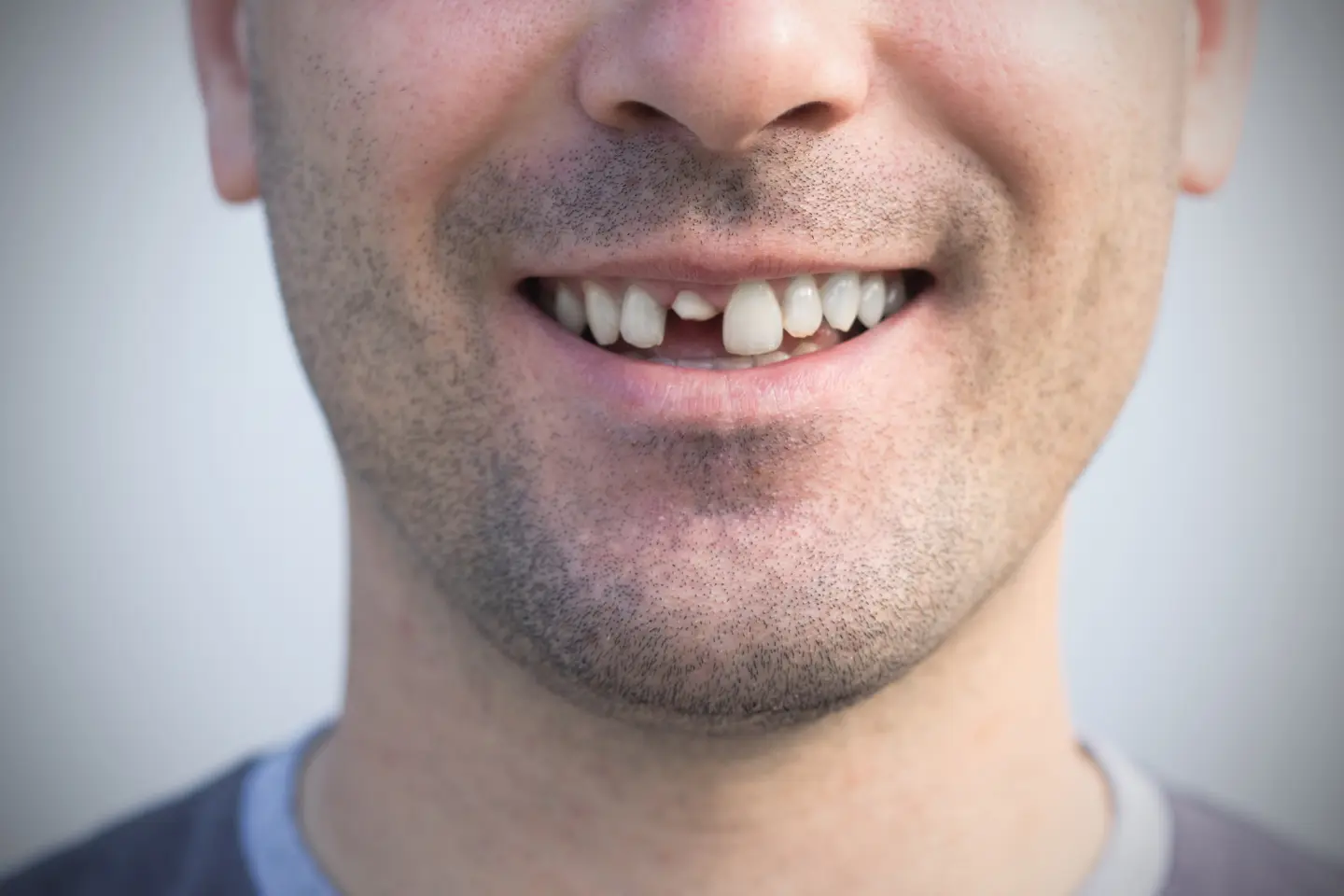
Teeth are strong. But they're not built to withstand the sustained pressure that comes with clenching or grinding, especially over hours of sleep. The forces involved in bruxism are often far greater than anything involved in normal chewing. Over months and years, this can lead to worn enamel, increased sensitivity, small cracks, and in more advanced cases, fractured teeth or loosened fillings. The jaw joint itself (the temporomandibular joint) can also become strained, and that's often where morning jaw pain from grinding starts.
None of this happens overnight. Which is exactly why early intervention matters. Catching the signs early gives you a much better chance of protecting your natural teeth and avoiding more involved treatment later on.
Practical Ways to Protect Your Teeth
Night Guards Remain a Central Part of Management
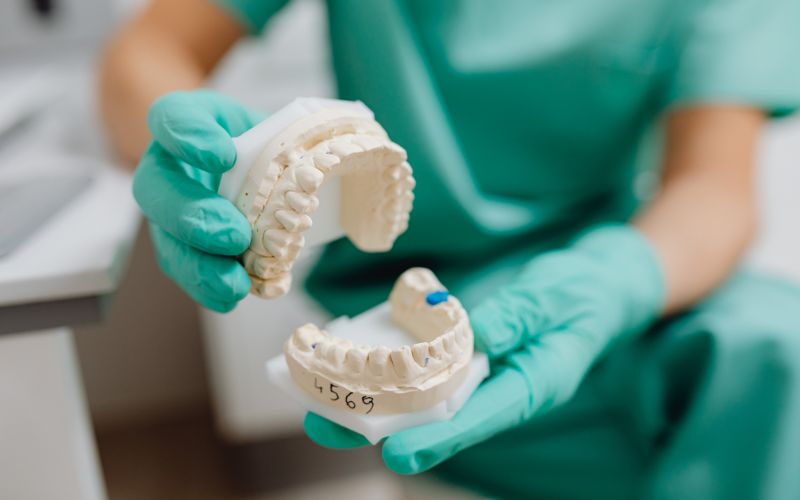
A night guard for teeth grinding is one of the most commonly recommended tools out there, and for good reason. A properly fitted guard creates a physical barrier between your upper and lower teeth, absorbing the pressure of grinding so it doesn't wear directly on the enamel. Custom-made guards, fitted by a dentist based on an impression of your own teeth, tend to sit more securely and comfortably than generic versions bought over the counter. This matters because a guard that doesn't fit well can shift during the night, or feel uncomfortable enough that you stop wearing it altogether.
Here's the thing though: a night guard doesn't stop the grinding itself. What it does is protect the tooth surfaces from direct wear, which can meaningfully slow the damage down over time.
Addressing Stress and Habits During the Day
Bruxism is frequently linked to stress, anxiety, or tension that builds up during the day and then plays out subconsciously at night. We can't promise reducing stress will stop grinding altogether. But many people notice some improvement when they build in small changes, like regular exercise, cutting caffeine in the afternoon and evening, or practising relaxation techniques before bed. Some people also grind or clench during the day without realising it, particularly when concentrating hard or under pressure. Simply becoming aware of daytime clenching and consciously relaxing your jaw can help take some of the strain off.
Looking at Sleep Position and Habits
Some people find sleep position plays a role, with grinding sometimes more pronounced when sleeping on the back. Not the case for everyone. But it's worth paying attention to. Keeping a consistent sleep routine and avoiding alcohol close to bedtime (which can affect muscle activity while you sleep) may also help reduce episodes for some.
Regular Dental Checkups
Routine visits let us monitor changes in your teeth over time and adjust your management plan if needed. Wear patterns shift. Guards need replacing as they age. And jaw pain from grinding can sometimes point to other underlying issues that benefit from a broader look. Regular monitoring means small issues get sorted while they're still small.
When to Seek Further Support
If jaw pain is persistent, if you're getting frequent headaches, or if you notice new sensitivity or visible damage to your teeth, book an appointment rather than waiting to see if things sort themselves out. Easier said than done when life's busy, we know. In some cases, a broader assessment of your bite or jaw function may be recommended, particularly if the grinding seems connected to ongoing muscle tension or joint discomfort.
Ready to Get Started?
If you recognise any of the bruxism symptoms mentioned here, or you already know you grind your teeth and want to protect them properly, our team at Willerby Dental Care is here to help. We can assess your teeth and jaw, talk through whether a night guard for teeth grinding would suit your situation, and put together a plan based on what's actually happening in your mouth, not a generic template. If you're near Willerby, England, get in touch to arrange a consultation and take the first step towards protecting your teeth for the long term.
FAQs
Q: What causes teeth grinding at night?
A: Bruxism can be linked to several factors, including stress, anxiety, an irregular bite, or certain sleep patterns. In many cases, it's a combination rather than one single cause, which is why management often looks at both dental protection and lifestyle habits together.
Q: How do I know if I need a night guard?
A: If you're waking up with jaw soreness, headaches, or you've noticed new wear or sensitivity on your teeth, a night guard may be worth discussing with your dentist. A dental assessment can confirm whether grinding is happening and how far the wear has gone.
Q: Can children grind their teeth too?
A: Yes, it's fairly common in children and often improves on its own as they get older. Still worth mentioning to your dentist so it can be kept an eye on.
Q: Are over-the-counter mouth guards a suitable alternative to custom ones?
A: They can offer some short-term protection. But they often don't fit as securely as a custom guard made from an impression of your own teeth. A poor fit can affect comfort and how consistently the guard actually gets worn.
Q: Will treating my jaw pain stop the grinding completely?
A: Not necessarily. Treatment tends to focus on managing symptoms, protecting your teeth, and reducing what's contributing to it, stress being the big one. Complete resolution varies from person to person, which is why ongoing monitoring is such a helpful part of managing bruxism long-term.
Still have questions?
Stay updated with dental
wellness tips






.jpeg)
.jpeg)










.webp)
.png)