



.svg)

Cracked Tooth? Here’s How Biomimetic Dentistry Can Restore It Naturally
Cracked Tooth? Here’s How Biomimetic Dentistry Can Restore It Naturally
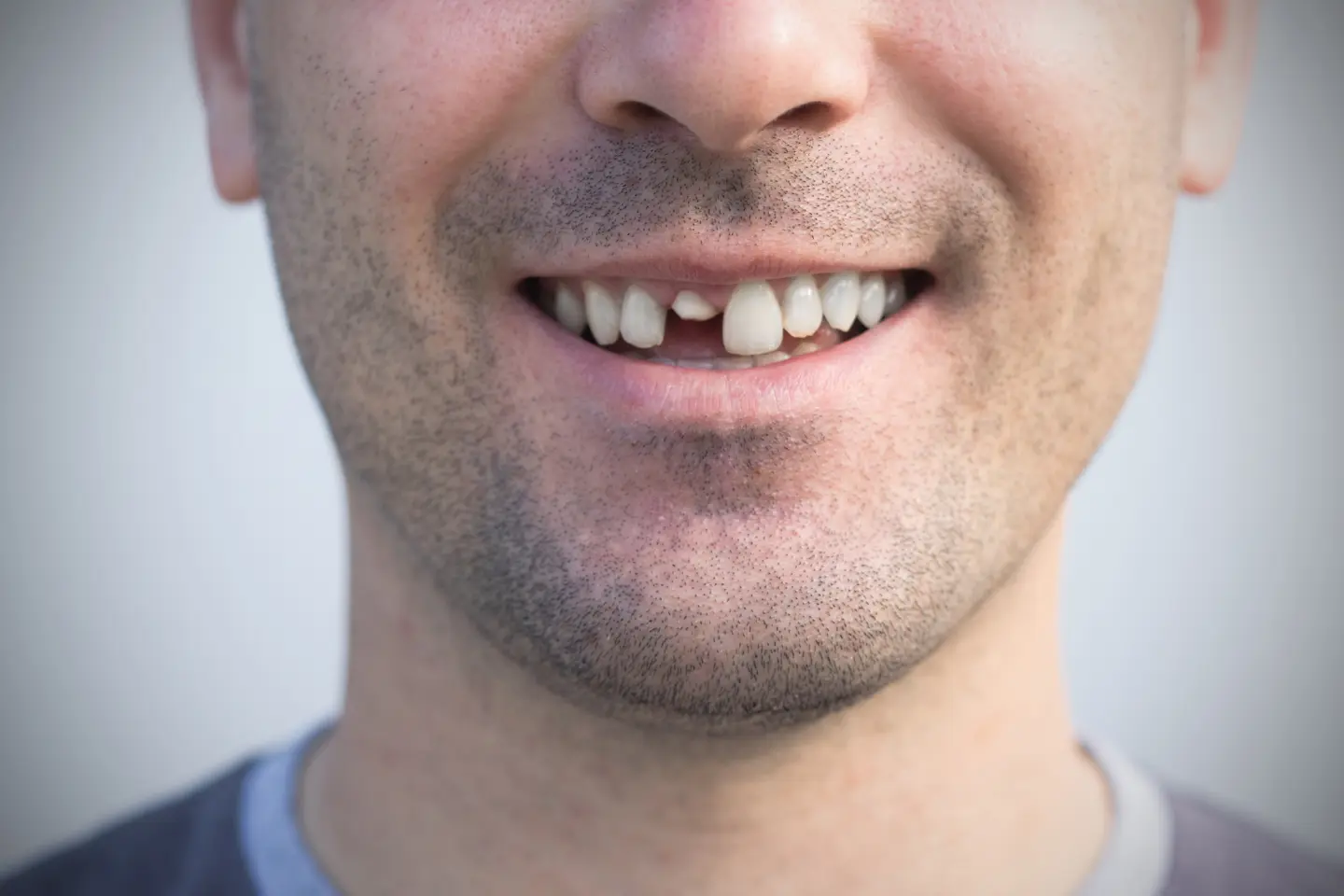
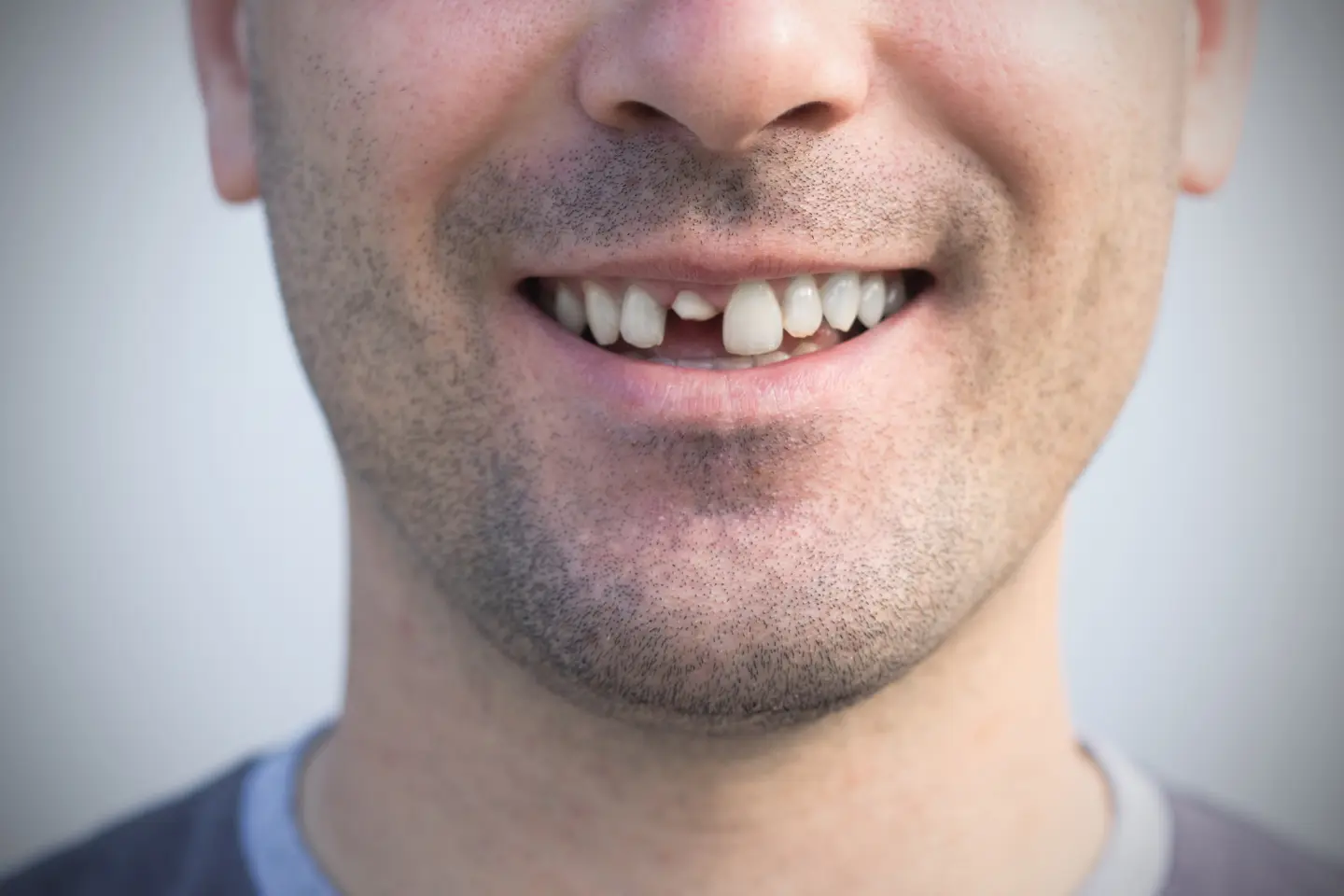
A cracked tooth often starts with a tiny warning that is easy to miss. You might feel a sharp zing when you bite into something crunchy or a quick flash of pain when you sip a cold drink. A lot of people try to ignore these little signs, hoping the ache will just go away on its own. But the truth is that teeth cannot heal themselves. Once a crack starts, it usually gets deeper and more painful over time.
For years, the standard way to fix a broken tooth was to grind it down into a small peg and cover it with a large cap, or crown. While that still works, modern dentistry has found a much gentler way. Biomimetic dentistry is a fresh approach that focuses on fixing your tooth by copying the way nature built it. Instead of cutting away large amounts of healthy enamel, this method saves as much of your natural tooth as possible.
If you have been told you need a crown or you are worried about a hidden crack, it is worth looking into how these natural repairs work. It could save you from more invasive and expensive dental work in the future.
What Are the Most Common Causes of a Cracked Tooth?
Our teeth are incredibly strong, but they aren't meant to handle everything we throw at them. Daily habits and years of use can eventually cause the structure of a tooth to give way.
Typical reasons why teeth crack include:
- Biting Hard Objects: Chewing on ice, unpopped popcorn kernels, or hard sweets.
- Grinding and Clenching: Pressing your teeth together at night puts massive stress on the enamel.
- Large Old Fillings: Old silver fillings can act like a wedge, weakening the tooth walls until they eventually split.
- Accidents: A sudden knock to the mouth or a fall.
- Temperature Shocks: Moving quickly between very hot and very cold foods.
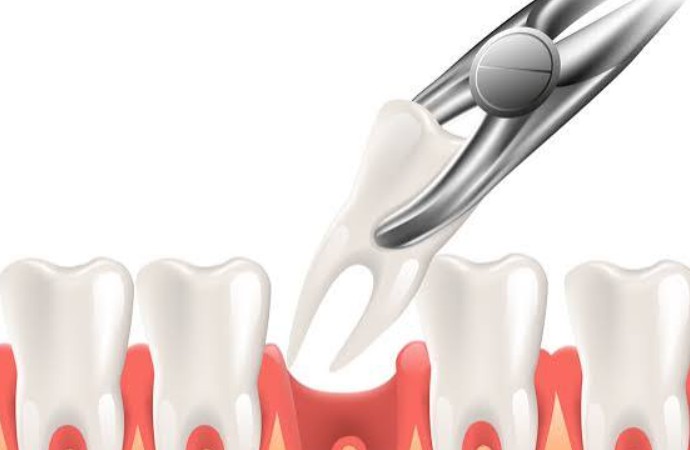
Some cracks are easy to spot, but many stay hidden under the surface. You might feel pain that comes and goes, which makes it tempting to put off a trip to the dentist. However, waiting is a big risk. If a crack reaches the soft nerve in the middle, you might end up needing a root canal or having the tooth pulled. Catching it early means you can fix it with a much simpler, more natural repair.
How Biomimetic Dentistry Restores Teeth Without Heavy Drilling
The word biomimetic basically means copying what is found in nature. In the dental world, this means using materials and glues that act exactly like your real tooth.
Standard dentistry often involves cutting away a lot of healthy tooth just to make room for a bulky restoration. Biomimetic dentistry is different. It treats your tooth as a living structure that needs to be preserved. Instead of just covering up the damage, the dentist uses advanced bonding techniques to "glue" the tooth back together.
This method is perfect for cracked teeth because it builds up strength from the inside out. By using materials that flex and move just like your natural enamel, the repair stays solid without putting extra pressure on the rest of your mouth. It is a way of fixing what is broken without destroying what is still healthy.
Is Biomimetic Dentistry a Good Alternative to Dental Crowns?
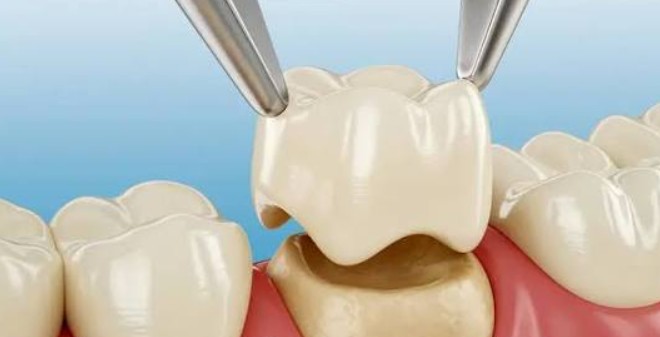
Many people are now looking for ways to avoid getting a full crown if they can help it. To fit a traditional crown, a dentist often has to shave off more than half of your natural tooth. While crowns are sometimes necessary, they can be a bit extreme for a simple crack or a chip.
Biomimetic dentistry offers a much more conservative choice. By adding to the tooth rather than cutting it away, you get to keep your own enamel.
The benefits of choosing this path include:
- Saving Your Enamel: Your own tooth is always better and stronger than a fake one.
- A Natural Feel: These repairs move with your tooth, so they don't feel like a heavy "lump" when you chew.
- Less Sensitivity: Since the dentist doesn't have to drill as deep, your teeth are often much less sensitive after the work is done.
- Better Long-Term Health: Saving the natural structure of the tooth often means you are less likely to need a root canal down the road.
How Do Dentists Find and Diagnose a Cracked Tooth?
One of the trickiest things about a cracked tooth is that the crack doesn't always show up on a standard X-ray. Cracks are often vertical or hidden behind old metal fillings.
To figure out if your tooth is cracked, a dentist will usually use a few simple tests:
- The Bite Test: You will be asked to bite down on a small tool to see if it hurts when you let go of the pressure.
- Bright Lights: Shining a special light through the tooth can show where the light stops, pointing to a hidden crack.
- Magnification: Using high-powered glasses to look for tiny lines on the enamel.
- Dye Tests: Using a harmless stain that sinks into cracks to make them stand out.
Getting an accurate diagnosis is the first step in deciding if a natural repair will work for you or if you need something more heavy-duty.
What to Expect During Biomimetic Cracked Tooth Treatment
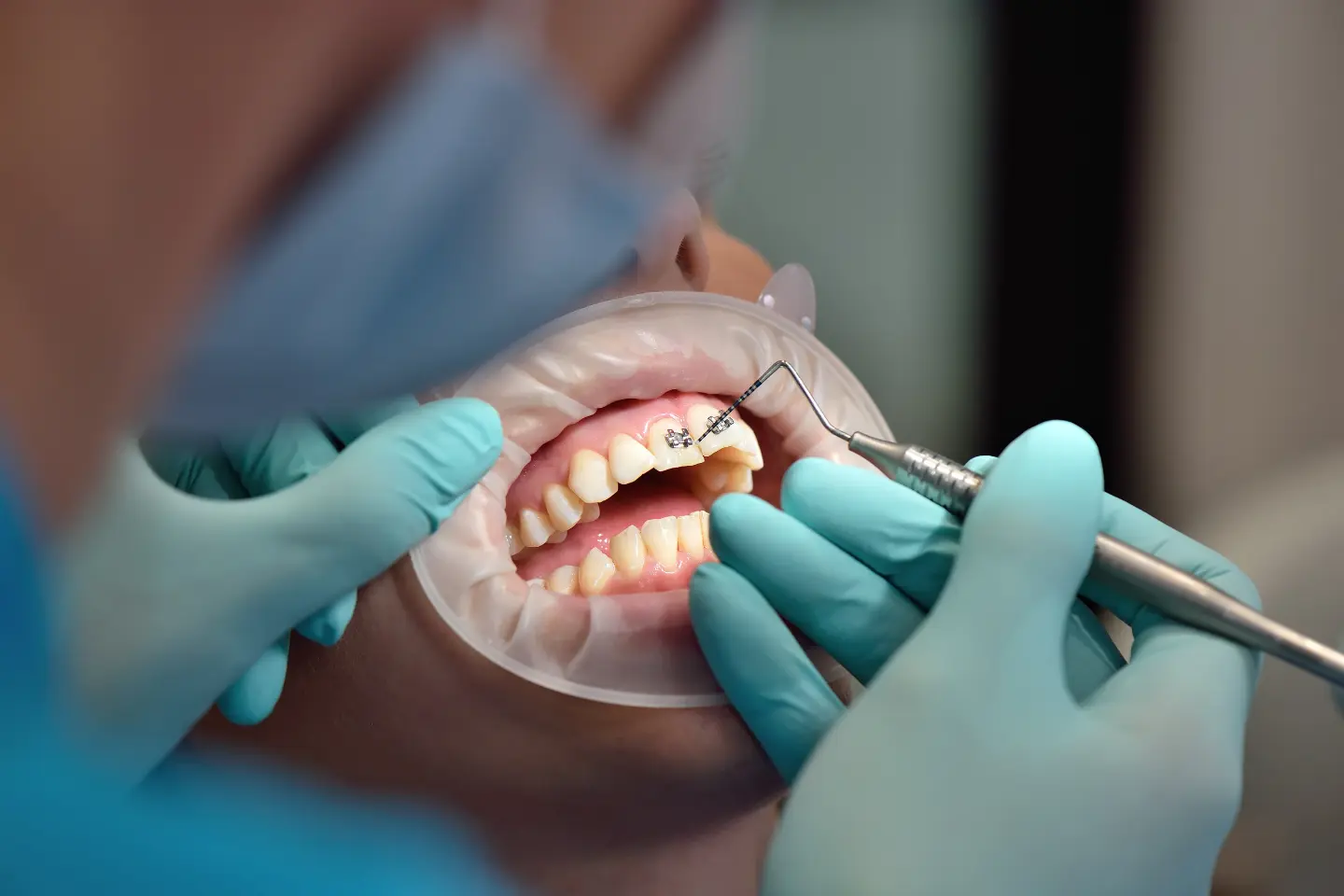
If you go ahead with a biomimetic repair, the process is very careful and precise. It is not just a quick filling; it is about rebuilding the tooth to its original strength.
- Removing the Damage: The dentist gently cleans away only the broken or decayed parts. Anything healthy is left alone.
- Sealing the Crack: Special resins are used to seal the crack so that sugar and bacteria can't get inside.
- Building in Layers: Instead of filling the hole all at once, the dentist adds very thin layers. This stops the material from shrinking and keeps the bond to the tooth very tight.
- Checking the Bite: The repair is shaped to match your other teeth perfectly, so the pressure is spread out evenly when you eat.
Can Biomimetic Repairs Help You Avoid a Root Canal?
The main goal of this type of dentistry is to keep the nerve of the tooth safe. When a tooth cracks, it acts like an open door for bacteria to get close to the soft centre. This is what causes that sharp, sudden pain.
By sealing the crack early with biomimetic materials, you create a shield that keeps the nerve protected. If you catch a crack before it gets too deep, this seal can stop the irritation and let the tooth heal. While it cannot fix a nerve that is already badly infected, it is one of the best ways to prevent the need for a root canal in the first place.
Simple Tips to Prevent Cracked Teeth and Protect Your Smile
While we can fix a crack, it is always better to avoid one. You can lower your risk by following a few simple tips:
- Stop Chewing Ice: It is one of the most common ways people snap their back teeth.
- Wear a Night Guard: If you wake up with a sore jaw, you might be grinding your teeth in your sleep. A guard acts as a cushion.
- Replace Old, Leaking Fillings: If an old filling is starting to fail, it can put extra stress on the rest of the tooth.
- Don't Use Your Teeth as Tools: Never use your teeth to open packets or bottles.
Get Advanced Care for Cracked Teeth at Willerby Dental Care
If you have a tooth that feels a bit sensitive or zings when you eat, don't wait for the pain to get worse. At Willerby Dental Care, we focus on looking after your smile in the most natural and gentle way possible. We know you want to keep your own teeth for a lifetime, and we are here to help you do just that.
Whether you are looking for biomimetic repairs or just need a check-up to make sure your teeth are solid, we offer clear, honest advice. Let us help you fix the pain so you can get back to eating and smiling with confidence.
Frequently Asked Questions
Q: How long does a biomimetic tooth repair last?
A: With good brushing and regular check-ups, these repairs can last for many years. They are designed to bond very strongly to your natural tooth.
Q: Is it more expensive than a normal filling?
A: It does cost more than a standard filling because of the advanced materials and the time it takes. However, it is usually much cheaper than getting a full crown.
Q: Will the repair look like my real tooth?
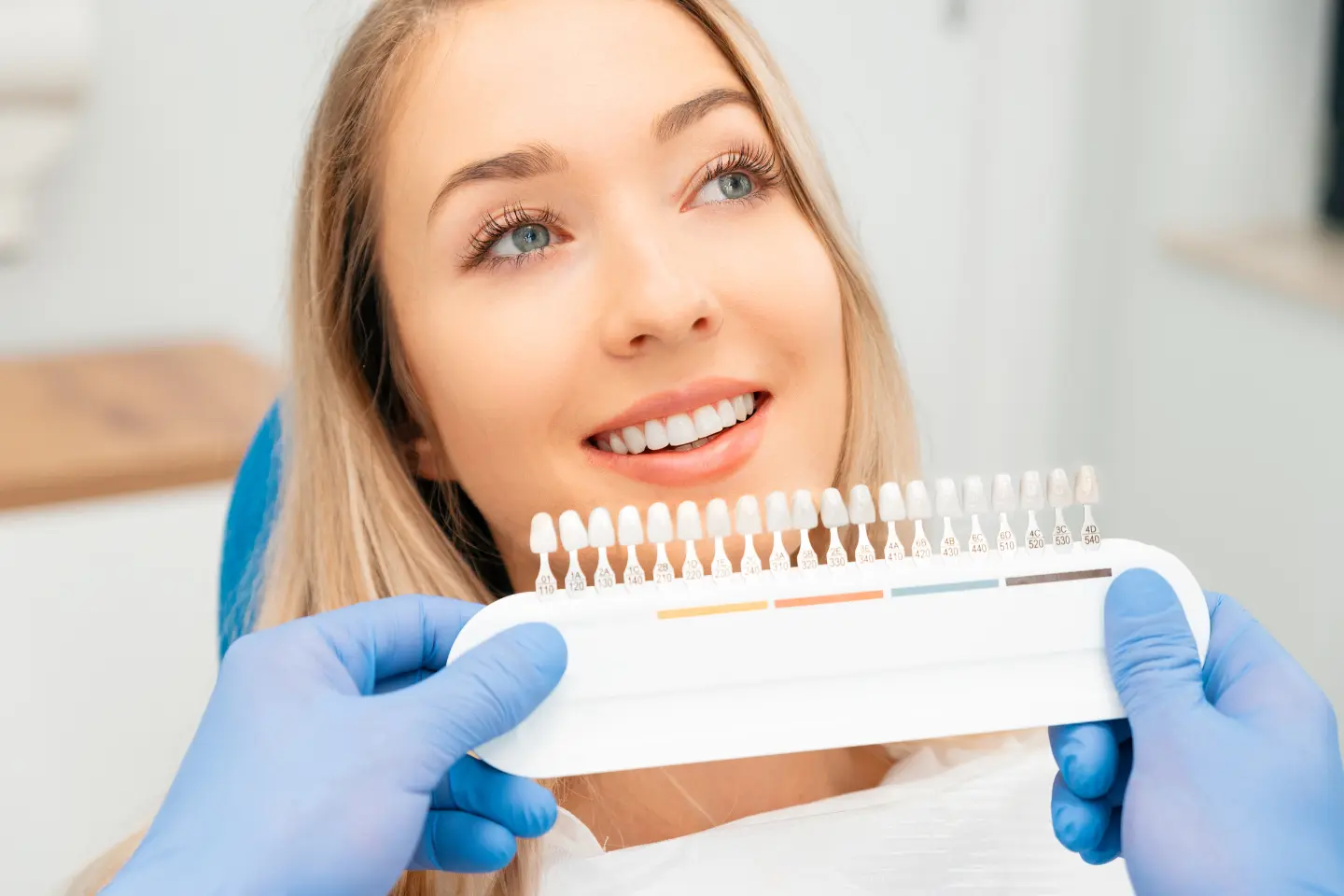
A: Yes. We use materials that come in many different shades to match your natural enamel perfectly. Most people won't be able to tell there was ever a crack.
Q: Can any crack be fixed this way?
A: Not every tooth can be saved with a biomimetic repair. If a crack has gone too deep into the root, we might have to look at other options. A consultation is the only way to know for sure.
Q: Does the procedure hurt?
A: No. We use a local anaesthetic to numb the area, so you won't feel anything while we work. You might have a little bit of tenderness for a day or two after, but it settles down quickly.
Still have questions?
Stay updated with dental
wellness tips



.jpeg)
.jpeg)







.webp)
.png)