



.svg)


Root Canal Treatment in Hull
Learn why root canal treatment is needed, what it involves, what to expect and how Willerby Dental Care can help save your natural tooth in Hull.
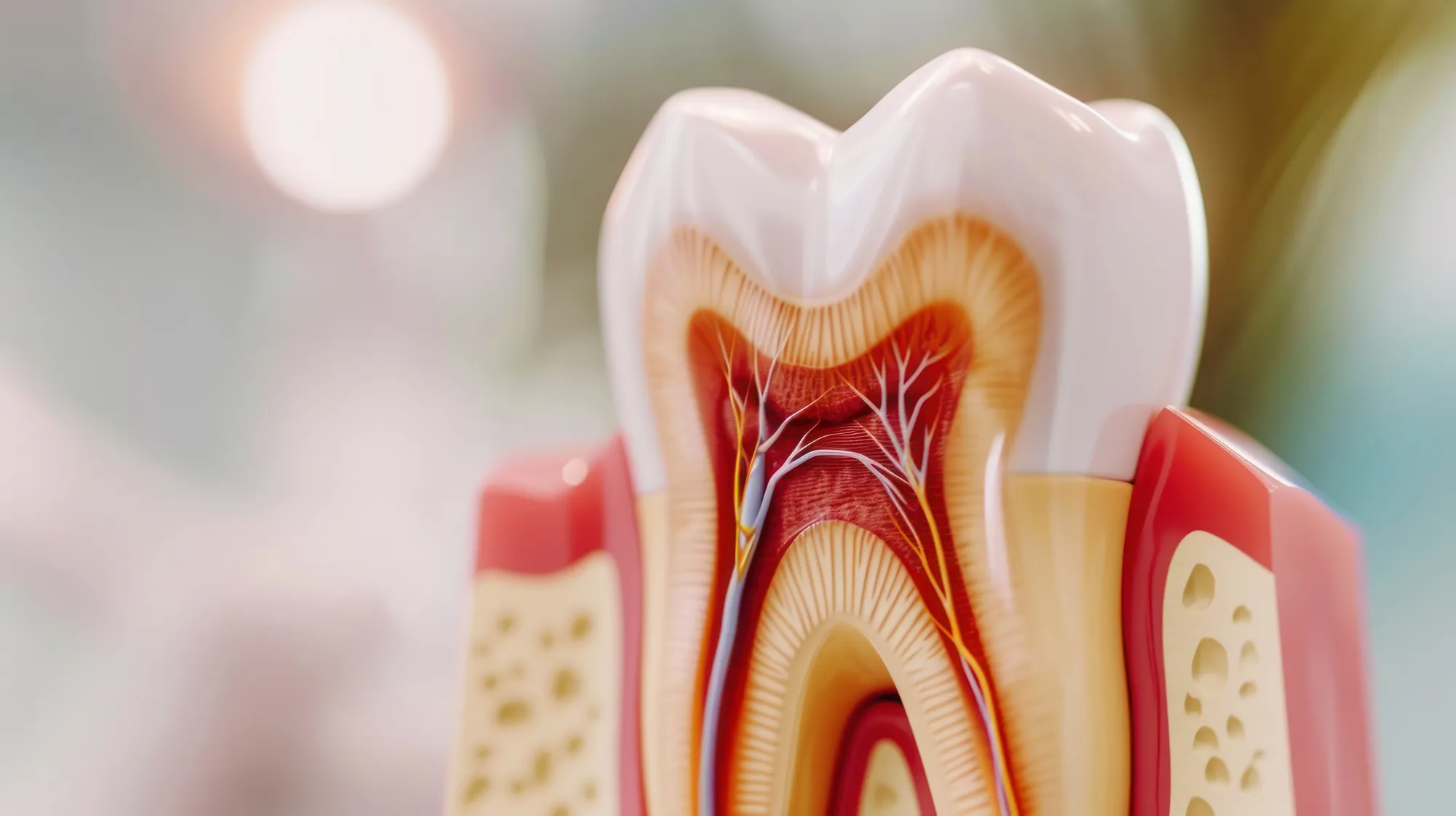
A tooth that hurts when you bite, feels unusually sensitive to hot or cold, or has started causing a dull ache can sometimes have a problem deep inside it. When decay, cracks or an injury allow bacteria to reach the soft tissue inside the tooth, root canal treatment may be needed to remove the infection and save the tooth.
At Willerby Dental Care, root canal treatment is carried out with a focus on your comfort and preserving your natural tooth wherever possible. Modern techniques and local anaesthetic mean that treatment is usually much more straightforward than its reputation suggests. The aim is to remove the infected tissue, clean and seal the root canals, and then restore the tooth so you can use it normally again.
What Is Root Canal Treatment?
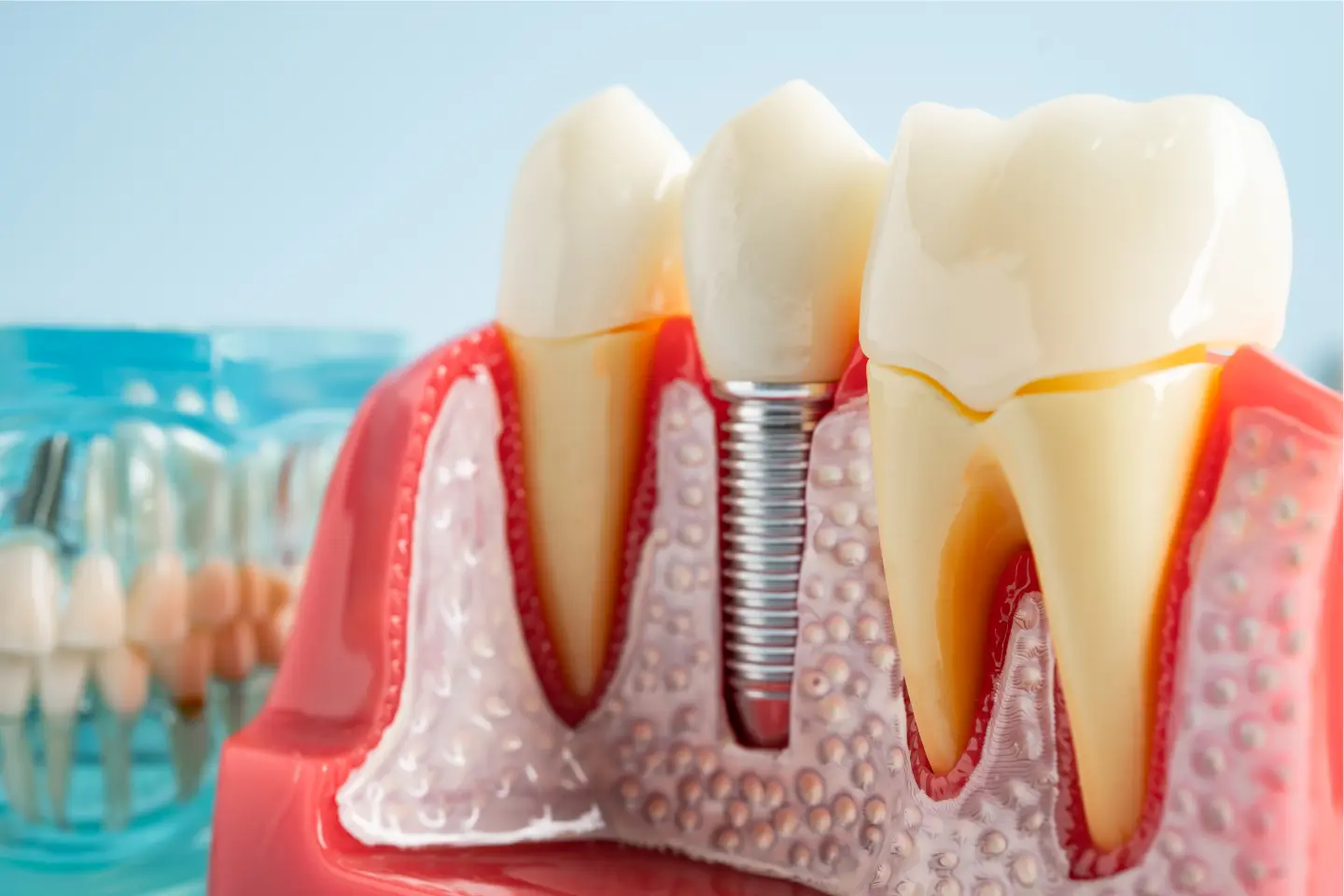
Inside every tooth is a soft area called the dental pulp. It contains nerves and blood vessels and extends down through small channels inside the roots of the tooth.
If bacteria reach this area, the pulp can become inflamed or infected. This can happen because of:
- Deep tooth decay: Decay that progresses far enough into a tooth can eventually reach the pulp.
- Cracks or fractures: A crack can provide a pathway for bacteria to reach the inside of the tooth.
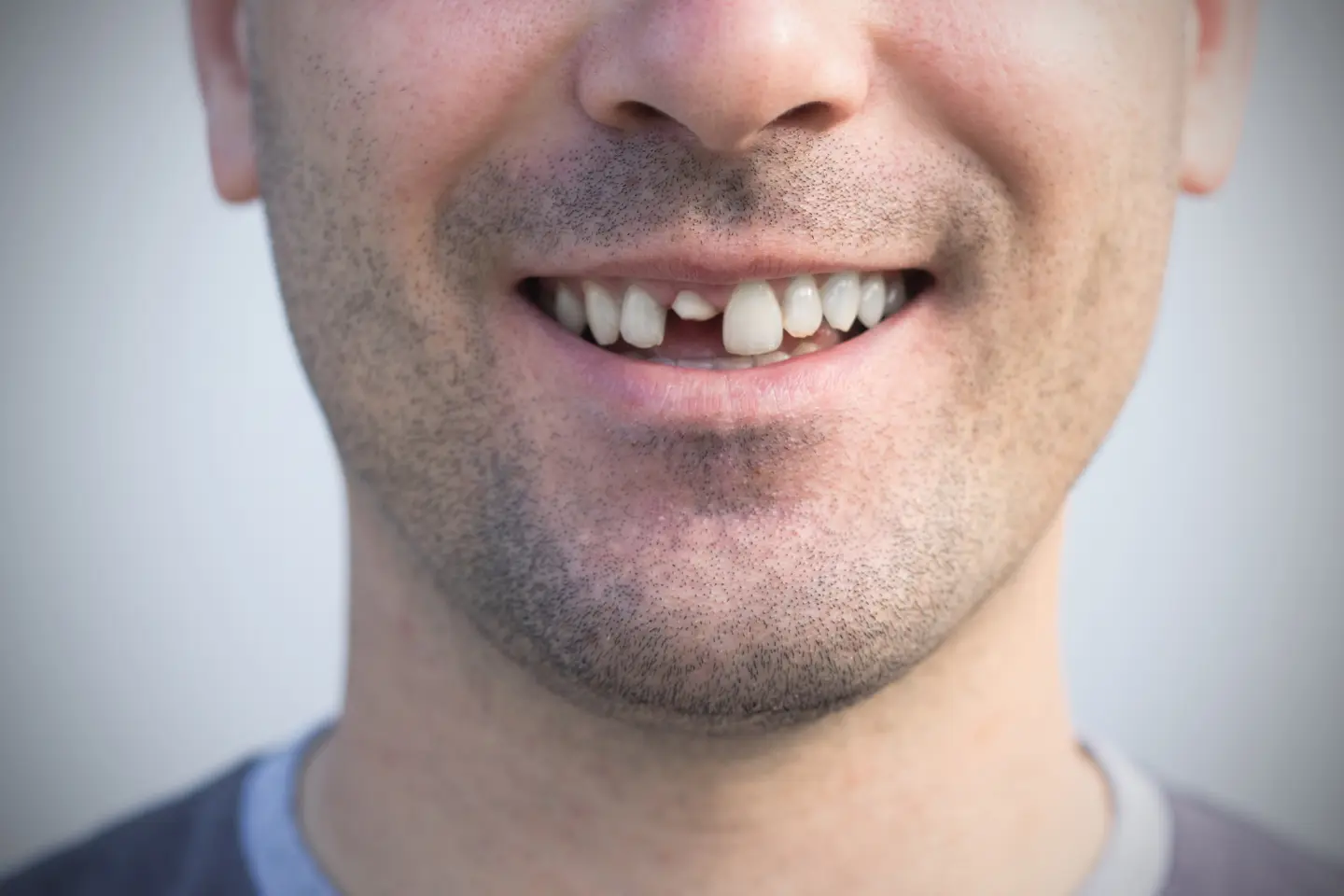
- Dental trauma: An injury can damage the pulp, sometimes even if the tooth looks intact from the outside.
- Large or repeated restorations: Extensive previous dental work can sometimes affect the health of the pulp.
- Problems that have been left untreated: A cavity or damaged tooth can become increasingly difficult to treat if it's ignored.
Root canal treatment removes the damaged or infected pulp, cleans the inside of the tooth and seals it to help prevent bacteria from getting back in.
The purpose is simple: save the natural tooth rather than remove it.
What Are the Signs You Might Need a Root Canal?
Not every toothache means you need root canal treatment. Tooth pain can have several different causes, which is why an examination is important.
However, symptoms that can sometimes indicate a problem with the dental pulp include:
- Persistent toothache
- Pain when biting or chewing
- Prolonged sensitivity to hot or cold
- Severe sensitivity that continues after the food or drink has gone
- Swelling around the tooth or gum
- Tenderness around the tooth
- A small spot or swelling on the gum
- Darkening or discolouration of a tooth
- An unpleasant taste in your mouth
- A tooth that has previously suffered an injury
Sometimes an infected tooth causes very little pain. The nerve inside the tooth can eventually die, meaning the obvious symptoms disappear while infection remains. This is why regular dental examinations can be important even when a tooth doesn't hurt.
Why Do You Need Root Canal Treatment?
When the pulp inside a tooth becomes infected or irreversibly damaged, it cannot always heal by itself. If the problem is left untreated, bacteria can spread through the root canals and into the surrounding tissues.
This may eventually lead to an abscess, swelling or increasing discomfort.
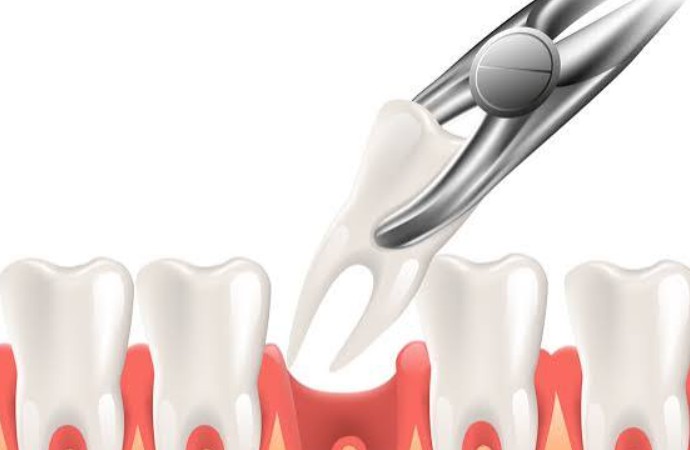
Root canal treatment removes the source of the infection while allowing you to keep the natural tooth. The alternative is usually extraction, followed by consideration of a replacement such as a bridge, denture or dental implant.
Keeping your own tooth can have important advantages. A natural tooth maintains its position within your bite and avoids the need to immediately replace a missing tooth.
At Willerby Dental Care, the emphasis is on preserving natural teeth whenever they can be treated predictably and appropriately.
What Does Root Canal Treatment in Hull Involve?
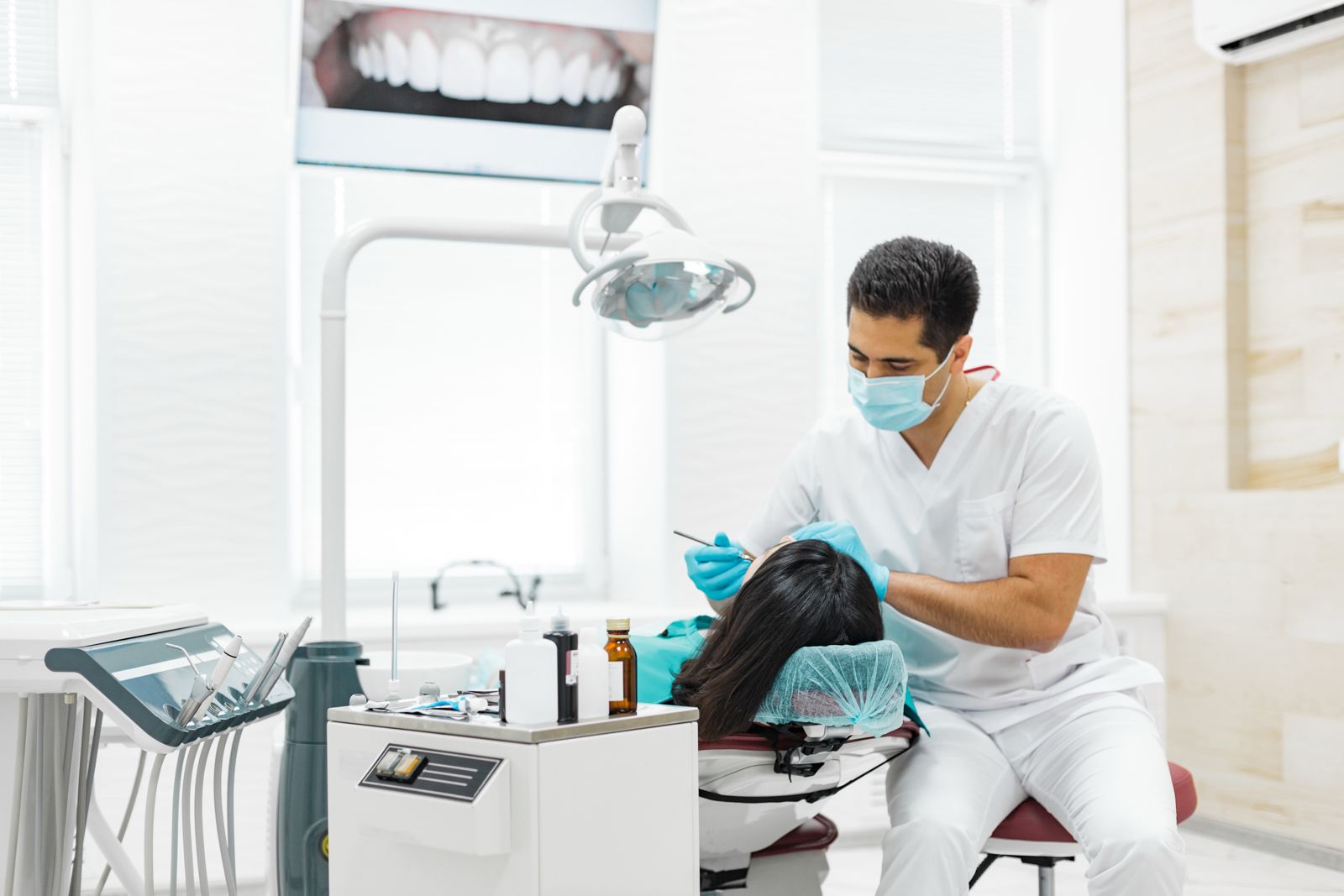
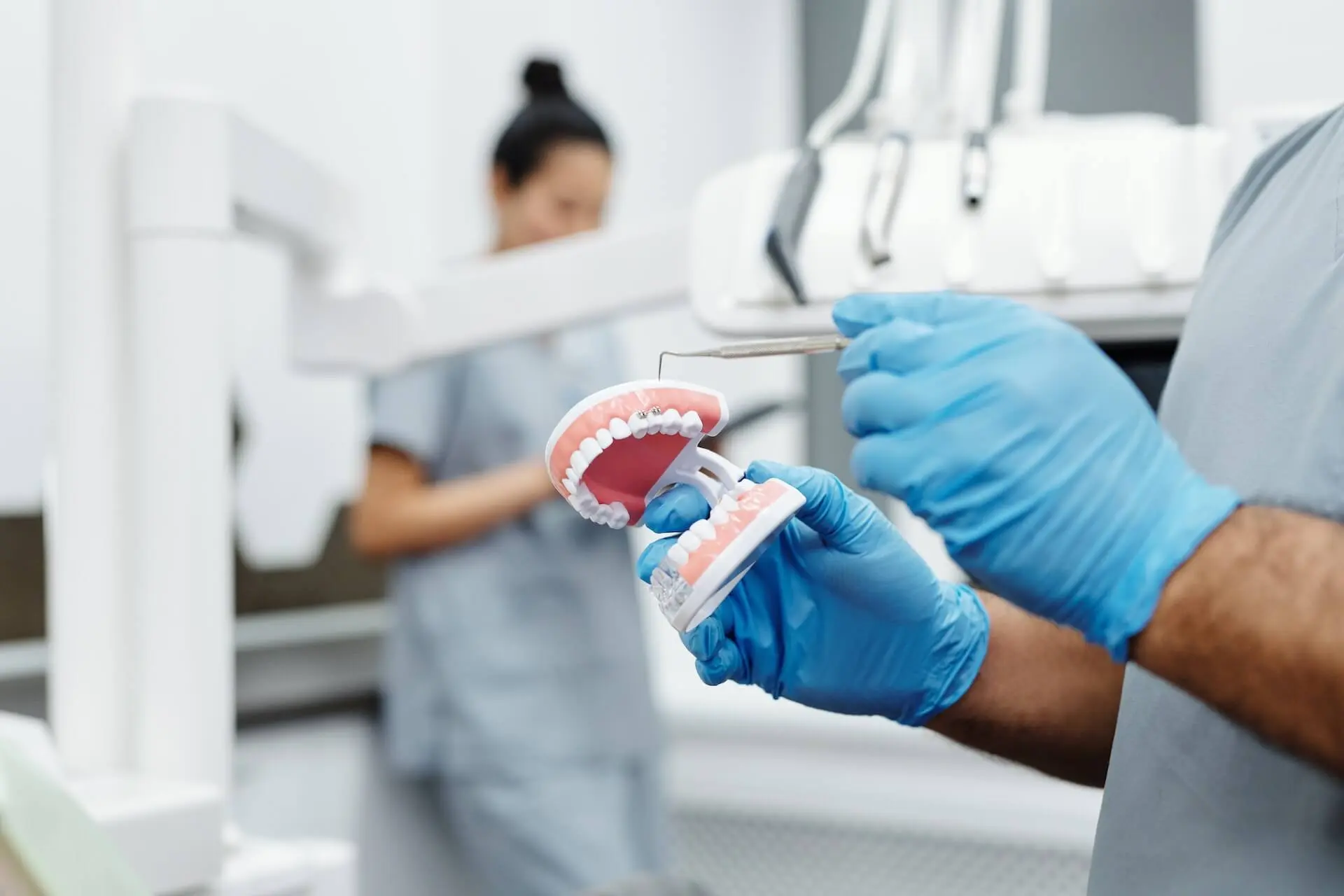
Root canal treatment may sound complicated, but the basic idea is quite straightforward. Your dentist removes the damaged tissue, cleans the inside of the tooth and seals it.
A typical treatment involves:
- Numbing the tooth: Local anaesthetic is used to make the treatment comfortable.
- Accessing the inside of the tooth: A small opening is made so your dentist can reach the pulp chamber and root canals.
- Removing the infected tissue: The damaged or infected pulp is carefully removed from inside the tooth.
- Cleaning the canals: The narrow canals are cleaned and disinfected to remove bacteria and debris.
- Shaping the canals: The canals are prepared so they can be properly filled and sealed.
- Sealing the tooth: A biocompatible material is placed inside the canals to help prevent further bacterial contamination.
- Restoring the tooth: The tooth is repaired with an appropriate restoration so that it can function again.
The number of appointments depends on the tooth and how complex the treatment is. Many root canal treatments can be completed in one or two appointments, although more complicated cases can require additional care.
Is Root Canal Treatment Painful?
This is probably the question we hear most often.
The good news is that modern root canal treatment is carried out using local anaesthetic, so the procedure itself should feel similar to having a filling. You may feel some pressure or vibration while your dentist works, but you shouldn't have to simply put up with pain.
In fact, root canal treatment is often carried out because a tooth is already causing significant pain. Removing the inflamed or infected pulp can address the source of that discomfort.
If you're nervous about treatment, tell your dentist. At Willerby Dental Care, the team takes a calm, patient-centred approach and can work at a pace that feels manageable for you. The practice also has dedicated support for nervous patients.
What Happens After a Root Canal?
It's normal for a treated tooth to feel slightly tender for a short period after treatment. This can usually be managed with appropriate aftercare and should settle.
The tooth will also need a suitable final restoration.
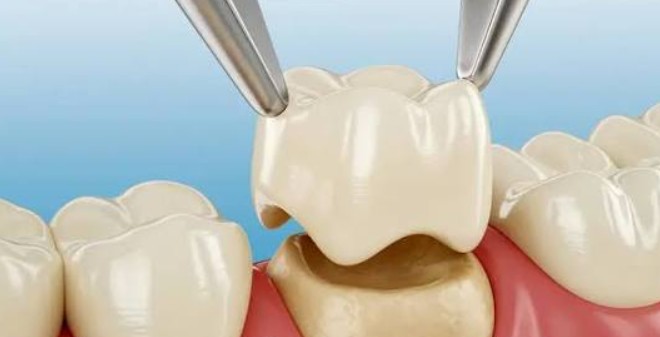
This is particularly important because a tooth that has undergone root canal treatment can become more vulnerable to fracture. Depending on how much healthy tooth remains, your dentist may recommend a filling, overlay or crown to protect the tooth and restore its function.
At Willerby Dental Care, the practice also takes a biomimetic approach to tooth restoration, with the aim of preserving natural tooth structure and considering how the remaining tooth can best be protected.
Your dentist will discuss the most appropriate restoration for your particular tooth rather than assuming that the same option is right for everyone.
How Long Does Root Canal Treatment Take?
The length of treatment varies depending on which tooth is affected and how complex the root canal system is.
Some teeth have relatively straightforward canals, while others have multiple or narrow canals that require more time and care.
Your dentist will let you know what is involved after assessing your tooth. In many cases, treatment can be completed in one or two appointments.
The priority isn't simply to finish as quickly as possible. Thoroughly cleaning and sealing the canals is an important part of achieving a good treatment outcome.
Can a Root Canal Save My Natural Tooth?
In many cases, yes. That's one of the main reasons root canal treatment is recommended.
If the pulp inside a tooth is infected but the remaining tooth structure is healthy enough to restore, root canal treatment can remove the infection while allowing you to keep the tooth.
Once restored, a root canal-treated tooth can be used for biting and chewing much like your other teeth.
However, not every tooth can be saved. If a tooth is too badly fractured, has insufficient remaining structure or cannot be predictably restored, extraction may be recommended instead.
Your dentist will explain the condition of the tooth and discuss your options before treatment begins.
What Happens If You Don't Have Root Canal Treatment?
If a tooth has an infected or irreversibly damaged pulp and treatment is not provided, the infection can continue to develop.
You might experience:
- Increasing pain
- Swelling around the tooth
- An abscess
- Difficulty biting or chewing
- Infection spreading into surrounding tissues
- Ultimately, loss of the tooth
Sometimes the pain can disappear because the nerve inside the tooth has died. That doesn't necessarily mean the problem has gone away.
If you've been experiencing toothache or prolonged sensitivity, it's worth getting the tooth checked rather than waiting for symptoms to become severe.
Root Canal Treatment or Tooth Extraction: Which Is Better?
When a tooth cannot recover on its own, the two main options are generally root canal treatment or extraction.
Root canal treatment aims to preserve the natural tooth. Extraction removes the tooth completely, after which you may need to consider how to replace it.
Replacement options can include:
- Dental implants
- Bridges
- Dentures
Each option has its own advantages, costs and considerations.
Where a natural tooth can be successfully restored, keeping it can avoid the immediate need for replacement treatment. Your dentist will assess the tooth and explain whether root canal treatment is likely to be appropriate.
Can Biomimetic Dentistry Help After a Root Canal?
Biomimetic dentistry focuses on preserving natural tooth structure and restoring teeth in a way that takes their natural function and structure into account.
This can be particularly relevant after root canal treatment because the remaining tooth may need additional protection.
Depending on how much healthy tooth remains, your dentist may consider a restoration designed to preserve as much of the remaining structure as possible while providing the strength needed for everyday biting and chewing.
The most appropriate restoration will depend on the individual tooth. Root canal treatment and biomimetic restorative dentistry aren't alternatives to one another; they can form different parts of the same overall treatment plan.
How Can You Look After a Root Canal-Treated Tooth?
Once your tooth has been treated and restored, looking after it is much like looking after your other teeth.
A few simple habits can help:
- Brush twice a day: Use fluoride toothpaste and a soft-bristled toothbrush.
- Clean between your teeth: Floss or use interdental brushes to remove plaque from areas your toothbrush can't reach.
- Attend regular check-ups: Your dentist can monitor the treated tooth and surrounding tissues.
- Look after your restoration: Avoid biting very hard objects with your teeth.
- Manage teeth grinding: If you clench or grind your teeth, ask your dentist whether a mouthguard may be appropriate.
- Don't ignore new symptoms: Pain, swelling or unusual sensitivity after treatment should be checked.
Good oral hygiene also helps protect the teeth surrounding the treated tooth, reducing the likelihood of future dental problems.
Root Canal Treatment for Nervous Patients in Hull
If the words "root canal" make you anxious, you're certainly not alone. Dental treatment can feel particularly daunting when you've previously had an unpleasant experience.
At Willerby Dental Care, nervous patients are given time to talk about their concerns before treatment. The team explains what is happening, works at your pace and aims to make you feel in control throughout your visit.
You can even start with a conversation about your concerns before committing to treatment. Knowing what will happen and having the opportunity to ask questions can make the experience feel much more manageable.
Book Root Canal Treatment in Hull With Willerby Dental Care
If you're experiencing toothache, sensitivity, swelling or discomfort when biting, don't wait for the problem to become more serious.
A dental examination can help establish what's causing the problem and whether root canal treatment could save the tooth. At Willerby Dental Care, the focus is on clear explanations, comfortable treatment and preserving your natural teeth wherever possible.
If you need root canal treatment in Hull, contact Willerby Dental Care to arrange an assessment and discuss your options.
FAQs About Root Canal Treatment in Hull

Prefer a virtual consultation?
Stay updated with dental
wellness tips






.jpeg)
.jpeg)










.webp)
.png)