



.svg)


Dental Implants in Welton
Find out how dental implants in Welton can replace missing teeth, what treatment involves and what to expect from your implant journey with Willerby Dental Care.
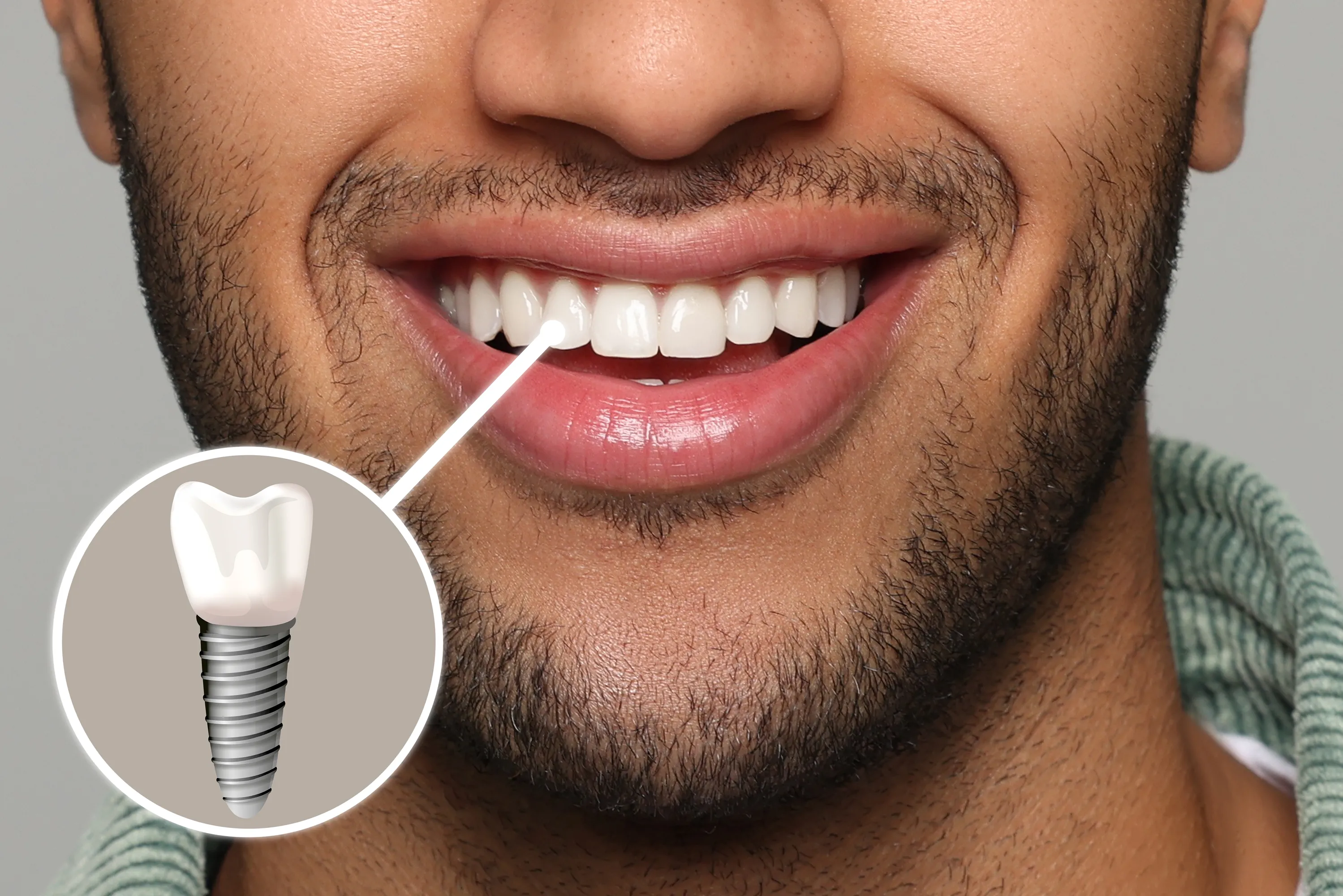
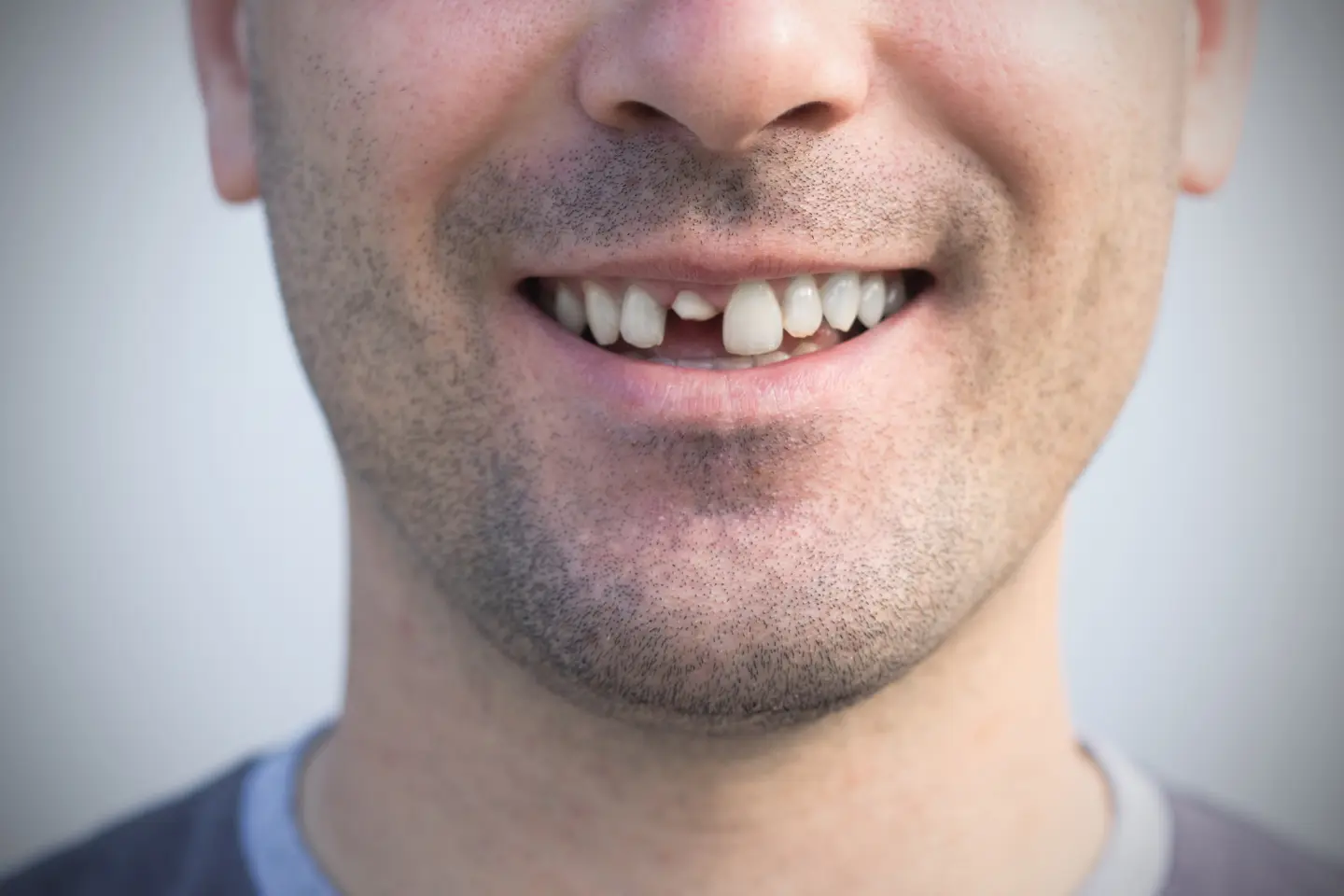
Losing a tooth can affect more than just the way your smile looks. A gap can make eating less comfortable, affect your confidence and, over time, allow the teeth around it to move into the space. If you're looking for a long-term way to replace a missing tooth, dental implants could be an option worth discussing with your dentist.
Dental implants are designed to replace the root of a missing tooth and support a replacement tooth above the gum. They can provide a stable and natural-looking way to restore your smile while allowing you to eat and speak comfortably.
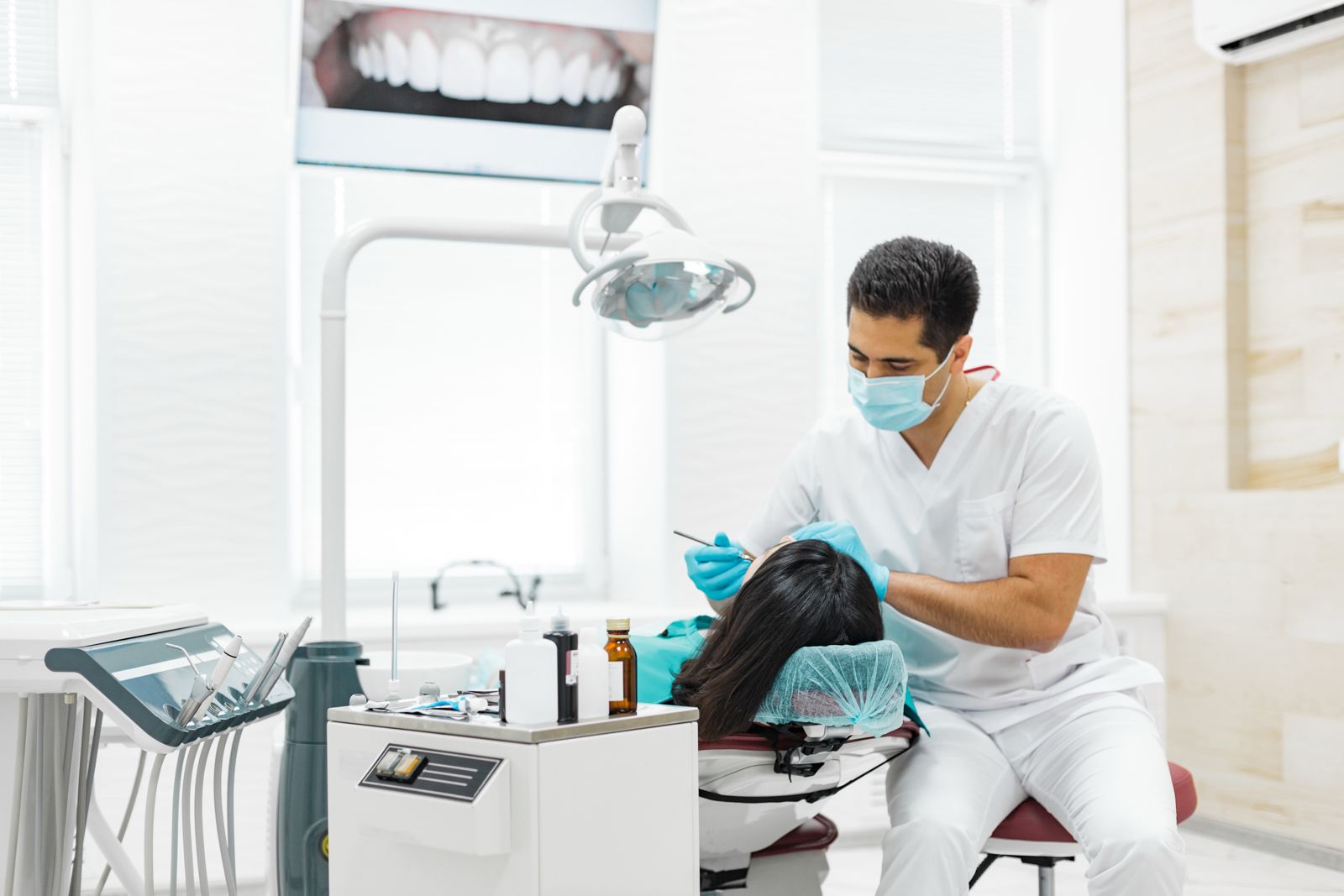
At Willerby Dental Care, dental implant treatment is planned around your individual needs. Whether you've recently lost a tooth or have been living with missing teeth for some time, an assessment can help determine whether implants are suitable for you and what treatment may be involved.
What Are Dental Implants?
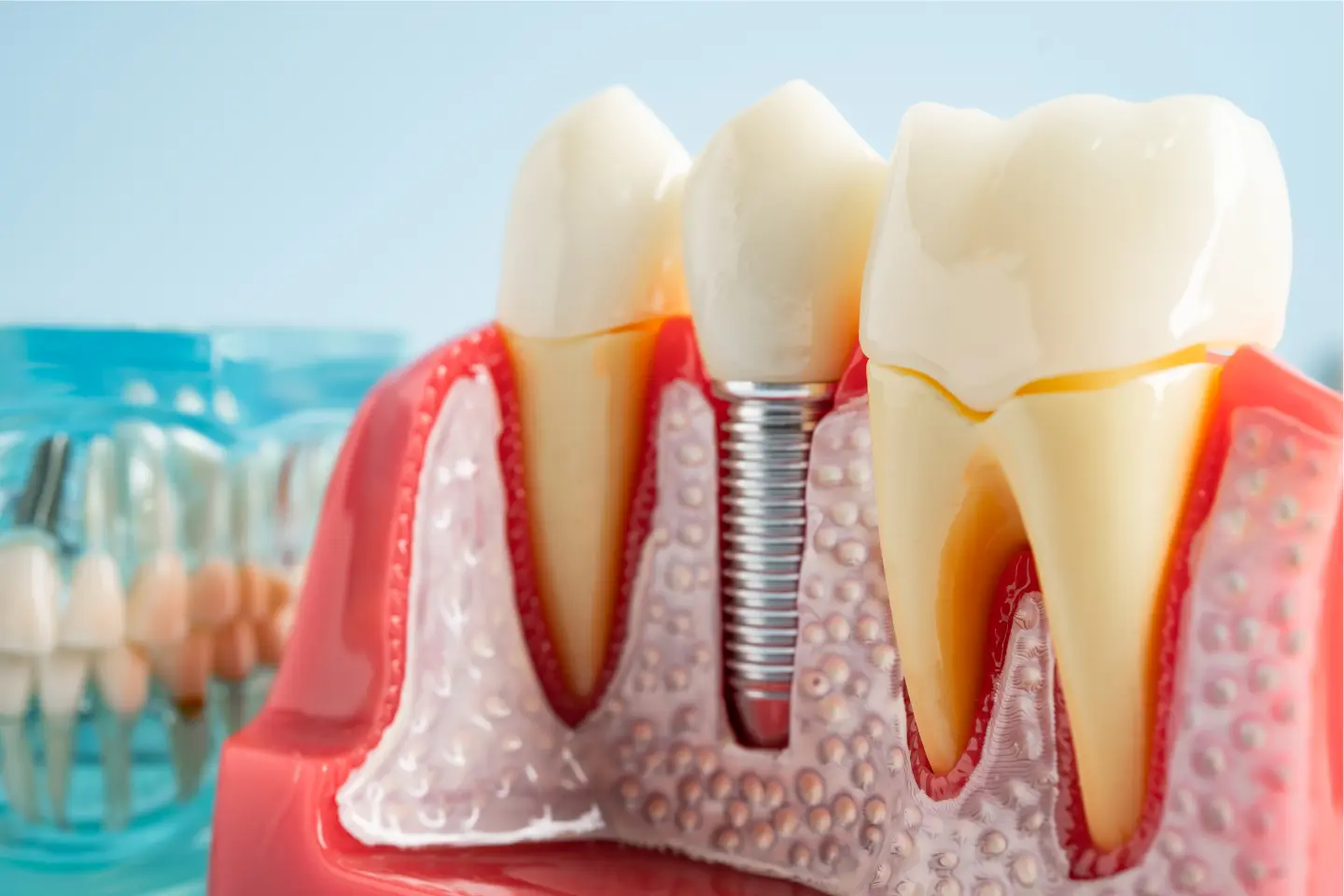
A dental implant is a small post that is placed into the jawbone to act as an artificial tooth root. Once the implant has integrated with the surrounding bone, it can be used to support a replacement tooth.
A complete dental implant restoration usually consists of three parts:
- The implant: This is the part placed into the jawbone and acts as the artificial root.
- The abutment: This connects the implant to the replacement tooth.
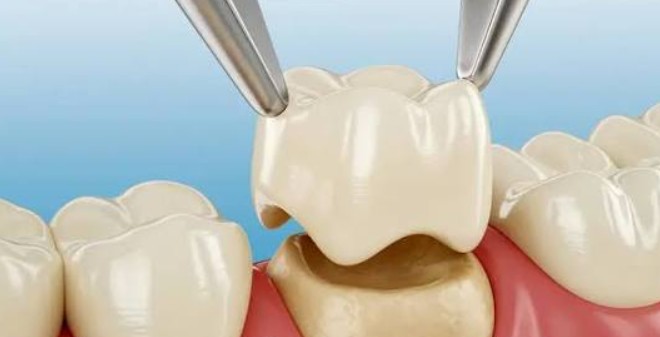
- The crown: This is the visible part of the restoration and is designed to look and function like a natural tooth.
Because the implant is supported within the jawbone rather than simply sitting on the gum, it can provide a secure foundation for the replacement tooth.
Implants can be used to replace a single missing tooth or, in suitable cases, support multiple replacement teeth.
Why Consider Dental Implants in Welton?
There are several ways to replace missing teeth, including bridges and dentures. Dental implants offer a different approach because they replace the root as well as the visible part of the tooth.
Potential benefits include:
- A stable replacement: An implant-supported tooth is fixed in place rather than being removable.
- A natural-looking appearance: Implant crowns can be designed to blend with your surrounding teeth.
- Comfort when eating: A securely supported replacement tooth can make biting and chewing more comfortable.
- Support for the jawbone: The presence of an implant can provide stimulation to the bone around the missing tooth.
- No need to remove the restoration: Unlike removable dentures, an implant-supported crown stays in place.
- Preserving neighbouring teeth: When replacing a single tooth, an implant does not generally require the adjacent teeth to be prepared in the same way as a conventional bridge.
Your dentist will explain the benefits and limitations of implants so you can decide whether they are right for you.
Who Can Have Dental Implants?
Many adults with missing teeth can potentially have dental implants, but suitability needs to be assessed on an individual basis.
Your dentist will consider factors such as:
- Your general oral health
- The condition of your gums
- The amount and quality of bone available
- The position of the missing tooth
- Your bite
- Your medical history
- Your smoking habits
- Your ability to maintain good oral hygiene
Healthy gums are particularly important because gum disease can affect the tissues supporting an implant. If you have active gum disease, this may need to be treated before implant treatment can begin.
Having some bone loss doesn't necessarily mean implants are impossible. In certain circumstances, additional procedures such as bone grafting may be considered to create a suitable foundation.
The first step is always a thorough assessment.
What Does Dental Implant Treatment in Welton Involve?
Dental implant treatment is a planned process rather than a single appointment. The exact journey varies depending on whether you're replacing one tooth, several teeth or a complete arch.
A typical treatment journey may involve:
- Initial consultation: Your dentist will discuss your missing tooth or teeth, your expectations and your dental history.
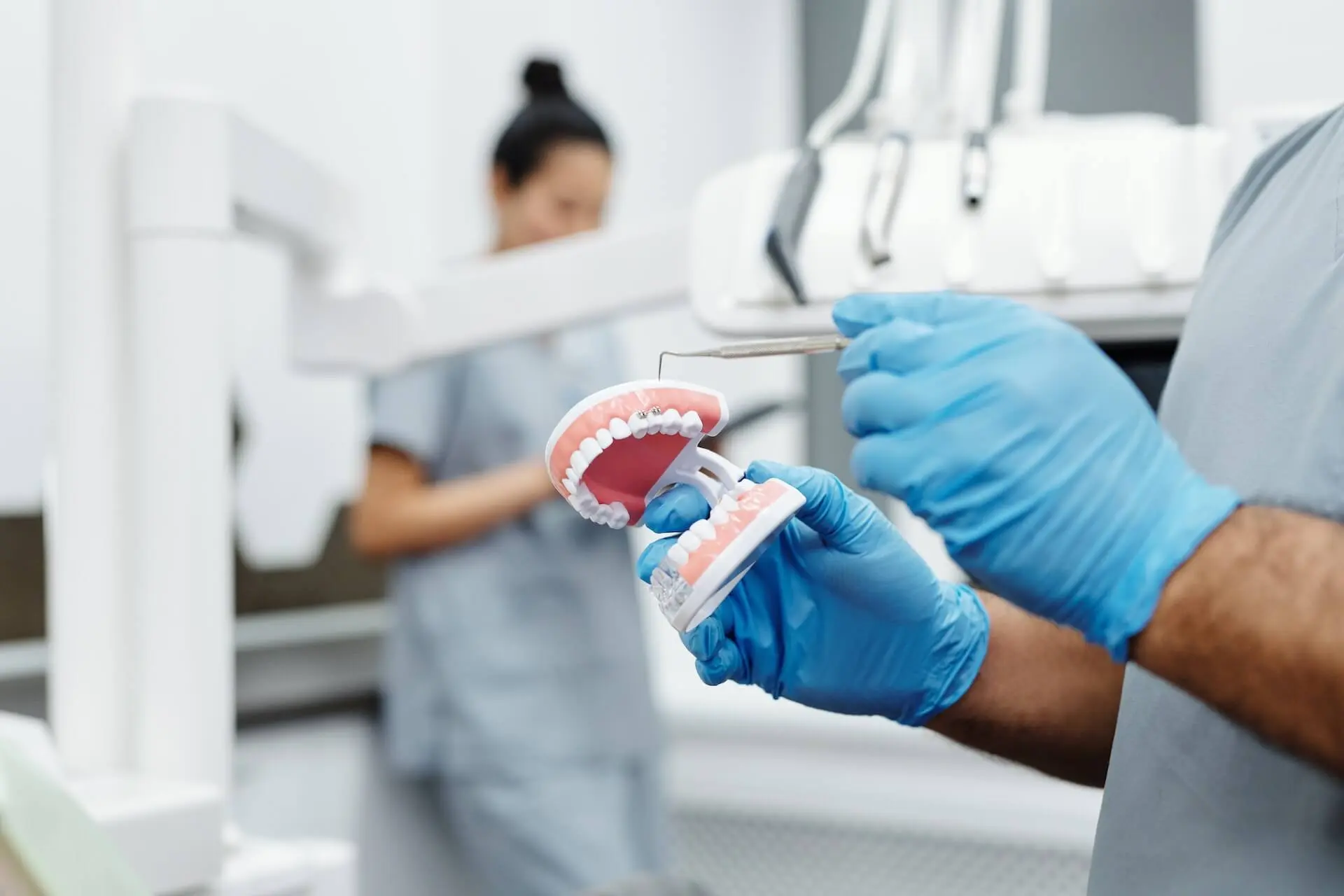
- Dental examination: Your teeth and gums will be assessed to make sure your mouth is suitable for implant treatment.
- Planning and imaging: X-rays or 3D imaging may be used to assess the bone and determine the most appropriate position for the implant.
- Treatment planning: Your dentist will explain the proposed treatment, alternatives, timescale and costs.
- Implant placement: The implant is carefully positioned in the jawbone.
- Healing: The implant needs time to integrate with the surrounding bone before the final restoration is fitted.
- Replacement tooth: Once the implant has healed sufficiently, an abutment and crown or other restoration can be attached.
- Ongoing care: Regular dental check-ups and good oral hygiene help protect the implant and surrounding tissues.
Your dentist will explain each stage before treatment begins, so you'll know what to expect.
Are Dental Implants Painful?
It's understandable to feel nervous about having an implant placed. The procedure is normally carried out using local anaesthetic, so you shouldn't feel pain during the implant placement itself.
You may experience some swelling, tenderness or discomfort after the procedure as the area heals. Your dental team will provide aftercare instructions and advise you on how to look after the area.
Every patient responds differently, and the amount of discomfort can depend on the complexity of the treatment.
If you're nervous about dental treatment, let the team know. Taking the time to discuss your concerns before treatment can make the experience feel much more manageable.
How Long Does Dental Implant Treatment Take?
Dental implants are not an instant tooth replacement. The overall treatment time depends on your individual circumstances and how quickly your mouth heals.
In straightforward cases, the process can take several months because the implant needs time to integrate with the jawbone before the final tooth is attached.
Treatment may take longer if you need additional procedures first, such as treatment for gum disease or bone grafting.
Your dentist will provide an estimated timeline after assessing your mouth and explaining the treatment plan.
It's worth remembering that implant treatment is a process. Allowing enough time for each stage can help your dentist achieve a properly planned and stable result.
What If I Don't Have Enough Bone for an Implant?
When a tooth has been missing for some time, the jawbone in that area can gradually reduce because it is no longer supporting a natural tooth root.
This doesn't automatically rule out dental implants.
Depending on the amount of bone available and the position of the missing tooth, your dentist may discuss a bone graft or another procedure to improve the foundation for an implant.
Whether this is necessary can only be determined through an appropriate clinical examination and imaging.
If additional treatment is needed, your dentist will explain why it has been recommended and how it affects the overall treatment process.
Can Dental Implants Replace More Than One Tooth?
Yes. Dental implants can be used in several different ways depending on how many teeth are missing.
Single dental implants
If you've lost one tooth, an individual implant can support a single crown. This allows the missing tooth to be replaced without relying on the neighbouring teeth for support.
Multiple dental implants
If several teeth are missing, multiple implants can sometimes be used to support several replacement teeth.
Implant-supported dentures
For people missing many or all of their teeth, implants can sometimes be used to help stabilise a denture. This can make the denture feel more secure compared with a conventional removable denture.
Your dentist will discuss which approach is appropriate based on the number and position of your missing teeth, your bone levels and your overall oral health.
How Do Dental Implants Compare With Dentures and Bridges?
Dental implants aren't automatically the right choice for everyone. It's useful to understand how they differ from other tooth replacement options.
- Dental implants: Fixed into the jawbone and designed to provide a stable foundation for replacement teeth.
- Bridges: Use neighbouring teeth or implants to support a replacement tooth or teeth.
- Dentures: Removable appliances that replace several or all missing teeth.
Implants usually require more treatment and a longer process than a conventional denture or bridge. They also require surgery and sufficient bone and gum health.
The best option depends on your circumstances, preferences and dental health. Your dentist can talk you through the alternatives rather than assuming that implants are the only solution.
How Long Do Dental Implants Last?
Dental implants are designed as a long-term tooth replacement solution, but they aren't completely maintenance-free.
How long an implant lasts can depend on:
- Your oral hygiene
- The health of your gums
- The quality of the original treatment
- Your bite
- Whether you grind or clench your teeth
- Smoking
- The condition of the surrounding bone and tissues
- Regular professional maintenance
The implant itself and the crown above it are different components and can have different lifespans.
Regular dental appointments allow your dentist to check the implant, gums and surrounding teeth so that any potential problems can be identified early.
How Do You Look After Dental Implants?
Looking after an implant is not difficult, but good oral hygiene is essential.
You should:
- Brush twice a day: Use fluoride toothpaste and a suitable toothbrush.
- Clean around the implant: Your dentist or hygienist can show you how to clean effectively around the implant and restoration.
- Clean between your teeth: Floss, interdental brushes or other recommended aids can help remove plaque from hard-to-reach areas.
- Attend regular check-ups: Your dentist can monitor the implant and surrounding tissues.
- Don't ignore bleeding or swelling: These can be signs that the tissues around an implant need attention.
- Avoid smoking: Smoking can increase the risk of problems with gum health and implant treatment.
- Look after your natural teeth: Your remaining teeth still need regular care to maintain a healthy mouth.
An implant is not immune to gum disease. The tissues around an implant can become inflamed or infected if plaque is allowed to build up.
What Happens If You Have Gum Disease?
Healthy gums are an important part of successful implant treatment.
If you have gum disease, your dentist may recommend treating it and getting your gums stable before proceeding with implant placement. This is because inflammation and infection around the gums can affect the tissues supporting an implant.
If you've had gum problems in the past, don't assume that implants aren't possible. Your dentist can assess the current condition of your gums and explain what needs to happen before implant treatment can begin.
Good long-term maintenance is also important after the implant has been placed.
Can Dental Implants Look Like Natural Teeth?
One of the main advantages of modern implant dentistry is the ability to create replacement teeth that look natural.
The crown can be designed to match the colour, shape and proportions of your surrounding teeth. Your dentist will consider the position of the tooth, your smile and the appearance of the neighbouring teeth when planning the final restoration.
A good result isn't just about making a tooth that is white and straight. It should look appropriate within your smile and work comfortably when you bite and chew.
Are Dental Implants Suitable for Nervous Patients?
If you're worried about dental treatment, you're not alone. The idea of having an implant placed can understandably make some people nervous.
At Willerby Dental Care, you can discuss your concerns with the dental team before treatment. Understanding what will happen, how the procedure will be carried out and what to expect afterwards can make the process feel much less daunting.
Your dentist can explain each stage and give you the opportunity to ask questions before you decide whether implant treatment is right for you.
Book a Dental Implant Consultation in Welton
If you're missing one or more teeth and considering dental implants, the first step is a consultation.
At Willerby Dental Care, your dentist can assess your teeth and gums, discuss your concerns and explain the available tooth replacement options. If implants are suitable, you'll be guided through the treatment process, including the expected timescale and costs.
Willerby Dental Care welcomes patients from Welton and surrounding areas, including Hull, Willerby, Brough and Swanland.
If you're looking for dental implants in Welton, UK, contact Willerby Dental Care to arrange a consultation and find out whether implant treatment could be suitable for you.
FAQs About Dental Implants in Welton

Prefer a virtual consultation?
Stay updated with dental
wellness tips






.jpeg)
.jpeg)










.webp)
.png)