

Clear Aligners vs Fixed Braces for Adults
Clear aligners suit adults who want a discreet, removable option and will wear them for most of the day. Fixed braces suit adults who want treatment that works without relying on them, or whose teeth need more complex movement. Either can give you a straighter smile, and the right one depends on your teeth, your bite and your routine.
Here is how the two compare, so you can arrive at your consultation knowing what to ask.
What Is the Difference?
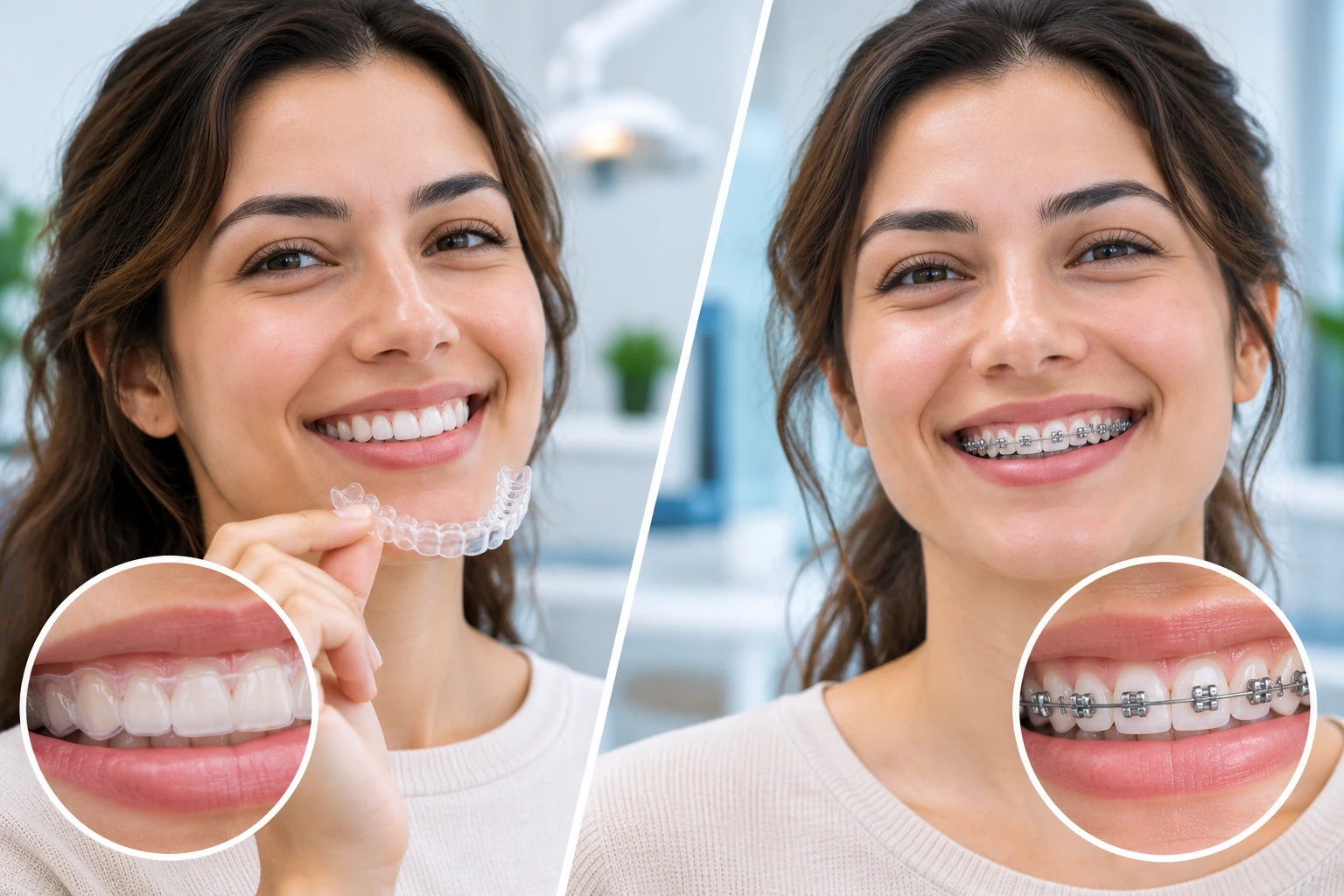
Clear aligners are a series of removable, custom made trays. You change to a new set every one to two weeks, and each set moves your teeth a small step. Systems such as Invisalign are examples of this approach.
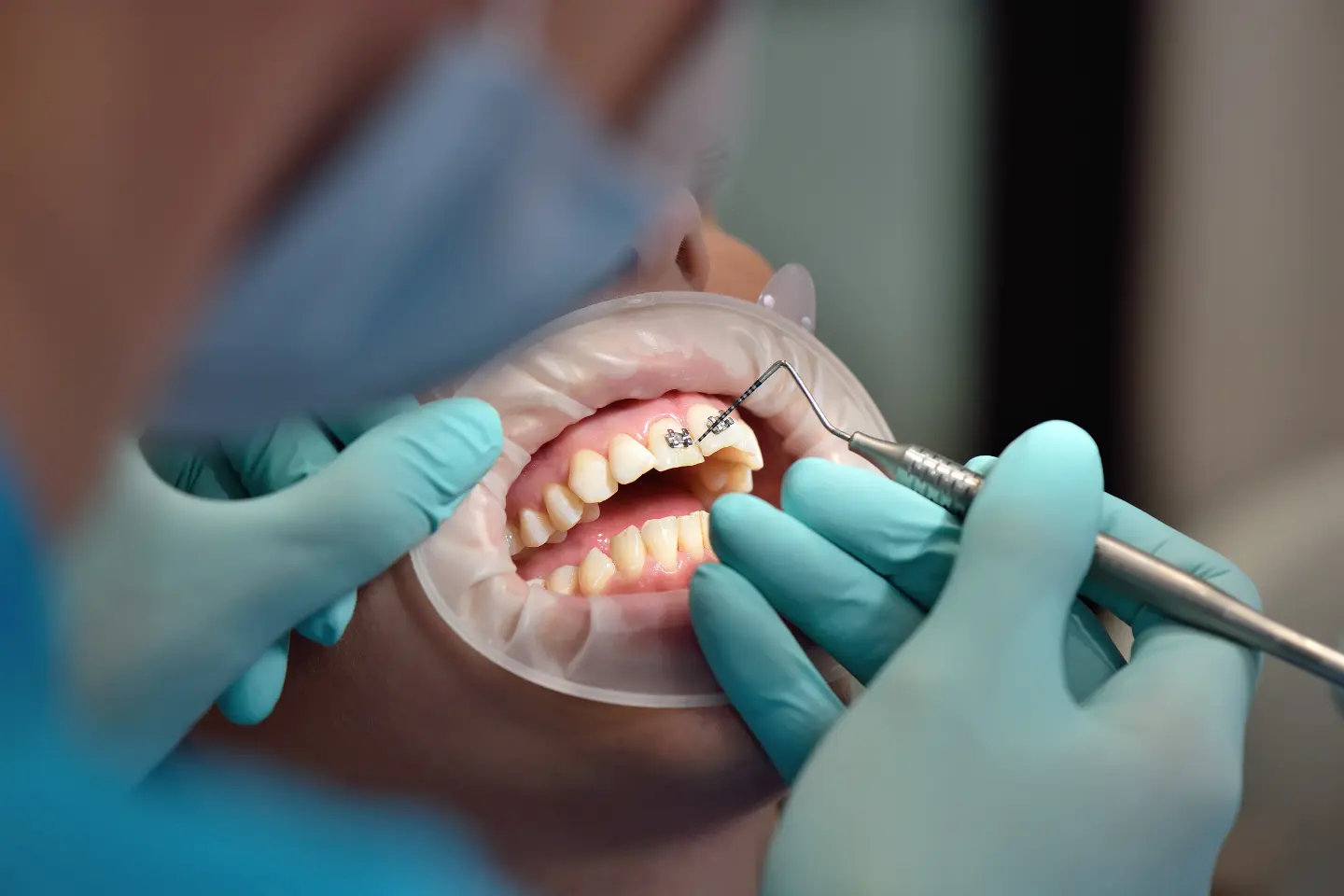
Fixed braces use small brackets bonded to the teeth and joined by a wire, which we adjust at regular visits. Our fixed braces use tooth coloured brackets, so they blend in more than many people expect.
The biggest everyday difference is simple. Aligners come out, braces stay in. That one point shapes how you eat, how you clean your teeth, how noticeable the treatment is and how much responsibility sits with you between appointments.
How Do Clear Aligners Work?
Treatment starts with an assessment, usually including photographs, digital scans and sometimes X rays. We plan how your teeth could move and create a set of aligners for each stage.
Adults often choose aligners because:
- They are discreet. The trays are thin and clear, which many people prefer for work meetings and photographs.
- They come out. You can eat, drink and clean your teeth as normal.
- They need fewer visits. Check ups are often spaced further apart, which suits a busy week.
The trade off is commitment. Aligners are worn for around 20 to 22 hours a day to work as planned. Leaving them in a bag or pocket for long stretches slows progress. If your teeth need a bigger change than aligners can deliver, we will tell you at the consultation. Our post on whether Invisalign can fix an overbite shows the kind of bite problems aligners can and cannot treat.
How Do Fixed Braces Work?
A wire runs through the brackets and guides your teeth gradually into position. Because braces stay on your teeth all day, every day, they keep working without you having to remember anything. That reassures people who know a removable appliance might end up in a pocket.
Fixed braces are also often considered for more complex movements, such as significant rotations or certain bite corrections. We will advise on what suits your case.
The everyday trade offs are worth knowing. Brackets and wires can feel strange at first, and some people notice mild rubbing on the lips or cheeks in the early weeks. Cleaning takes longer, and some sticky or hard foods are best avoided.
Comfort, Looks and Daily Life Compared
- Comfort: both can cause pressure or tenderness after a new aligner or an adjustment, which usually settles within a few days. Aligners have smooth edges, while brackets and wires can occasionally irritate the cheeks and lips.
- Eating and drinking: with aligners you take them out for meals and snacks, then clean your teeth before putting them back. With braces you eat with them in and adjust what you choose to eat.
- Cleaning: aligners make brushing and flossing more straightforward. Braces need extra care around the brackets, often with interdental brushes or floss threaders.
- Appearance: aligners are generally the less noticeable option. Tooth coloured brackets sit between the two.
- Sport: a mouthguard can usually be fitted over either option. If you play contact sport, our guide to custom fitted mouthguards explains what to ask for.
Which One Suits You?
There is no single answer, and that is normal. These questions help:
Will you wear removable trays consistently? If yes, aligners may fit well. If you would rather have something that works quietly in the background, braces may feel easier.
How important is discretion? If you speak to clients or present often, aligners or tooth coloured braces may appeal.
What do your teeth need? Crowding, spacing, bite differences and gum health all influence which approach works. Some cases respond well to either, while others suit one better. That is why an assessment matters more than any general comparison.
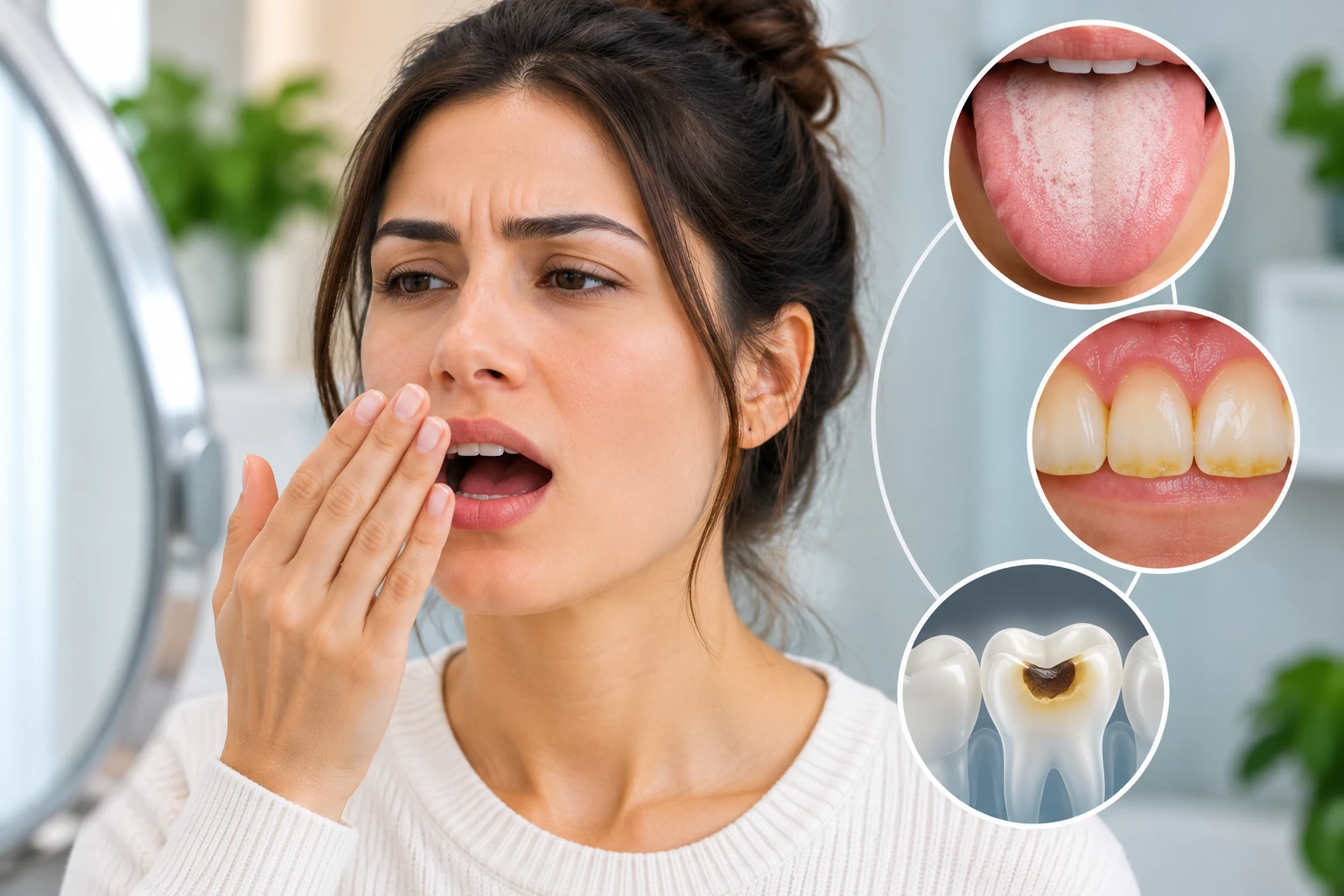
Healthy gums and teeth are the foundation of any adult treatment. We may recommend treating gum problems or decay first, so a routine check up is often the first step.
How Long Does Treatment Take?
It varies. Mild alignment concerns may take several months, while more involved changes can take a year or two or longer. We can give you an estimate once we have assessed your teeth. Wearing aligners as advised, attending appointments and keeping your teeth clean all help treatment stay on track.
After the active stage you will wear a retainer. Teeth naturally tend to drift, so a retainer keeps your new smile steady. We will explain which type suits you and how often to wear it.
What Does It Cost, and Is It on the NHS?
According to the NHS, braces are usually only free for people under 18 with a clear health need, and adults usually pay to have them privately. Costs depend on the complexity of your treatment, the type of appliance and how long you need it.
We will give you a clear treatment plan before you decide, and you can see our finance options if you would like to spread the cost.
Looking After Your Teeth During Treatment
Good home care makes treatment more comfortable and protects your teeth in the long term.
- Brush twice a day with fluoride toothpaste and clean between your teeth daily
- With aligners, brush before putting them back in and keep them in their case when out
- With braces, take your time around brackets and wires and ask us to show you the best technique
- Keep up with hygiene appointments, because braces and aligners can make plaque harder to remove
Talk to Us About Straightening Your Teeth
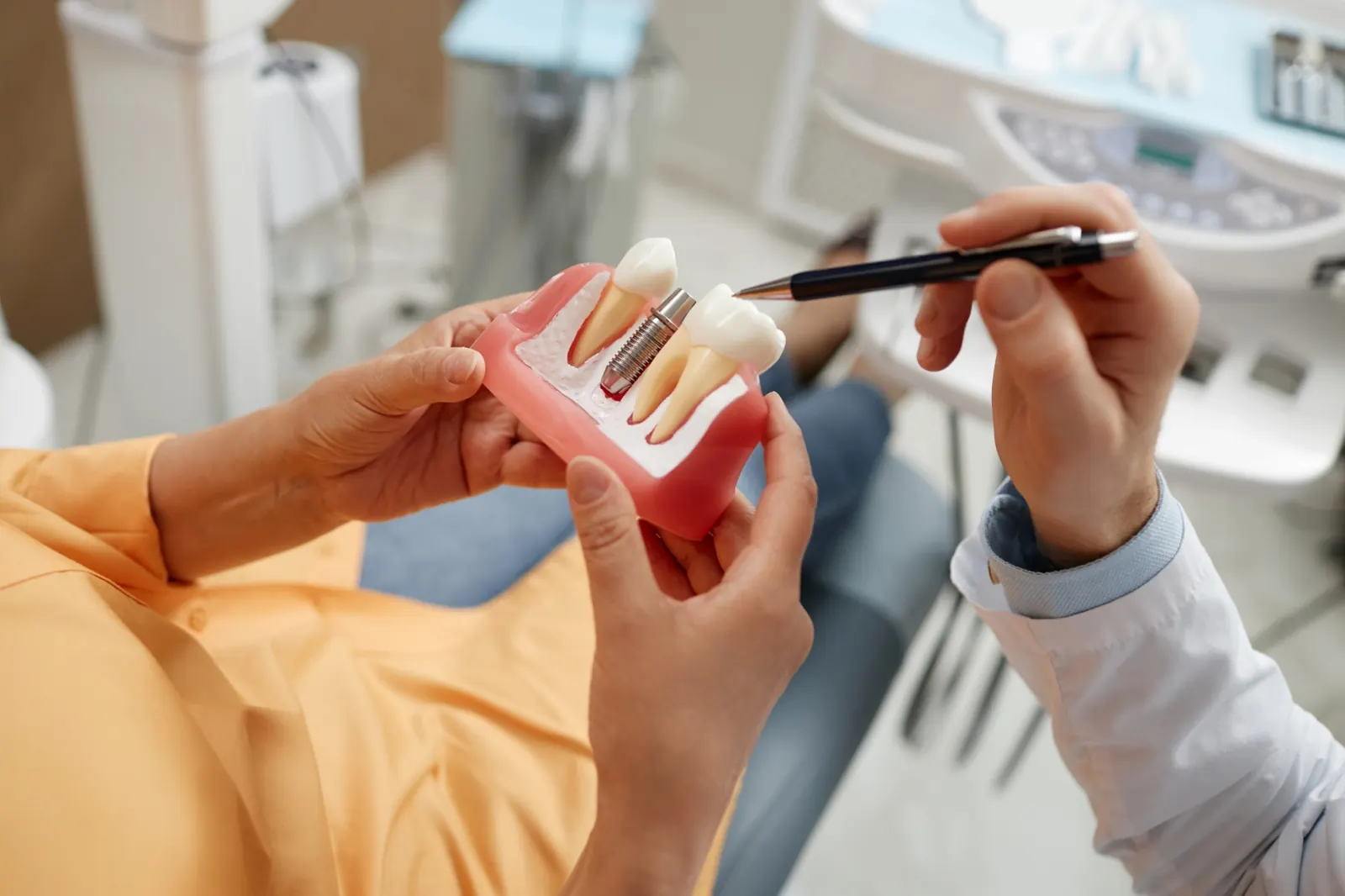
Choosing between aligners and braces is easier with someone who can look at your teeth, listen to your goals and talk you through the options without pressure. We welcome adults from Willerby, Hull, Brough, Swanland and Welton. Book a consultation and we will help you work out the right fit.
Frequently Asked Questions
Are clear aligners suitable for every adult?
Not always. Many adults are suitable, but it depends on the position of your teeth, your bite and your gum health. A consultation will show which options are appropriate.
Do clear aligners hurt?
Most people describe pressure or mild tenderness when they start a new aligner, which usually eases within a few days. Tell us if anything feels uncomfortable.
Can I eat normally with fixed braces?
You can eat most foods, though very hard, sticky or chewy items can loosen brackets. We will give you practical guidance when your braces are fitted.
Which is more expensive, clear aligners or fixed braces?
Cost depends on the complexity of treatment, the type of appliance and how long you need it. We will talk you through the options and give you a clear plan before you decide.
Will I need a retainer after treatment?
Yes, most adults wear a retainer after straightening, because teeth can drift over time. We will recommend the most suitable type and explain how to use it.
Still have questions?
Stay updated with dental
wellness tips