

Nervous About the Dentist? How to Make Visits Easier
If the thought of a dental appointment makes your stomach flip, you are in very good company. Many people feel nervous about the dentist, and plenty put off check ups because of it. Dental teams understand this well, and there are practical steps that make a visit feel far calmer.
Here is why the nerves happen, what a gentle approach looks like, and how to prepare for an appointment that feels manageable.
Why Do So Many People Feel Nervous?
Dental anxiety rarely comes from nowhere. For some people it began with an uncomfortable experience in childhood. For others it is lying back in the chair, not seeing what is happening, or the sounds and sensations of treatment. Some people simply dislike feeling out of control.
Embarrassment is common too. Perhaps it has been a few years since your last visit and you worry about being judged. A good team will welcome you warmly and will not comment on how long it has been.
Anxiety sits on a spectrum. Some people feel a little uneasy but carry on with appointments, while others find the idea so difficult that they avoid care altogether, which is sometimes called dental phobia. Wherever you sit on that scale, your feelings are valid and support is available.
What Does Gentle Dentistry Involve?
Gentle dentistry is less about one technique and more about an approach that puts your comfort and understanding first. For nervous patients that usually means:
- Unhurried appointments. Enough time means you are never rushed, with space to pause whenever you need to.
- Clear explanations. Knowing what is about to happen, and why, removes much of the fear of the unknown.
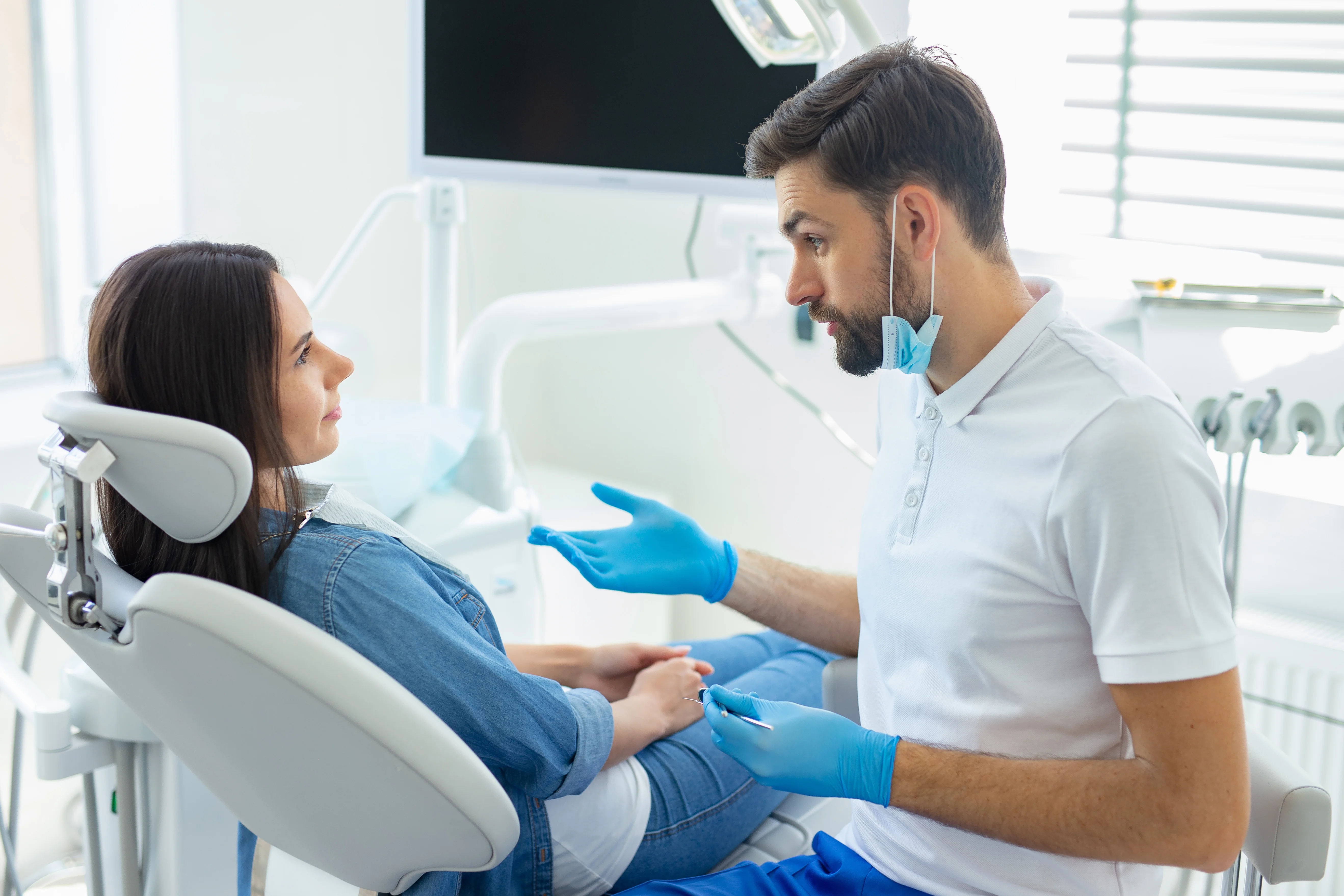
- Control over the pace. You agree a simple signal, such as raising your hand, so you can ask for a break at any point.
- A calm setting. A quiet room, a friendly team and the option of noise cancelling headphones change how a visit feels.
- Careful technique. Treatment is kept as comfortable as possible, and we talk through your options before we start.
At our practice, Dr Mali Aghelnejad holds official certification in treating patients with dental phobia. You can see the details on our Nervous Patient page.
How Can You Prepare for a Calmer Visit?
A little preparation goes a long way. The Oral Health Foundation suggests that you say you feel anxious when you book, so the team can plan around you. Other ideas worth trying:
- Tell us you are nervous. Mention it when you book and again when you arrive.
- Share what worries you most. Whether it is the sound of the drill, needles or simply lying back, naming it lets us plan around it.
- Choose your time. If mornings feel better than afternoons, ask for the slot you find least stressful.
- Eat beforehand and go easy on caffeine. Feeling settled in your body helps you feel settled in your mind.
- Bring something comforting. Calming music or a podcast through headphones helps many people relax.
- Bring someone with you. A friend or family member can come along for support, and the Oral Health Foundation notes they can stay with you if you wish.
- Allow plenty of time. Arriving early and not rushing helps you start steadier.
What Happens at Your First Appointment?
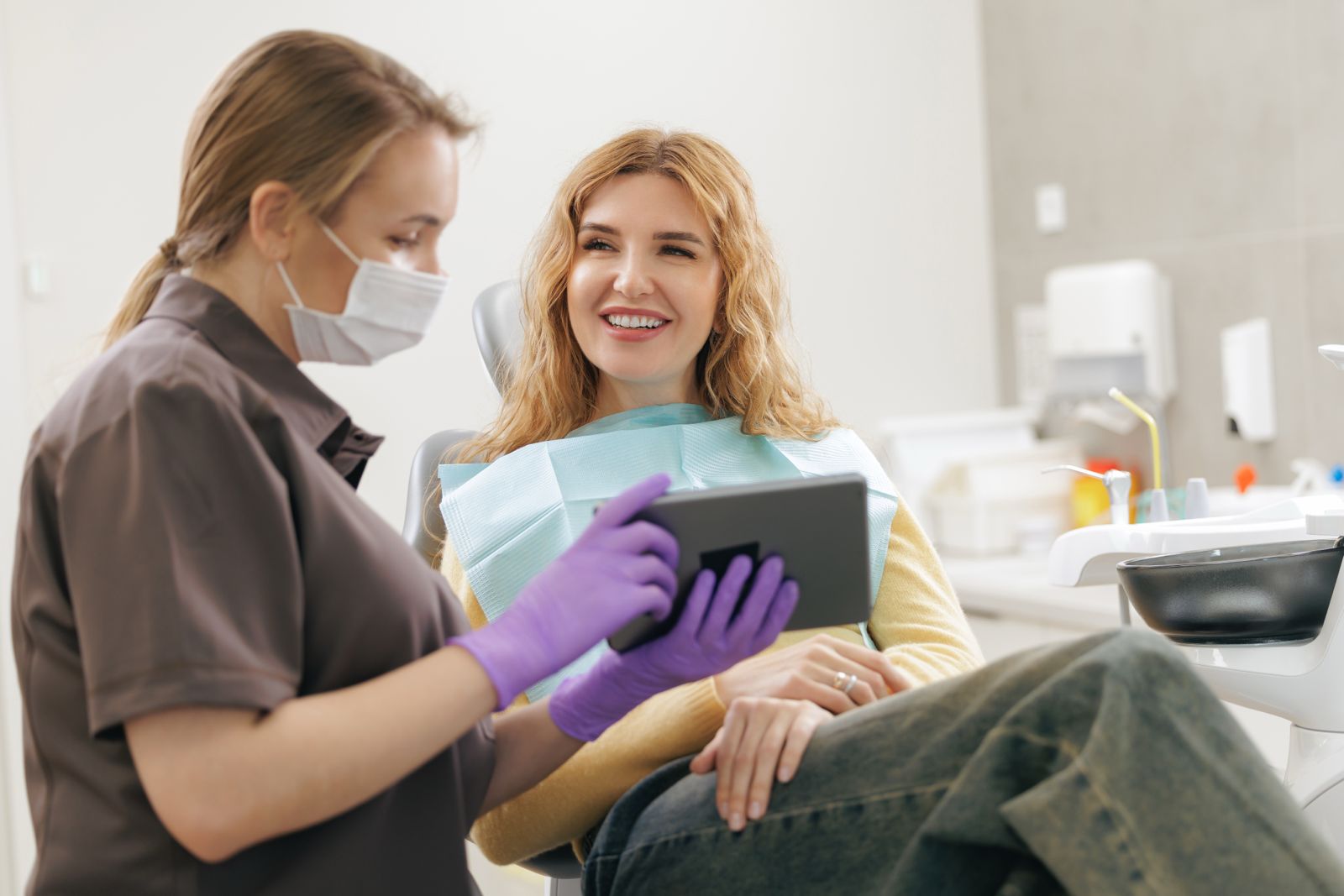
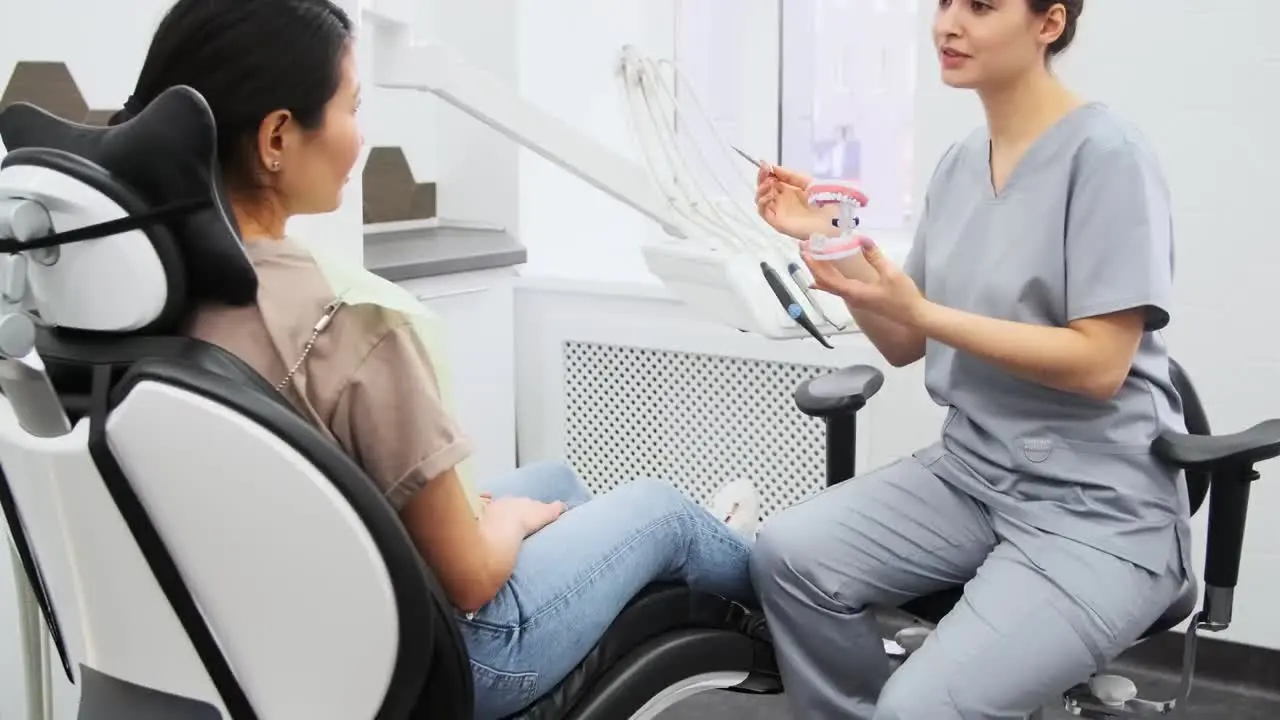
Many nervous patients are surprised by how gentle a first visit can be. We offer a staged approach: an initial chat, a meet and greet visit, a gentle examination and then a personalised plan. You can also start from home with a video consultation if that feels easier. Details are on our Nervous Patient page.
Often the first visit is mostly a conversation. We ask about your health, your past experiences and what you want from your care. A simple examination may follow, and we explain what we see as we go. NHS England's clinical standards for dental anxiety list treatment staging and longer appointments among the techniques that help people with moderate or phobic levels of anxiety, which is the thinking behind this approach.
You are in charge of the pace. If you want to stop, ask a question or take a breath, you can. Nothing is done until you understand it.
If you worry you may not cope with treatment itself, tell us. The Oral Health Foundation notes that options can include medicine to help you relax or a referral to a clinic that offers sedation, and we can talk through what is suitable for you.
Does Putting Off the Dentist Make Anxiety Worse?
It is understandable to avoid something that makes you uneasy. But many people find the worry grows the longer they delay. Small problems can also grow when left unchecked, which sometimes means treatment is more involved than it needed to be.
That is not meant to alarm you. Regular check ups help us spot things early, when care is often simpler, and our guide to preventive dental care explains why. Coming back after a long gap is something we see often, and the first step is usually the hardest.
If you have a particular worry, such as tooth pain you have been ignoring, our post on why teeth become sensitive may help you decide what to do next.
What Helps You Stay Relaxed in the Chair?
Even with a gentle team, a few techniques of your own help.
- Slow breathing. Breathe in through your nose for a count of four, then out gently through your mouth for a count of six. NHS dental anxiety material highlights deep breathing as one of the two main tools for calming the body's stress response.
- Muscle relaxation. Notice where you hold tension, perhaps in your shoulders or hands, and let it soften.
- A focus point. Concentrate on a spot on the ceiling, or picture somewhere peaceful.
- Your agreed signal. Use your hand signal whenever you need a pause, and we will stop straight away.
- Music. Noise cancelling headphones help block out the sounds that bother many people.
A hygiene visit can be a gentle way to build confidence, because it is usually a calm, low pressure appointment. Our post on how professional teeth cleanings protect your oral health explains what to expect.
Take the First Step
If you have been putting off a visit because you feel nervous, a conversation is a good place to begin. Our team will listen, explain and move at a pace that feels right for you. We welcome patients from Willerby, Hull, Brough, Swanland and Welton. Book a video consultation or call us on 01482 656656 to start.
Frequently Asked Questions
Is it normal to feel nervous about going to the dentist?
Yes, it is very common. Many adults and children feel some worry about dental visits, and dental teams are experienced in supporting anxious patients with patience and understanding.
Will the dentist judge me if I have not visited for a long time?
No. A caring team focuses on helping you feel comfortable and supporting your oral health from today onwards.
Can I ask the dentist to stop during treatment?
Yes. You agree a signal with your dentist before treatment begins, so you can pause whenever you need to. Feeling in control is an important part of a gentle approach.
What can I do if I feel anxious before my appointment?
Try slow breathing, listen to calming music on the way and arrive a little early. Letting the practice know in advance that you feel nervous also helps us prepare to support you.
Are there extra comfort options for very anxious patients?
Some people need more than reassurance, and the right option depends on your health and the treatment planned. Tell us how you feel and we will talk through what is suitable.
Still have questions?
Stay updated with dental
wellness tips