

Root Canal Treatment: Myths, Facts and What to Expect
Hearing that you need a root canal brings up questions. Will it hurt? How long will it take? Can you eat normally afterwards? Those worries are common, especially if you have never had one.
According to the NHS, root canal treatment removes infection from inside a tooth, is not painful when done under local anaesthetic, and can save a tooth that might otherwise have to be taken out. Here are the common myths, what actually happens, and what recovery is like.
What Is Root Canal Treatment, and Why Might You Need It?
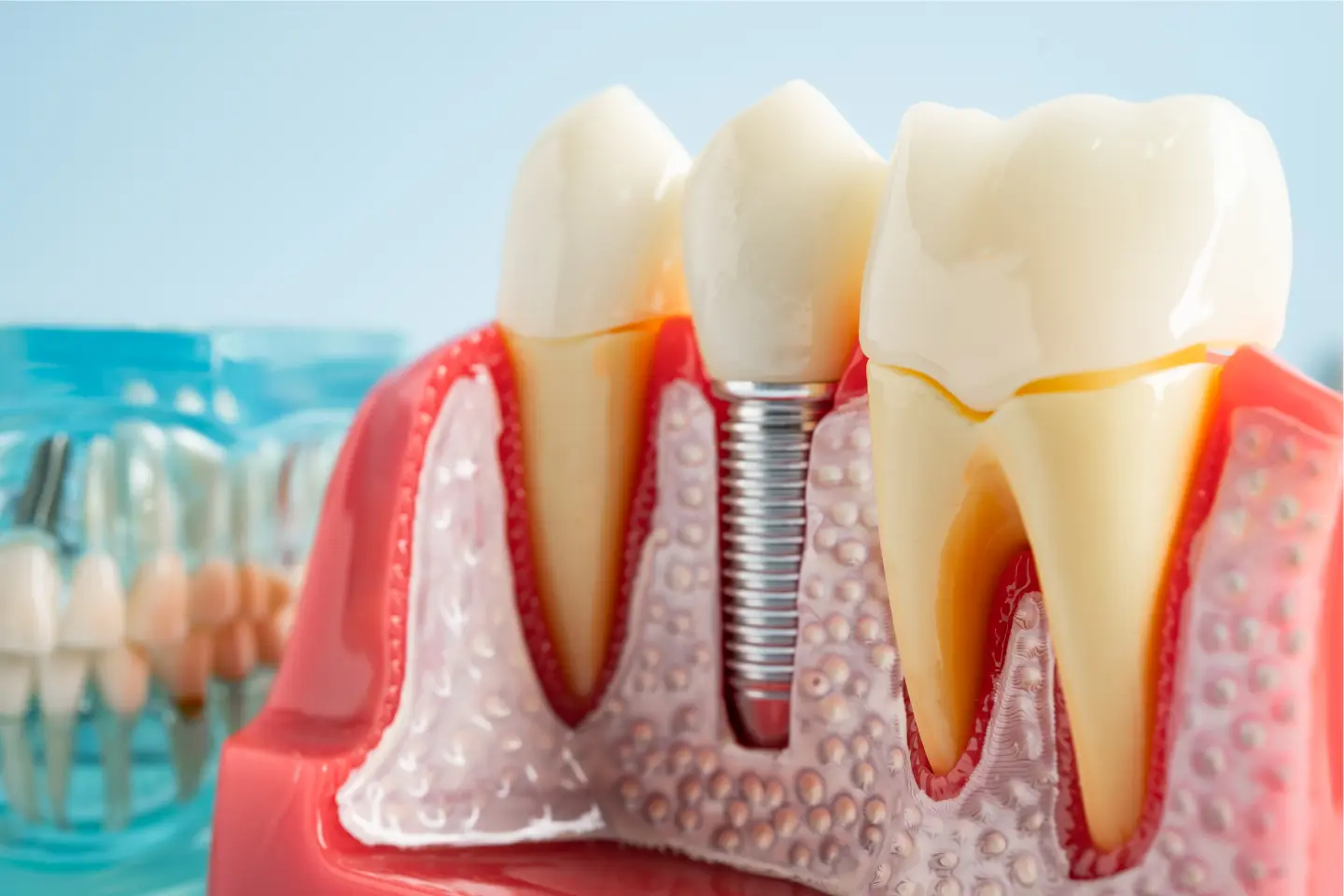
Root canal treatment, also called endodontic treatment, deals with infection or inflammation in the dental pulp, the soft tissue inside your tooth that holds nerves and blood vessels.
Bacteria can reach the pulp through deep decay, cracks, injury or a leaking filling. If the pulp becomes infected, it cannot heal by itself, and the problem can spread to the tissues around the tooth. Treatment removes the affected pulp, cleans and shapes the inside of the tooth, and seals it to stop bacteria returning.
We may recommend it if you have:
- Persistent toothache, or pain when biting
- Lingering sensitivity to hot or cold
- Swelling or tenderness around one tooth
- Deep decay that has reached the pulp
- A tooth that has darkened after an injury
- An abscess or infection linked to a tooth
Not everyone has symptoms. Sometimes an infection shows up at a routine check up or on an X ray. If you are not sure why a tooth hurts, our guide to why teeth become sensitive is a useful starting point.
Five Root Canal Myths and the Facts
Myth 1: It is extremely painful
Fact: treatment is meant to relieve the pain caused by an inflamed or infected pulp. Most of the pain people link to root canals comes from the problem itself, not the treatment. You will usually be given a local anaesthetic, so you stay awake but should not feel pain. You may feel pressure or movement, and you should tell us if anything is uncomfortable so we can adjust.
Myth 2: Pulling the tooth is better than a root canal
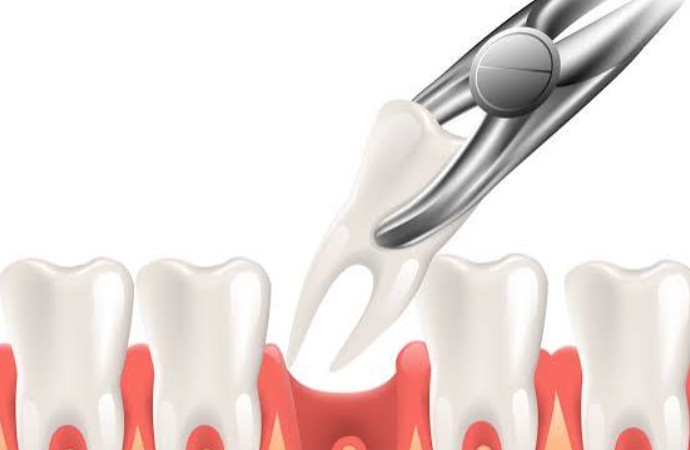
Fact: saving your own tooth is often worth considering when it can be restored. An extraction leaves a gap, which can affect chewing, the neighbouring teeth and future replacement. Our root canal treatment aims to keep your tooth. Not every tooth can be saved, though. The amount of damage, the tooth structure left and the condition of the root all play a part, and we will explain whether a root canal or an extraction is the better route for you.
Myth 3: Root canals make you ill
Fact: there is no reliable scientific evidence that root canal treatment causes illness elsewhere in the body. The purpose is to remove infected tissue and control infection. Leaving a dental infection untreated is what allows it to progress.
Myth 4: The tooth needs no more care afterwards
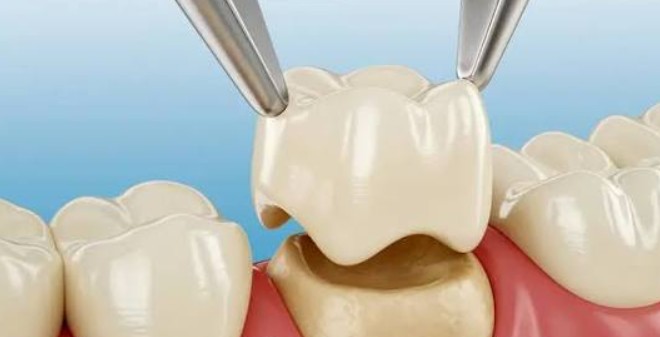
Fact: a treated tooth still needs looking after. The pulp is gone, but the tooth remains part of your bite and can still decay or break. Depending on how much tooth is left, we may recommend a crown for extra protection, which our guide on when you need a dental crown explains. Keep brushing twice a day with fluoride toothpaste, clean between your teeth and keep attending check ups.
Myth 5: If the pain stops, the problem has gone
Fact: pain can ease or disappear while an infection is still there. An infected pulp cannot heal by itself, so a tooth that was sore and has gone quiet should still be assessed. Waiting for the pain to return usually means the infection has had longer to spread.
What Happens During a Root Canal?
Knowing each stage makes the appointment feel less unfamiliar. The exact process varies, but the NHS describes the main steps like this.
- Examination and X rays. We examine the tooth, review your symptoms and take X rays to see the roots, the surrounding bone and the extent of the infection.
- Local anaesthetic. The tooth and the area around it are numbed. If you feel anxious, tell us before we start, and see our Nervous Patient page for how we help.
- Removing the infected pulp. We make a small opening in the tooth and remove the damaged pulp. If there is an abscess, it is drained.
- Cleaning and shaping. The inside of the tooth is cleaned, shaped and disinfected. Root canals can be narrow and curved, so this stage takes care.
- Filling and sealing. The canals are filled, commonly with a material called gutta percha, and the tooth is sealed with a temporary or permanent filling.
- Final restoration. Depending on how much tooth remains, we restore it with a permanent filling or a crown. We take a biomimetic approach to restoring teeth, and you can read more in our post on whether biomimetic dentistry can prevent root canals.
Does a Root Canal Hurt During or After?
During treatment you should feel pressure but not pain. The NHS says the procedure should be no more unpleasant than having a filling. If you do feel discomfort, tell us straight away.
When the anaesthetic wears off, you may notice:
- Tenderness around the treated tooth
- Sensitivity when biting or chewing
- Soreness in the gum nearby
The NHS says the area may feel swollen and sore but should get better in a couple of weeks. Suitable pain relief is usually enough, and we can advise based on your medical history. Contact us if pain gets worse, swelling persists or you develop a fever.
How Long Does It Take?
The NHS says root canal treatment usually takes two or more appointments, which may last one to two hours or sometimes longer. A temporary filling may protect the tooth between visits. How long yours takes depends on the tooth. A front tooth usually has fewer canals than a molar, and other factors include how severe the infection is, how accessible the canals are, whether the tooth has been treated before and which final restoration it needs. We will give you a clear idea after examining the tooth.
What Should You Expect During Recovery?
Recovery is usually manageable, though the tooth may feel tender for a short while. A few practical steps help:
- Be careful when eating. Avoid hard or sticky foods on the treated tooth until the permanent restoration is in place.
- Keep cleaning gently. Keep brushing and cleaning between your teeth.
- Take pain relief as advised. Follow our instructions and the product guidance.
- Come back for the permanent restoration. If you have a temporary filling, return for the final filling or crown as arranged.
- Tell us if symptoms worsen. Increasing pain, swelling or a damaged temporary filling should be checked.
How Long Does a Treated Tooth Last?
The NHS describes root canal treatment as usually successful, and a treated tooth can work for many years. How long yours lasts depends on how much natural tooth remains, the quality of the root filling and final restoration, and how well you look after it. Regular examinations let us monitor the tooth and spot any concern early. A root canal does not make a tooth immune to decay or damage, so it needs the same care as your other teeth.
When Is a Root Canal Better Than an Extraction?
When decay or infection reaches the pulp, extraction is not necessarily the only option. A root canal may be worth considering when the tooth has enough structure left to be restored. We look at:
- Whether the tooth can be restored effectively
- How much damage there is to the tooth and its roots
- The condition of the surrounding gum and bone
- Whether there are cracks or fractures
- Your overall oral health and your preferences
Sometimes an extraction is more appropriate, particularly when a tooth is badly damaged and cannot be restored predictably. A consultation shows you the options, their benefits and their limits before you decide.
Have a Toothache? Talk to Us
If you have toothache, lingering sensitivity or signs of infection, finding out the cause is the first step. You do not have to wait until the pain is hard to manage. We welcome patients from Willerby, Hull, Brough, Swanland and Welton. Contact us or call 01482 656656 to arrange an examination.
Frequently Asked Questions
How do I know if I need root canal treatment?
Persistent toothache, lingering sensitivity to hot or cold, pain on biting, gum swelling and a darkened tooth can point to pulp inflammation or infection. These signs can also come from other dental problems, so an examination and X rays are needed to find the cause.
Can a root canal be done in one appointment?
The NHS says treatment usually takes two or more appointments. Some simpler cases can be completed sooner, but it depends on the tooth, the infection and the treatment needed. We will explain what to expect after examining the tooth.
Can I eat normally after a root canal?
Not straight away. Avoid hard, crunchy or sticky foods on the treated tooth, especially while it has a temporary filling. Once the permanent restoration is in place, you can generally use the tooth for everyday eating, subject to our advice.
Do I always need a crown after a root canal?
Not always. It depends on the tooth's position, how much natural structure is left and the risk of fracture. Back teeth take heavier chewing forces and are more likely to need a crown. We will explain what protects your tooth best.
What happens if I delay a root canal?
Delaying treatment when the pulp is infected or badly inflamed lets the problem progress. That can mean more pain, swelling, an abscess or damage to the tissues around the tooth, and sometimes a tooth that is harder to save. If you have concerns about timing or cost, talk to us rather than leaving the tooth unassessed.
Still have questions?
Stay updated with dental
wellness tips