

What Causes Bad Breath? Common Reasons and Fixes
Most bad breath starts in the mouth, usually from plaque on the teeth and gums or a coated tongue, and it often improves with a better cleaning routine. Dry mouth, gum disease, decay, what you eat and smoking can all add to it. If it does not settle after a few weeks of good care, it is worth having it checked.
Bad breath, also called halitosis, is very common, and there is nothing to be embarrassed about. Here is what causes it, what helps, and when to see us.
What Are the Most Common Causes?
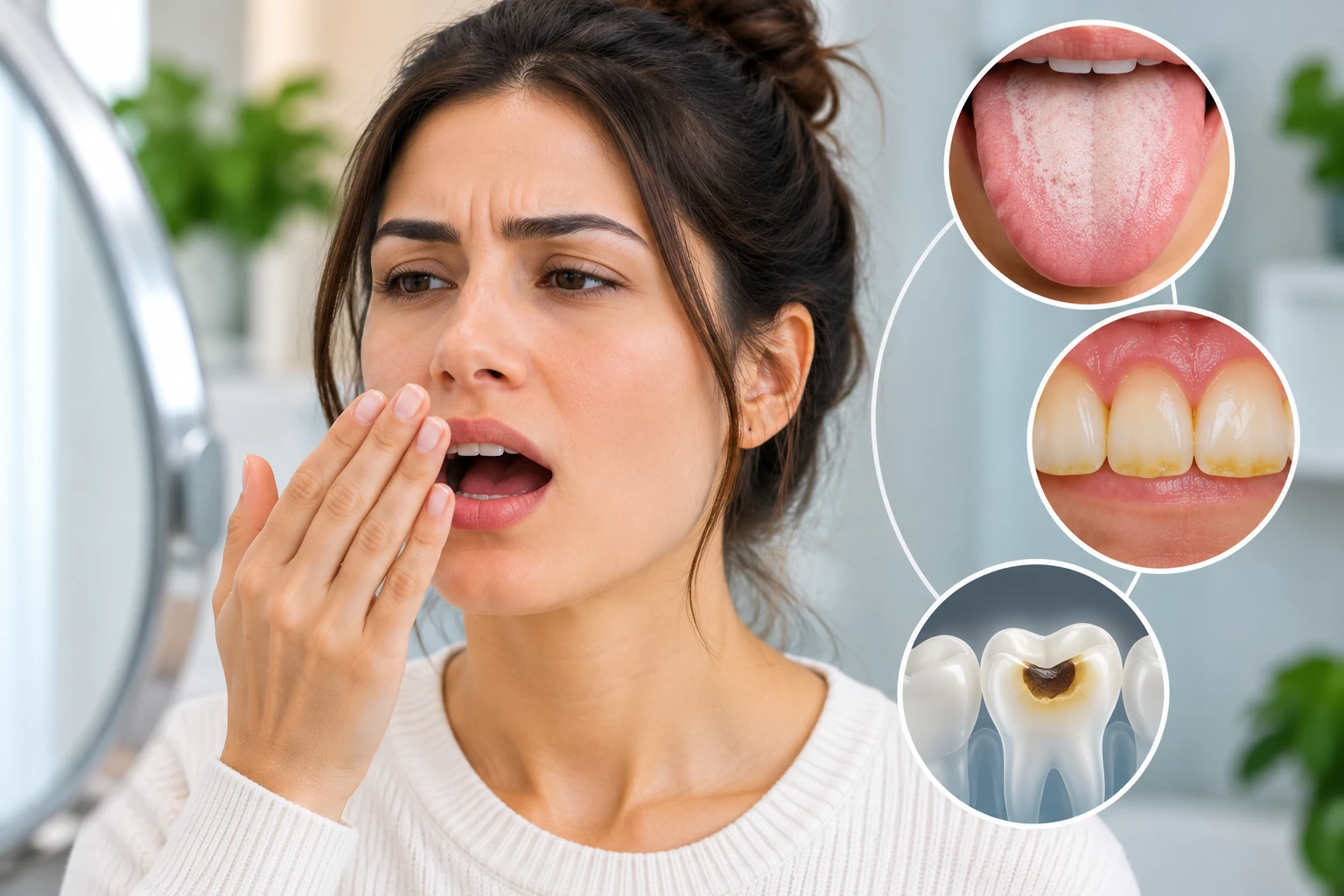
The mouth is home to millions of bacteria. When plaque and food debris build up, those bacteria release sulphur containing compounds that smell. According to the NHS, causes include problems with your teeth or gums, strong smelling foods and drinks, smoking, crash dieting and some medical conditions, such as dry mouth, tonsillitis and acid reflux.
In the mouth, the usual suspects are:
- Plaque on teeth and gums. If brushing and cleaning between the teeth are missed, plaque collects along the gumline and between teeth.
- A coated tongue. The tongue has tiny crevices where bacteria and food particles settle, especially towards the back.
- Food trapped between teeth. Small pieces left behind break down and add to the smell.
- Dentures that are not cleaned well or do not fit well. Dentures hold bacteria, and ill fitting ones trap food. Our post on poorly fitting dentures explains the other problems they can cause.
- Smoking and tobacco. These leave a lingering smell and affect gum health.
Less often, bad breath comes from the nose, throat or digestive system, which is why persistent symptoms are better checked than guessed at.
Can Gum Disease and Decay Cause It?
Yes, they can play a part. When plaque is not removed regularly, gums become red, swollen or tender and may bleed when you brush. This early stage is gingivitis, and it often comes with a stale taste or a smell that does not go away after brushing. Our guide to bleeding gums when brushing explains what to look for.
Left alone, gum problems can develop into more advanced disease, where the tissues supporting the teeth are affected. Our article on the link between gum health and overall wellness shows why this matters beyond your breath.
Decay can also create small cavities where bacteria and food collect. Gum and decay problems are very common and usually manageable when found early. A professional clean, with advice tailored to you, often makes a real difference.
Why Does Dry Mouth Make It Worse?
Saliva is the mouth's natural cleanser. It washes away food particles and bacteria, so when the mouth is dry, odour becomes more noticeable. That is partly why morning breath is common: saliva flow slows during sleep.
Dry mouth has many causes. Some people notice it when they are dehydrated, breathe through their mouth, drink a lot of caffeine or alcohol, or feel anxious. Some medicines also reduce saliva. If you think that applies to you, speak to your GP or pharmacist before changing anything, and read our tips on protecting your teeth while taking long term medication.
A few habits may help:
- Sip water regularly through the day
- Chew sugar free gum to encourage saliva
- Go easy on alcohol based mouthwashes if your mouth often feels dry
- Mention persistent dryness at your next check up
Can Food and Drink Cause It?
Yes, and this is one of the simpler causes. Garlic, onions and some spices contain compounds that are absorbed into the bloodstream and carried to the lungs, so brushing alone may not remove the smell until your body has processed them. Coffee, alcohol and sugary drinks can also leave a lingering odour or help bacteria thrive.
The NHS lists fasting and crash dieting among the causes, so long gaps between meals can change your breath too. If you have recently changed how you eat, keep that in mind.
Drinking water, eating crunchy fruit and vegetables and not skipping meals support a fresher mouth. None of this replaces good oral hygiene, but it works alongside it. Our guide to preventing cavities with simple daily habits covers the habits that help your breath and your teeth.
Which Daily Habits Help Most?
The NHS advice for treating bad breath yourself is simple, and it matches what we suggest:
- Brush twice a day with fluoride toothpaste for two minutes, covering all surfaces and the gumline
- Clean between your teeth every day with floss or interdental brushes, where food and plaque hide
- Clean your tongue once a day with a tongue scraper or cleaner, gently
- Keep dentures clean and remove them at night
- Use sugar free mints or gum after strong smelling food
- Try an antibacterial mouthwash or toothpaste as an extra step, not a replacement for brushing
- Avoid smoking, which helps your breath and your gums
- Replace your toothbrush every three months, or sooner if the bristles look worn
The NHS also advises not rinsing your mouth with water straight after brushing, so the fluoride stays on your teeth, and not brushing so hard that your gums or tongue bleed.
Sprays and mints may help for a short time, but they mask odour more than they fix the cause. A steady routine works better in the long run.
When Should You See a Dentist?
The NHS advises seeing a dentist if bad breath does not go away after treating it yourself for a few weeks, or if you have painful, bleeding or swollen gums, toothache, wobbly adult teeth or problems with your dentures.
A regular check up lets us look at your teeth, gums and tongue and talk through the possible reasons. A hygiene appointment removes the plaque and tartar that brushing misses, and our post on how professional teeth cleanings protect your oral health explains why it often improves breath quickly.
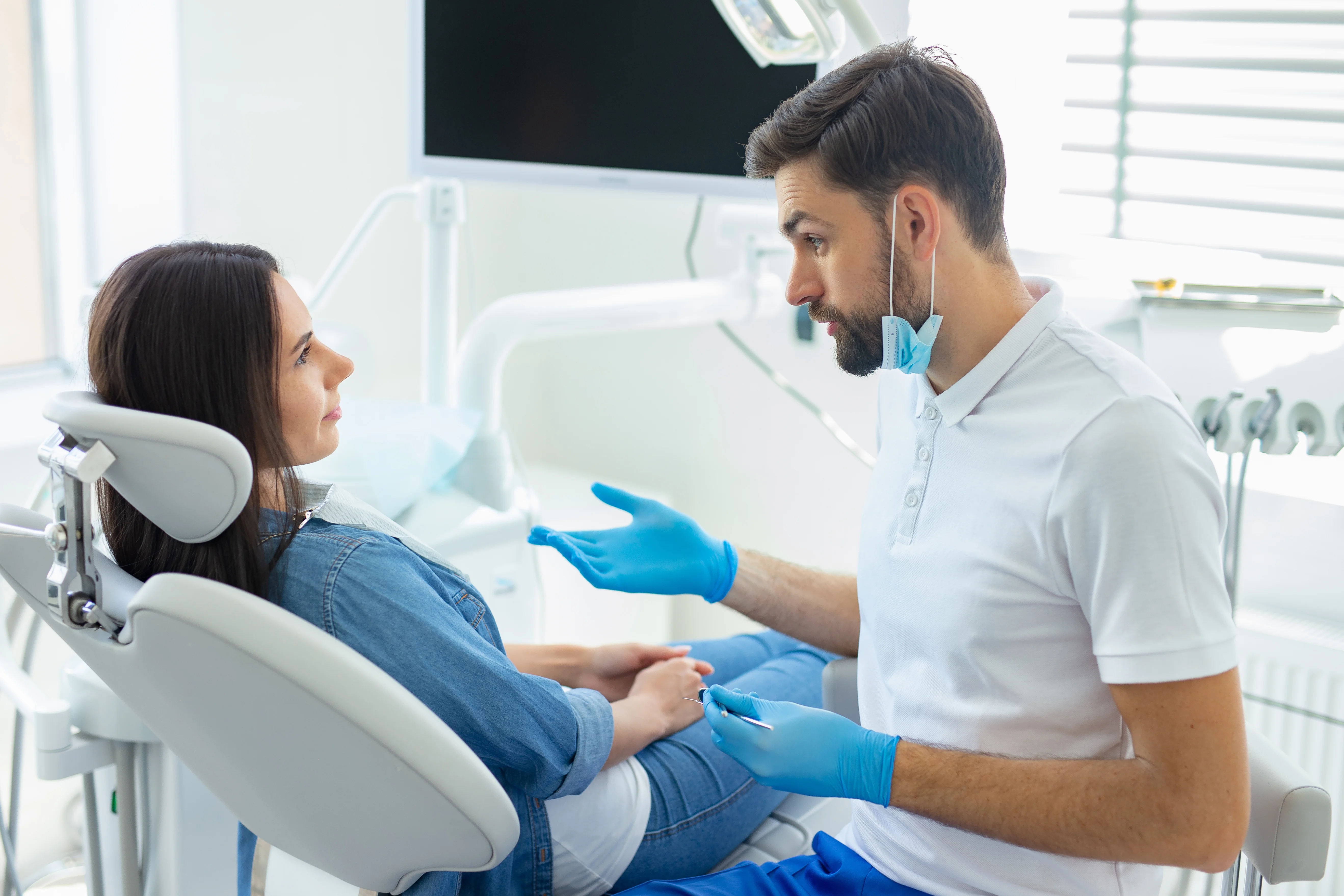
If we think the cause is outside the mouth, we may suggest you speak to your GP. Either way, a conversation is a good first step. We hear about this all the time.
Concerned About Your Breath?
If you are tired of wondering what is causing it, a calm, friendly conversation can help you find out. We will look at your teeth, gums and tongue, talk through possible reasons and suggest a routine that suits you. We welcome patients from Willerby, Hull, Brough, Swanland and Welton. Get in touch to arrange an appointment.
Frequently Asked Questions
Why does my breath smell even after brushing?
Plaque between the teeth, a coated tongue, gum problems or dry mouth may all play a part. Cleaning between your teeth and cleaning your tongue can help, and a check up can explore other reasons.
Is morning breath normal?
Yes. Saliva flow slows during sleep, which lets bacteria build up. Brushing, cleaning your tongue and drinking water when you wake all help.
Can mouthwash cure bad breath?
Mouthwash may freshen your breath temporarily, but it does not usually fix the underlying cause. It works best as an addition to brushing and cleaning between your teeth.
Can bad breath be a sign of something serious?
Usually it relates to oral hygiene or lifestyle. Occasionally it relates to other health matters, so if it persists, have it checked by your dentist or GP.
How often should I see the dentist if I am worried about my breath?
We recommend a check up interval based on your oral health. If you are concerned, there is no need to wait for your next routine visit, and you can arrange an appointment sooner.
Still have questions?
Stay updated with dental
wellness tips