

Tooth Reshaping in Swanland
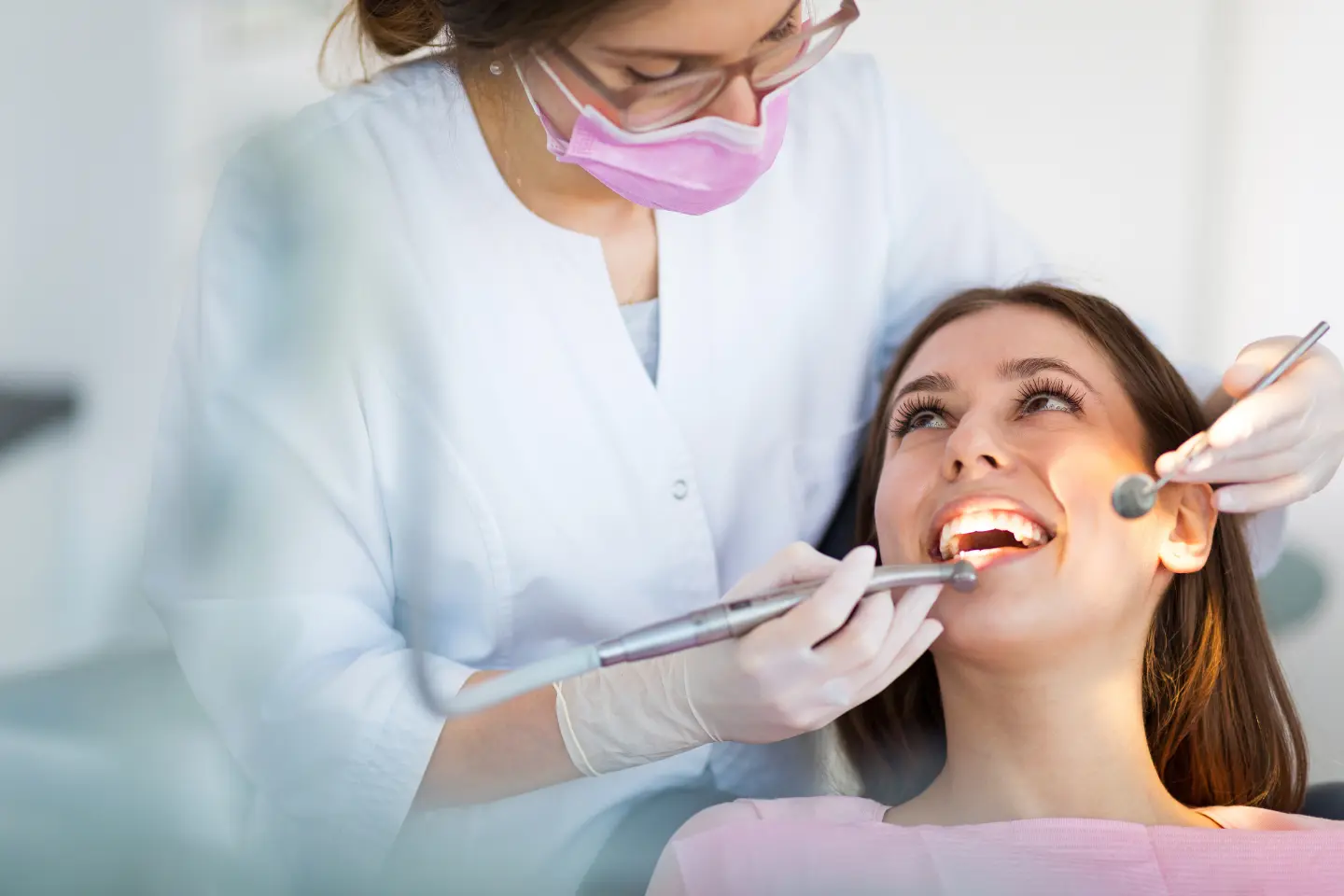
Minor chips, uneven edges or slightly overlapping teeth can sometimes be improved with a simple reshaping procedure. Tooth reshaping in Swanland at Willerby Dental Care involves gently contouring the enamel to create a smoother, more balanced appearance.
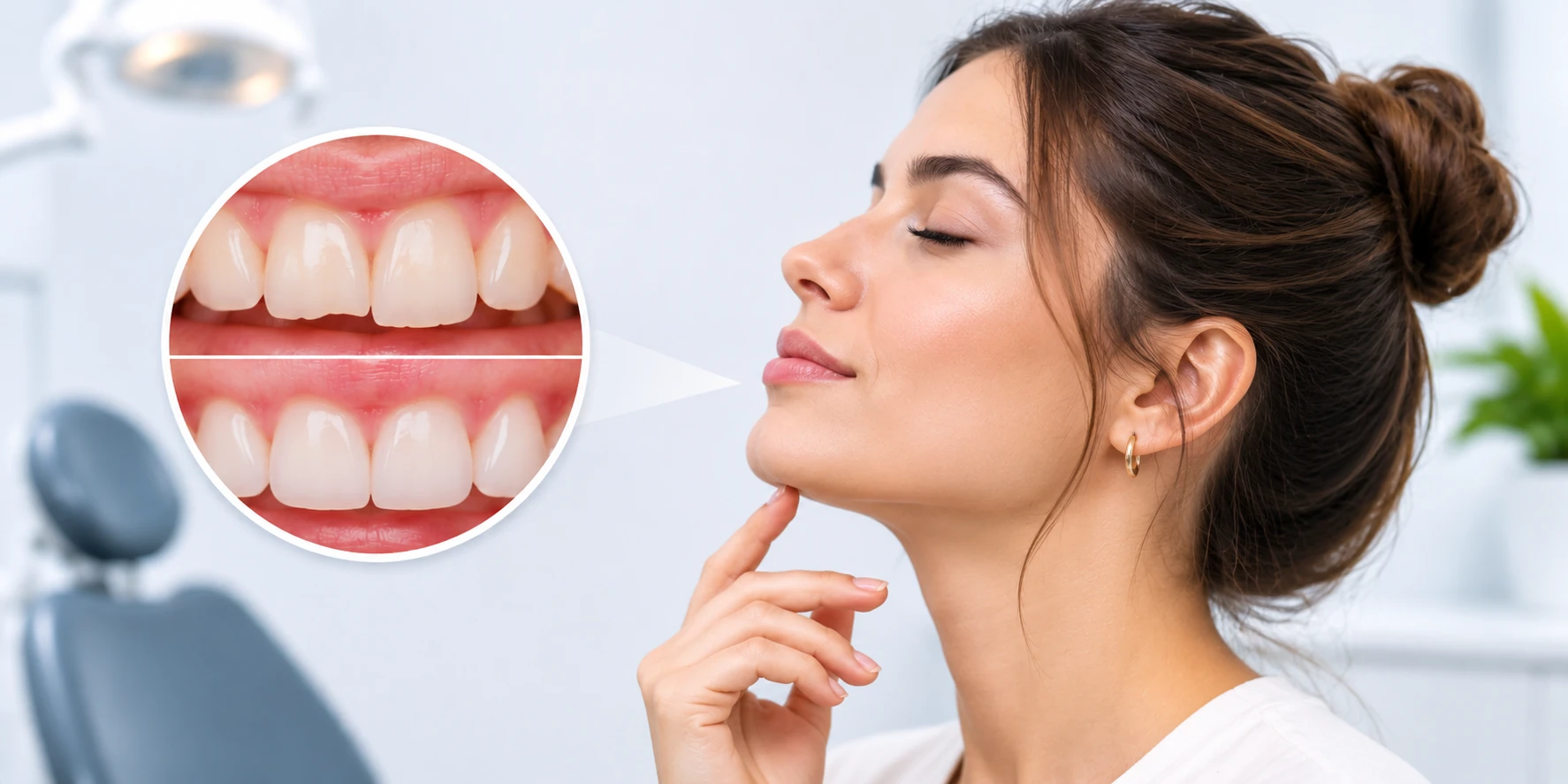
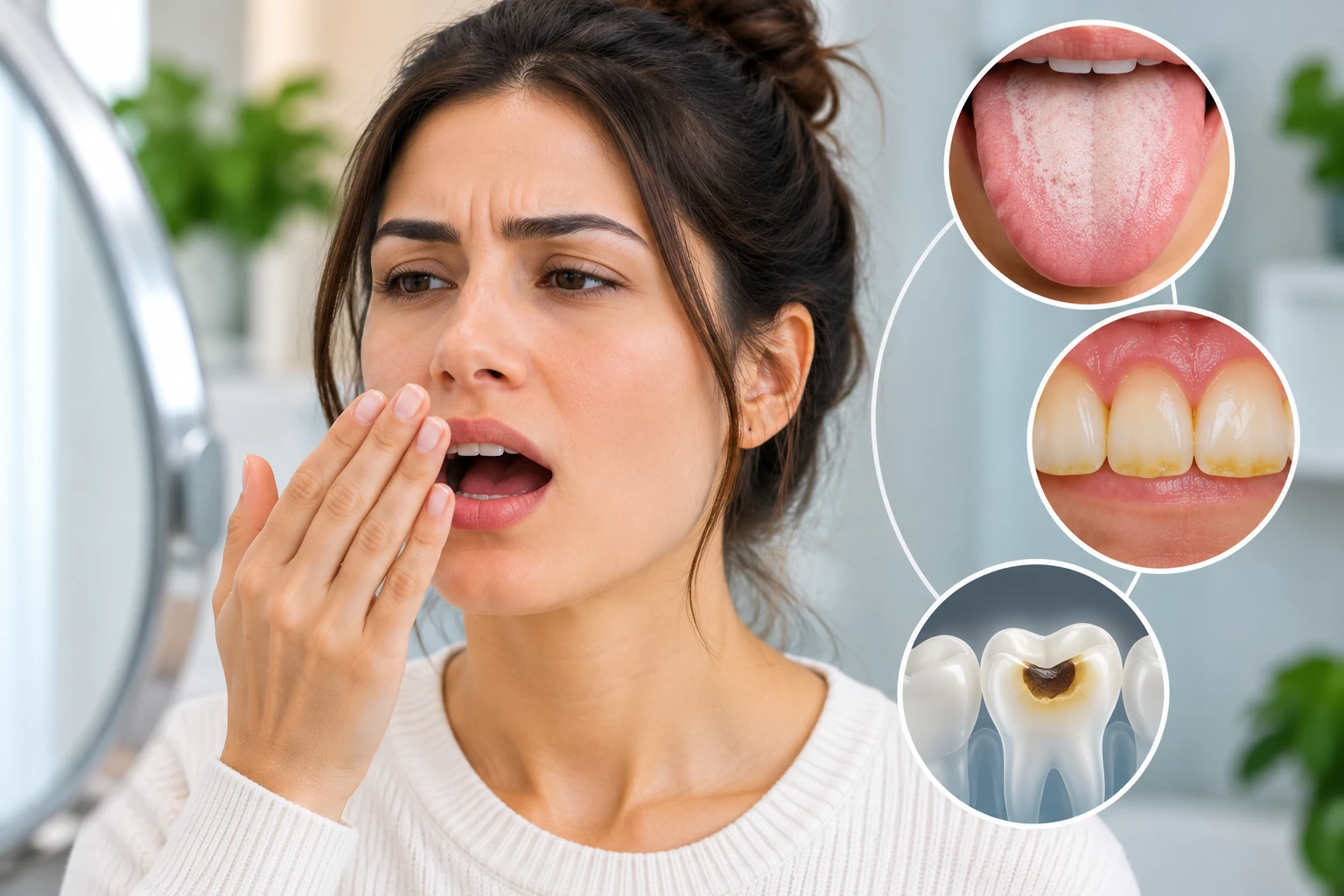
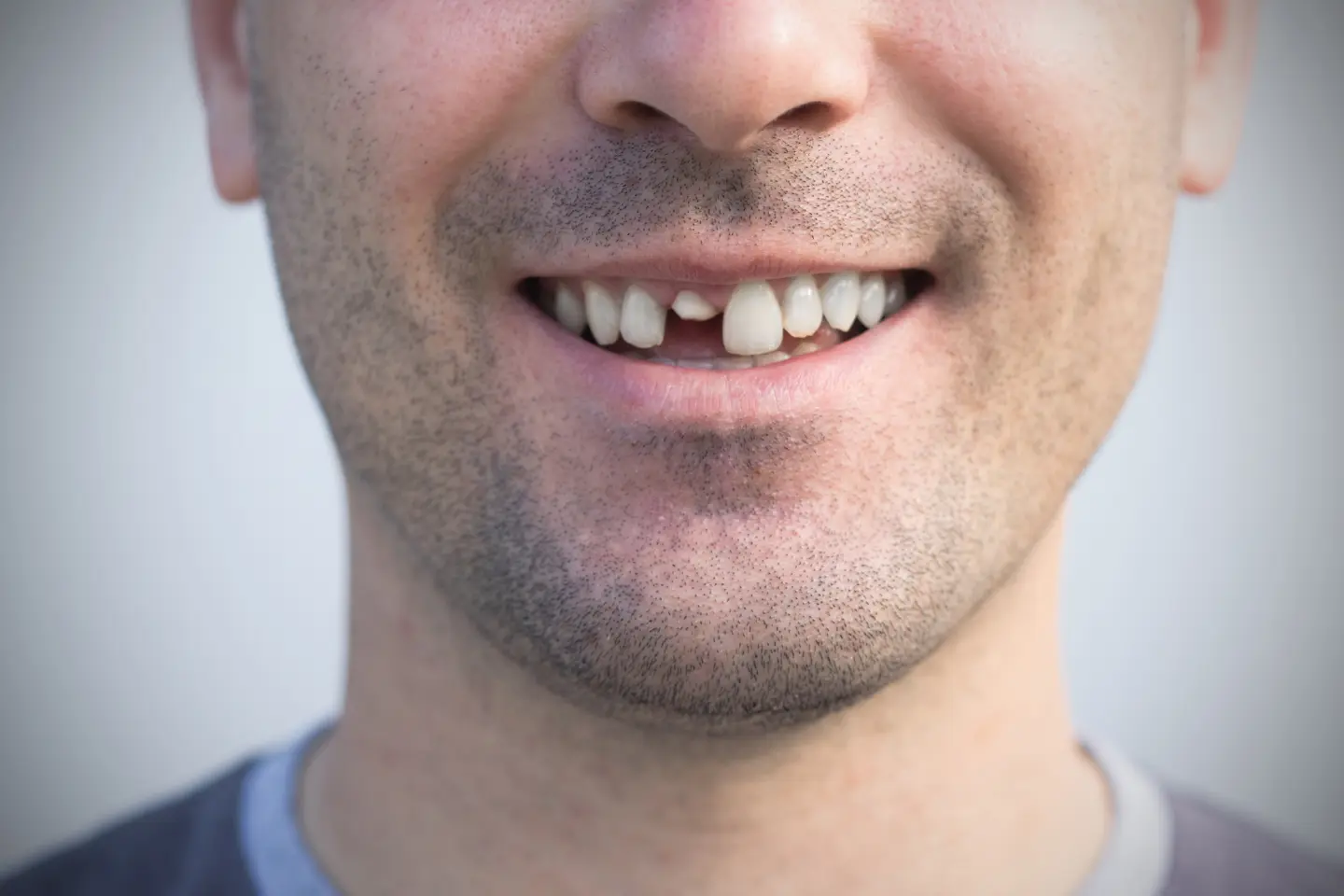
Sometimes it's not the whole smile you're bothered by. It's one tooth. A slightly pointed canine, an edge that's chipped from a fall years ago, or a front tooth that's a touch longer than its neighbour. Little things like that can nag at you every time you look in the mirror. The good news is that you don't always need a big treatment to improve them. For some people, tooth reshaping in Swanland can be a simple, comfortable way to refine the look of their teeth. Here's what it involves, who it might suit and what to think about before you decide.
What Is Tooth Reshaping in Swanland and How Does It Work?
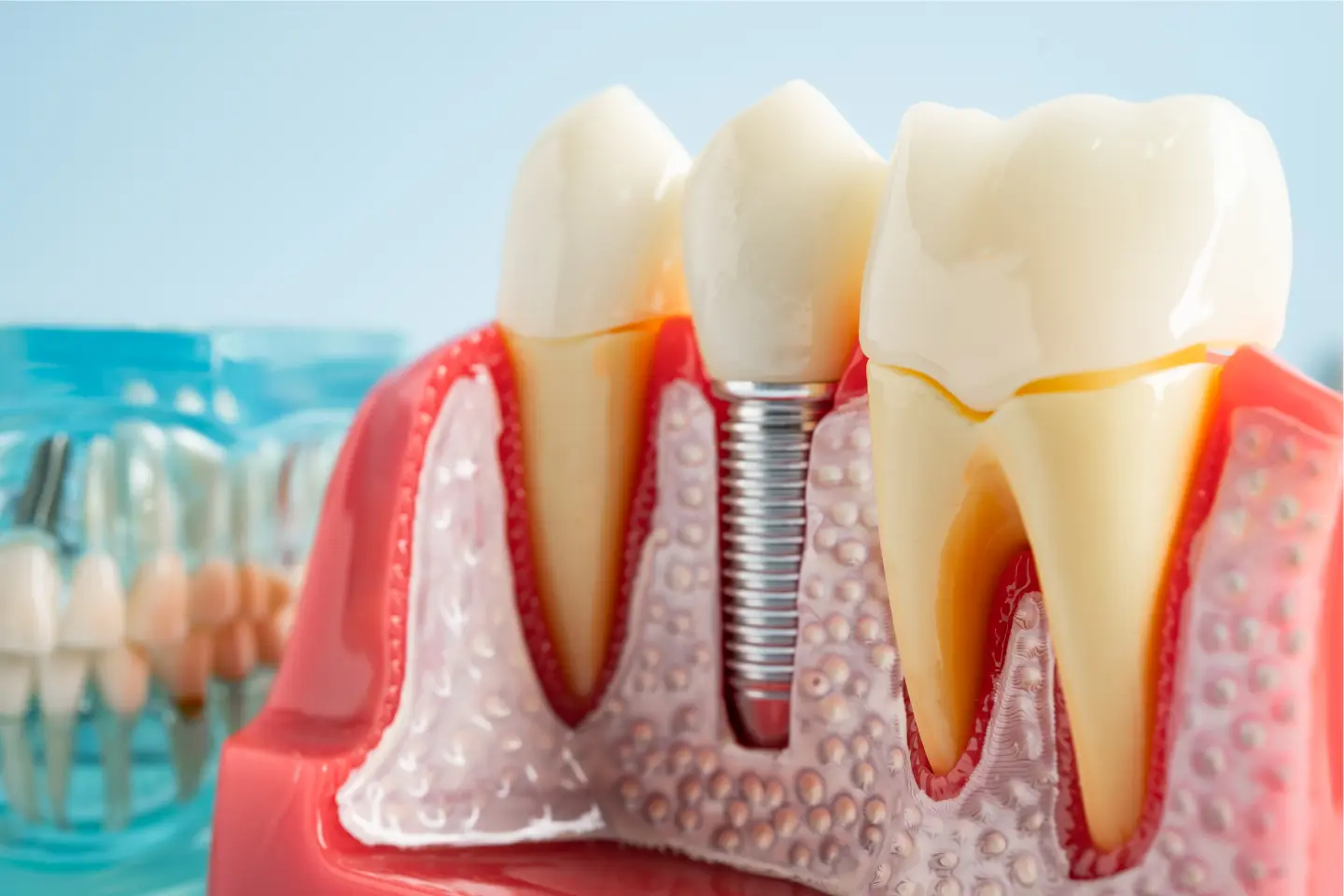
Tooth reshaping, also called tooth contouring, enameloplasty or odontoplasty, is a cosmetic dental treatment where a small amount of enamel is gently removed or smoothed to change the shape, length or surface of a tooth. It may be combined with bonding, where tooth-coloured material is added to build up a tooth, depending on what you'd like to achieve.
Think of it like a light sculpt rather than a rebuild. The dentist uses fine instruments, such as polishing discs or a small drill, to refine the tooth bit by bit. Because enamel doesn't grow back, tooth reshaping in Swanland, like anywhere else, is done carefully and conservatively. Your dentist will usually check how much enamel is available before suggesting it.
What Can Tooth Reshaping in Swanland Help With?
Plenty of everyday concerns can be considered for reshaping, depending on your teeth and how much enamel is available. Common examples include:
Slightly chipped or worn edges: Small chips can often be smoothed, or rebuilt with bonding if needed.
Uneven tooth length: One tooth that sits a little longer than the rest can sometimes be shortened gently to balance the smile.
Pointed or sharp canines: Rounded corners can soften the look of teeth that feel a bit pronounced.
Minor overlaps or crowding: In some mild cases, reshaping can help teeth look more even, although it isn't a replacement for orthodontic treatment.
Rough or irregular surfaces: Smoothing can improve the feel and look of teeth with small bumps or ridges.
Slight asymmetry: Reshaping can help create a more balanced appearance between neighbouring teeth.
It's worth knowing that reshaping isn't suitable for every situation. If a tooth is badly broken, heavily decayed or very crowded, other options such as veneers, crowns or orthodontics might be more appropriate.
Is Tooth Reshaping in Swanland Right for You? Who May Be a Good Candidate?
It helps to be realistic about what this treatment is. It's best for small, subtle improvements. You may be a good candidate if:
Your teeth and gums are healthy
The tooth you'd like to change has enough enamel
Your concerns are minor rather than major
You want a quick, conservative treatment
You're comfortable with the idea that changes can't be undone
On the other hand, reshaping may not be advised if you have thin enamel, deep decay, existing sensitivity or large fillings in the area. Your dentist will usually take X-rays to check the thickness of the enamel and the position of the pulp before going ahead, and they'll be honest if they think another approach would suit you better.
What Happens During a Tooth Reshaping Appointment in Swanland?
One of the nicest things about this treatment is how straightforward it tends to be. Many people find the whole thing is over in a single visit, though it depends on how many teeth are involved.
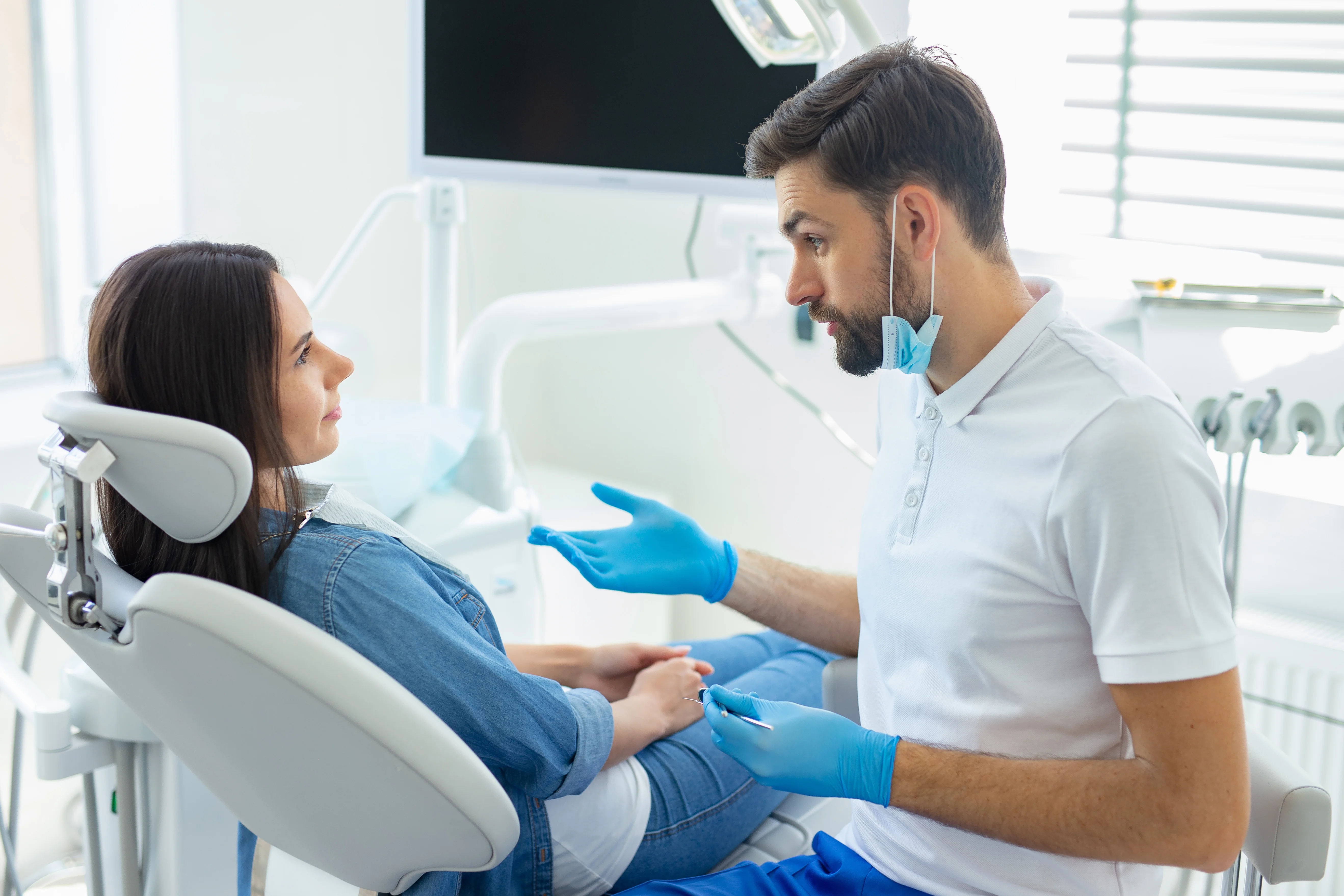
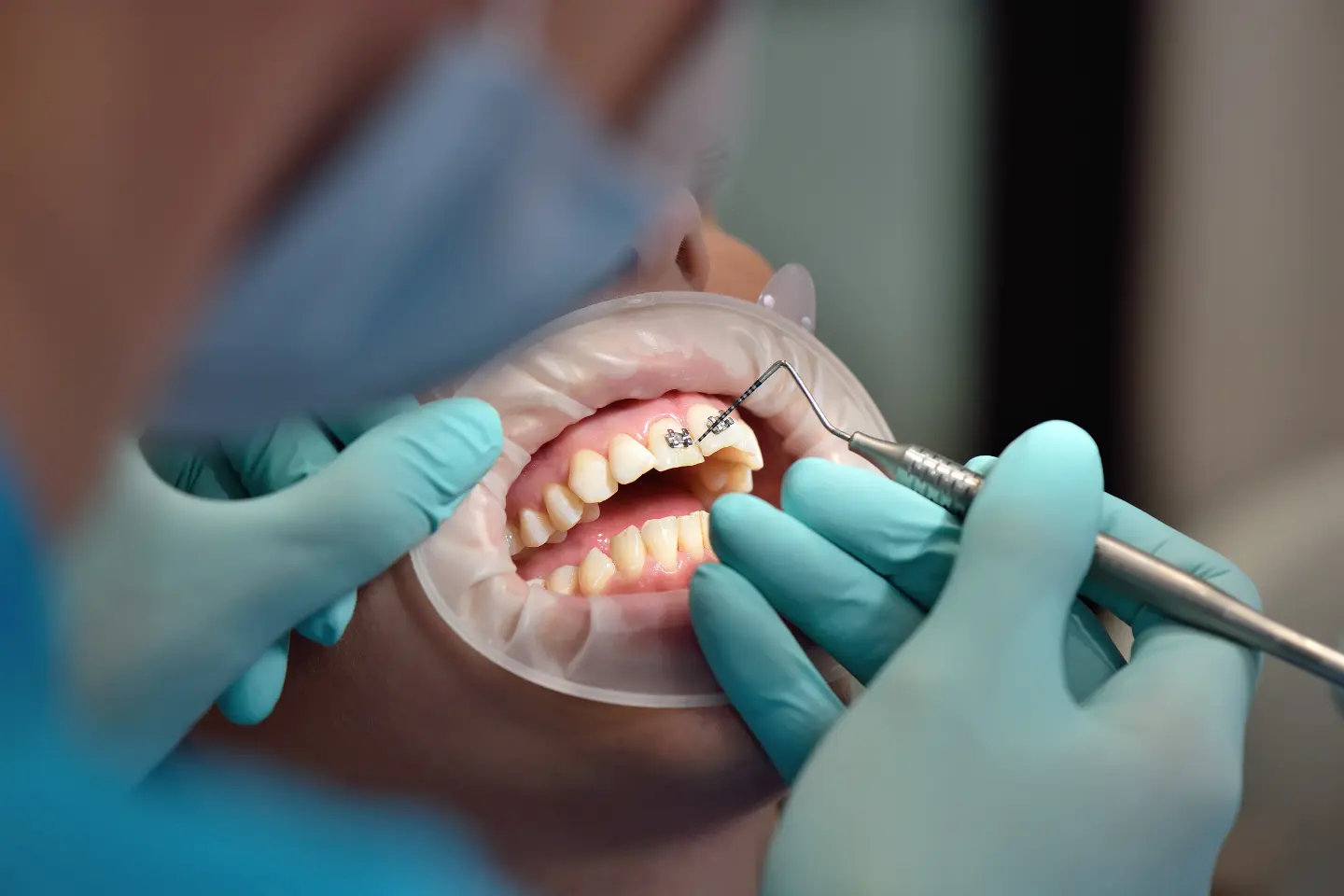
Consultation and assessment: You'll talk through what you'd like to change, and your dentist will examine your teeth and gums. X-rays or photographs may be taken.
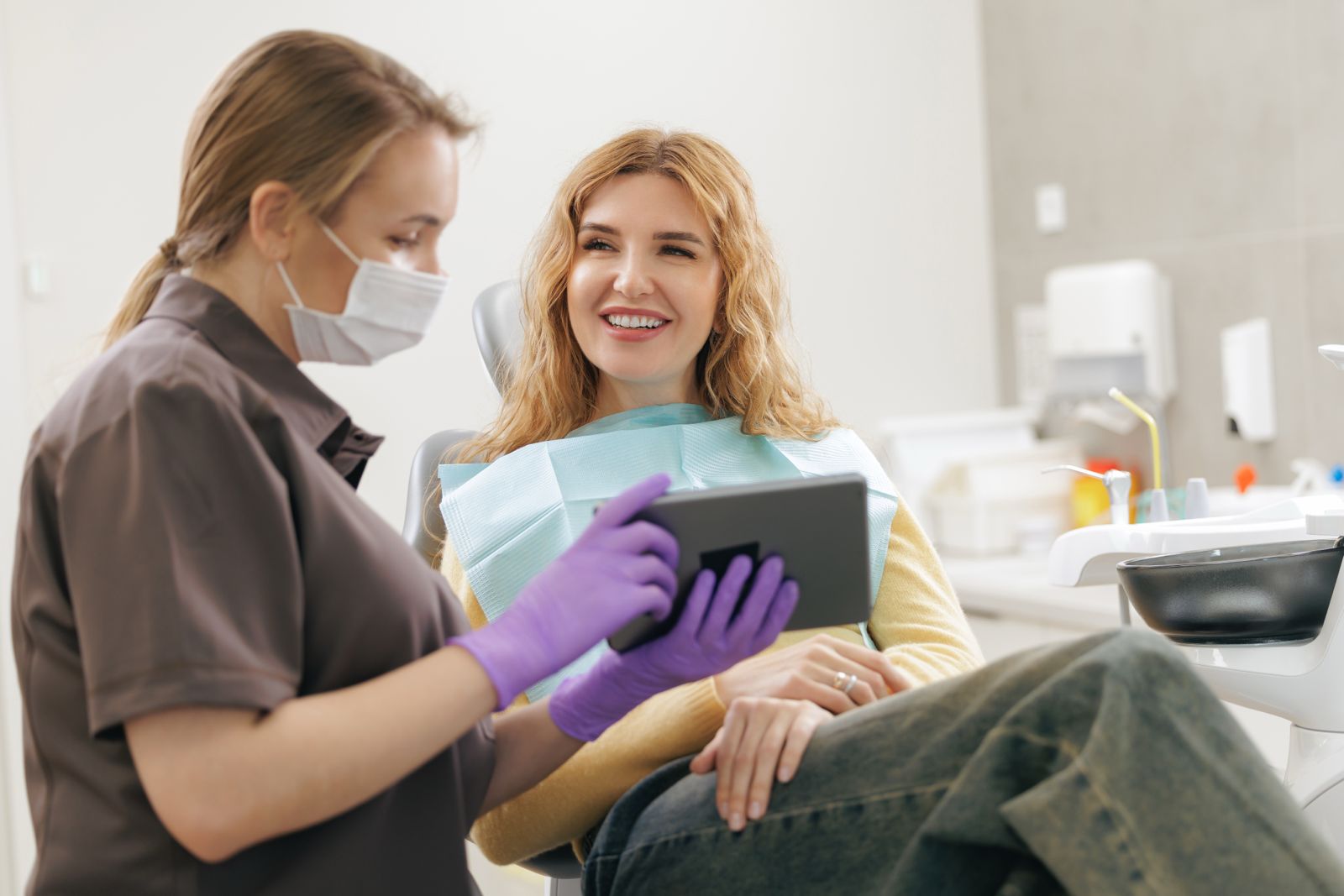
Planning: Your dentist may mark the areas to be reshaped and explain how much enamel may be removed.
Reshaping: Using fine tools, small amounts of enamel are gently smoothed away. Anaesthetic isn't always needed because the outer layer of enamel has no nerves, but your dentist will discuss comfort with you.
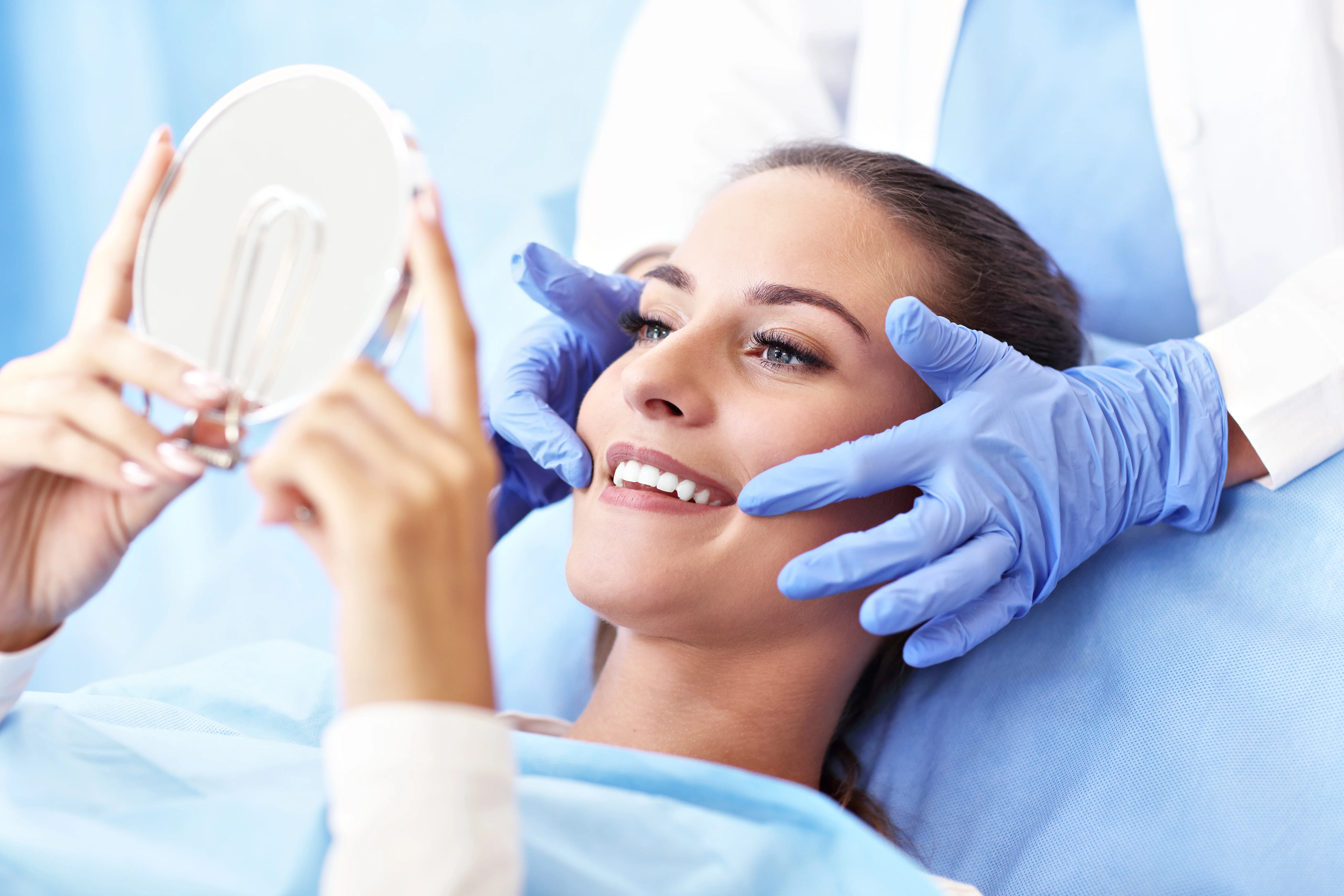
Polishing: The teeth are polished so they feel smooth and look natural.
Checking the bite: Your dentist makes sure your teeth meet comfortably.
If bonding is being used alongside reshaping, the appointment may take a bit longer.
How Does Tooth Reshaping Compare With Bonding and Veneers?
If you're weighing up options, it's useful to see how the main cosmetic treatments differ.
Tooth reshaping: Removes a tiny amount of enamel. It's quick and often comfortable, but it can only make small changes.
Dental bonding: Adds tooth-coloured material to build up or reshape a tooth. It can fix chips, gaps or uneven edges, and it's usually quite conservative, though it may need repair or replacement over time.
Veneers: Thin shells are bonded to the front of the teeth for more dramatic changes in shape, colour and alignment. They involve more preparation and usually a higher cost.
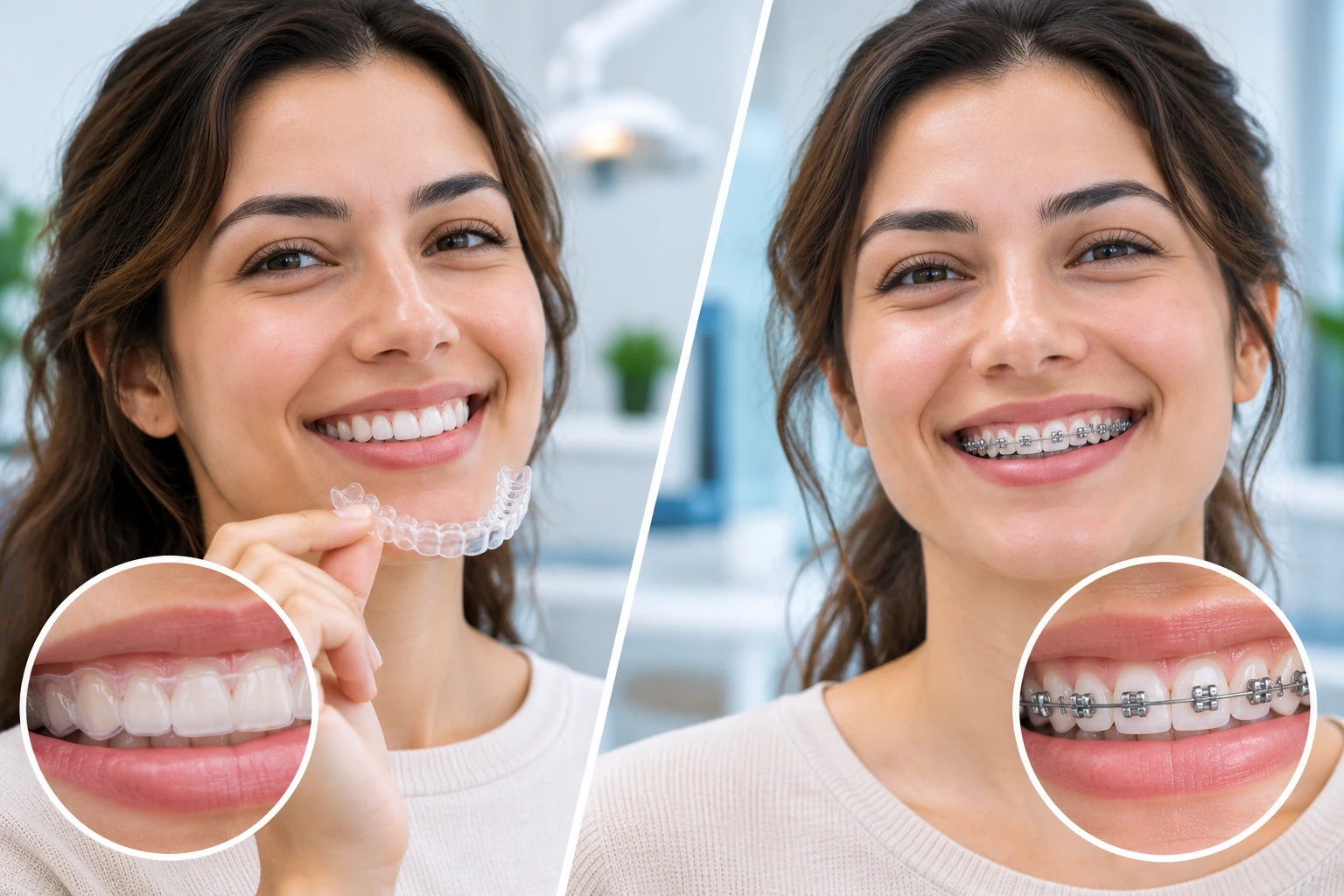
Orthodontics: If the main issue is tooth position rather than shape, braces or aligners may be a better route.
Often, a combination works best. Your dentist can explain which route makes sense, and you're free to take your time deciding.
What Is Recovery Like After Tooth Reshaping in Swanland?
Most people can carry on with their day almost immediately. Some notice temporary sensitivity to hot or cold, particularly if more enamel was smoothed than usual. It tends to settle on its own, and a toothpaste made for sensitive teeth may help.
Your dentist will advise on any aftercare, which might include being gentle with the treated teeth for a short while. Ongoing good habits matter too: brushing twice a day, cleaning between your teeth and keeping up with check-ups all help protect your enamel, especially since there's less of it once it's been reshaped.
What Are the Risks and Limitations of Reshaping Teeth?
Every treatment has its limits, and it's better to know them upfront.
It's irreversible: Enamel doesn't grow back, so changes are permanent.
Sensitivity: Some people notice temporary or, in some cases, longer-lasting sensitivity.
Limited scope: It can only make small adjustments. Bigger changes may need other treatments.
Results vary: What looks right on paper might feel different in your mouth, so open communication with your dentist is key.
A cautious, conservative approach is usually best. Removing a little at a time gives you room to change your mind, whereas taking too much can't be undone.
Ask About Tooth Reshaping in Swanland at Willerby Dental Care
If one small thing about your smile keeps catching your eye, it might be worth a conversation. The team at Willerby Dental Care can look at your teeth, explain whether tooth reshaping in Swanland could be a sensible option for you, and talk through other choices if something else would suit you better.
Willerby Dental Care welcomes patients from Willerby, Hull, Brough and Swanland. Get in touch to discuss your smile and arrange a consultation about tooth reshaping in Swanland. At Willerby Dental Care, the focus is on honest advice and gentle, unhurried care, so you can decide what feels right. Contact Willerby Dental Care today to book your visit.
FAQs About Tooth Reshaping in Swanland

Prefer a virtual consultation?
Stay updated with dental
wellness tips