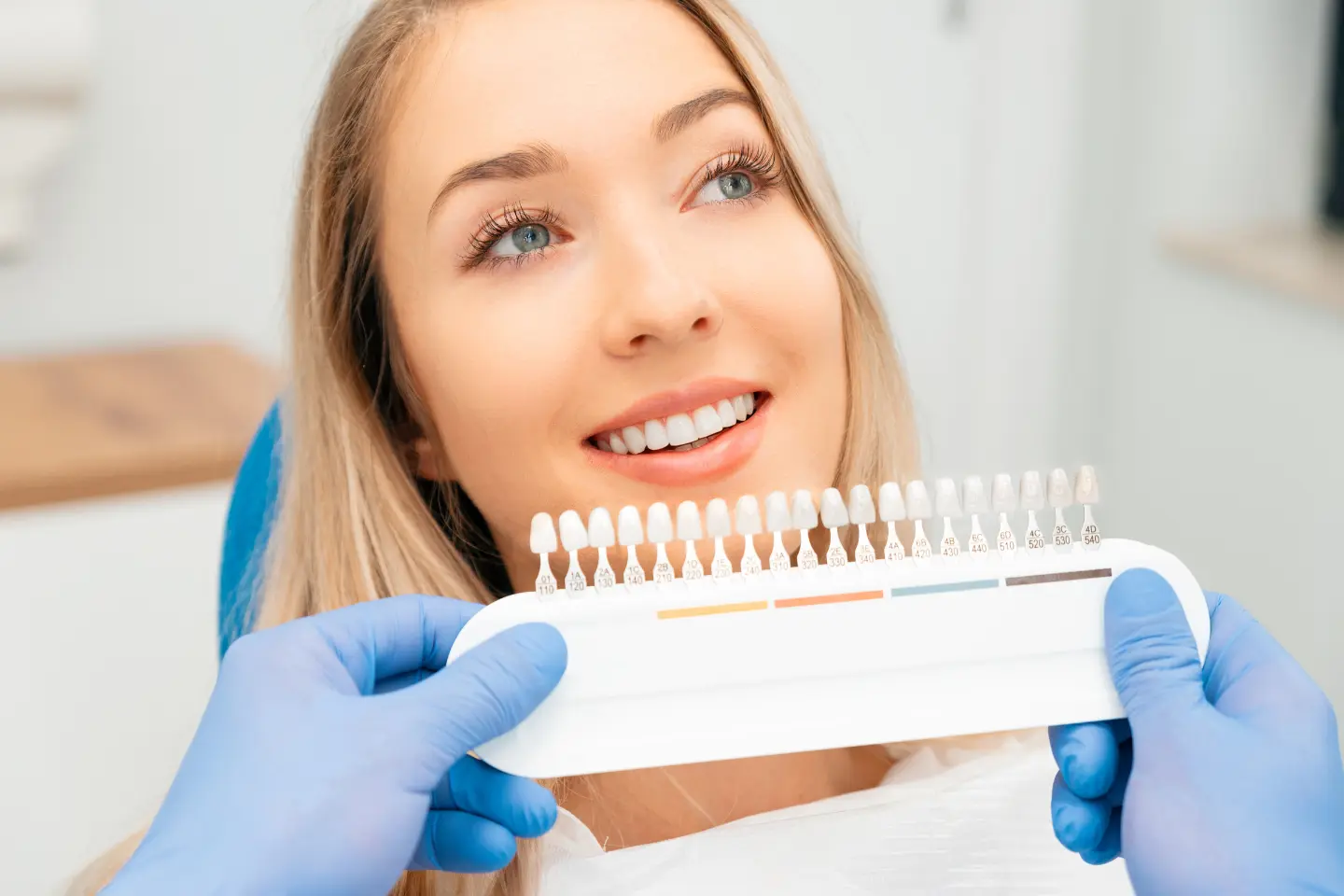


Stain Removal Services in Swanland
Surface stains from tea, coffee and everyday habits can dull your smile over time. Professional stain removal services in Swanland at Willerby Dental Care help lift discolouration, leaving your teeth feeling cleaner and looking brighter.
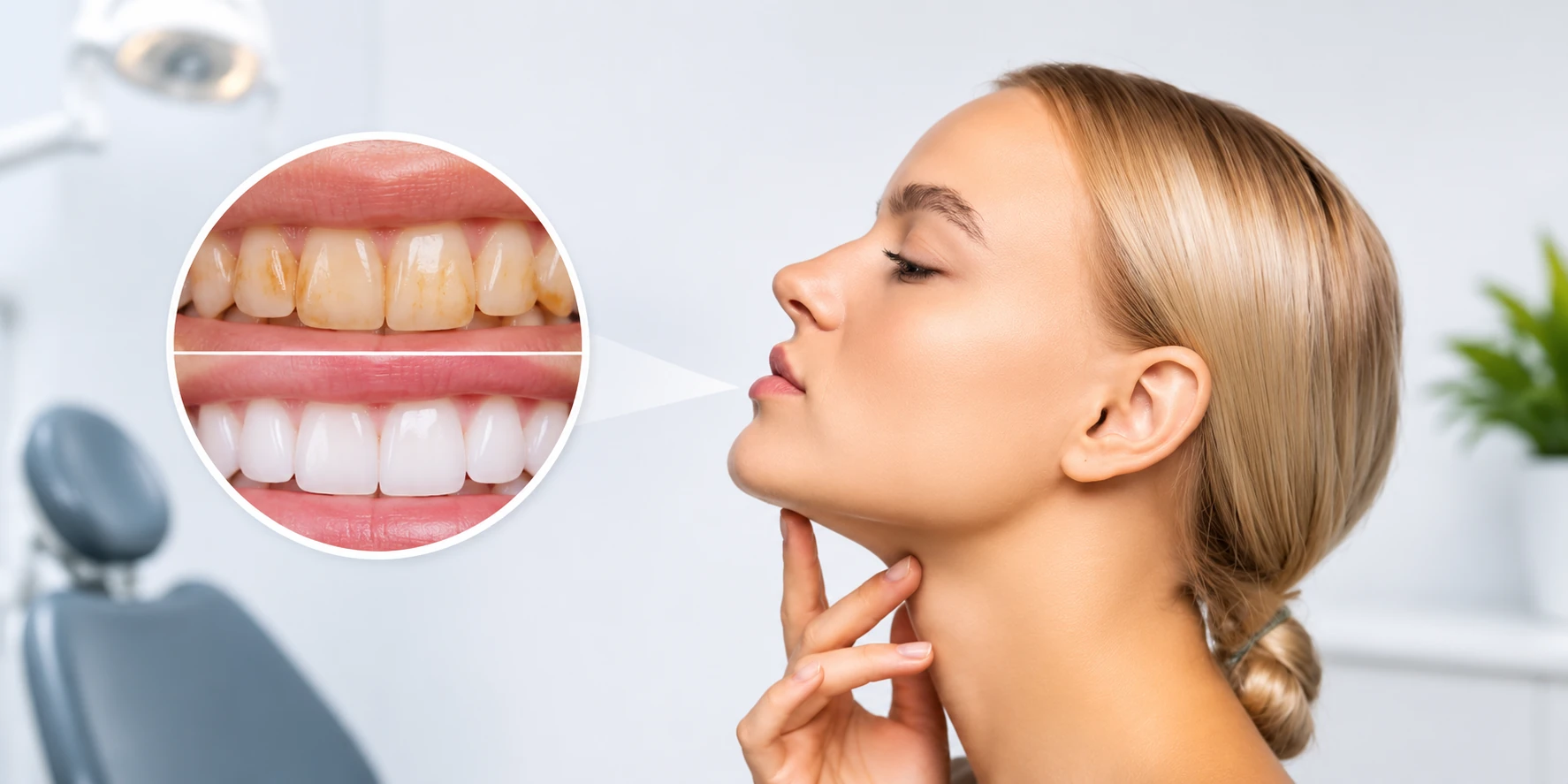
You brush twice a day, you floss when you remember, and yet your teeth still don't look as bright as they used to. It's a common frustration. Stains build up gradually from tea, coffee, red wine, certain foods and even just the passing of time. If you've been thinking about stain removal services in Swanland, this page covers what's involved, what to expect during the process and how treatment at Willerby Dental Care can help you feel more confident about your smile.
What Causes Teeth Stains and Why Do They Keep Coming Back?
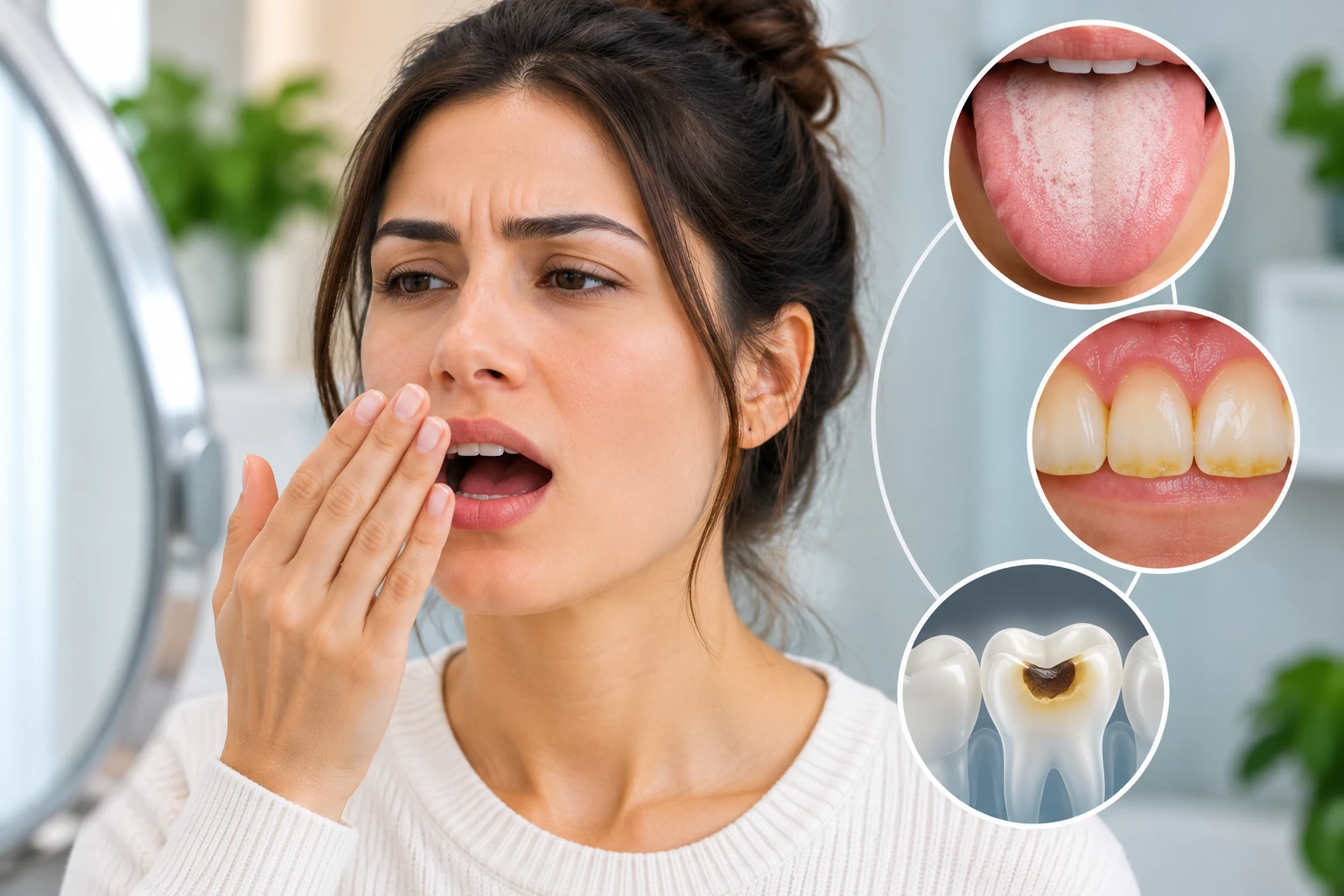
Teeth stains fall into two main categories. Extrinsic stains sit on the outer surface of the enamel and are usually caused by things like coffee, tea, red wine, tobacco and strongly coloured foods such as berries or curry. These stains are often yellowish or brown and tend to build up in areas that are harder to reach with a toothbrush.
Intrinsic stains develop inside the tooth structure. They can result from certain medications, fluorosis, trauma to a tooth or simply ageing. These deeper stains are harder to address with surface cleaning alone and may require whitening or other cosmetic treatments.
Even after a professional clean, extrinsic stains can return over time if the habits that caused them continue. That's not a reason to avoid treatment — it just means that regular maintenance and good daily care are part of keeping your teeth looking their best.
What Do Stain Removal Services in Swanland Usually Involve?
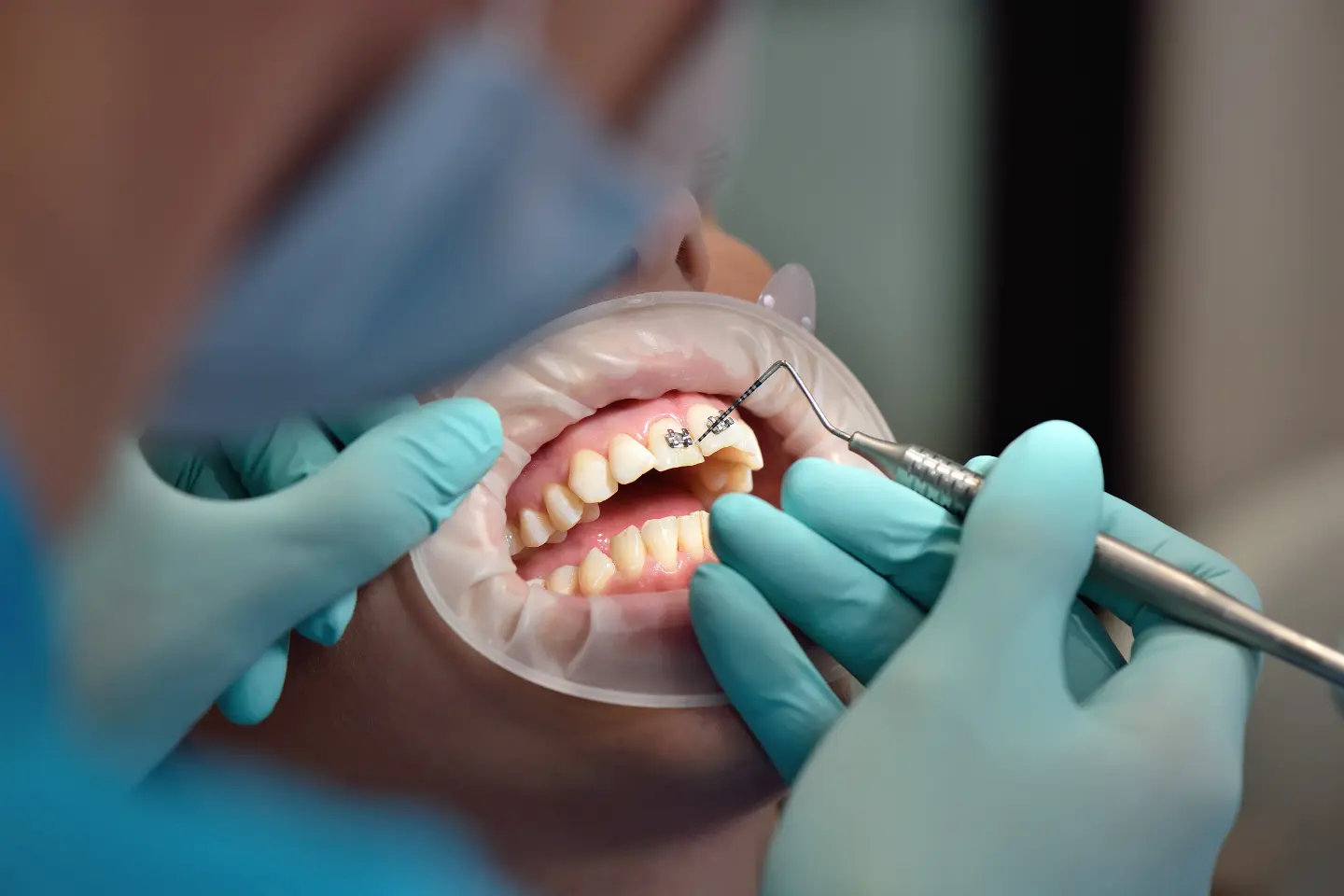
At Willerby Dental Care, stain removal typically begins with a thorough assessment of your teeth and gums. Your dentist will check for any signs of decay or gum disease before recommending a cleaning approach.
The most common method is a professional scale and polish. Scaling removes hardened plaque (tartar) from above and below the gumline using specialist instruments. Polishing follows, using a mildly abrasive paste and a rotating brush or rubber cup to buff away surface stains. For more stubborn discolouration, airflow treatment may be recommended. This uses a controlled jet of air, water and fine powder to lift stains from hard-to-reach areas, including between teeth and around brackets or restorations.
Is Professional Teeth Cleaning Different From Teeth Whitening?
Yes, they serve different purposes. A professional clean removes plaque, tartar and surface stains, restoring your teeth to their natural colour. Whitening, on the other hand, uses bleaching agents to lighten the natural shade of your teeth beyond what cleaning alone can achieve.
If your teeth look dull mainly because of a build-up of surface stains, a thorough clean may be all you need. If you're looking for a brighter-than-natural result, your dentist can discuss whitening options with you after your cleaning appointment.
What Does the Appointment Feel Like When You Have Stains Removed?
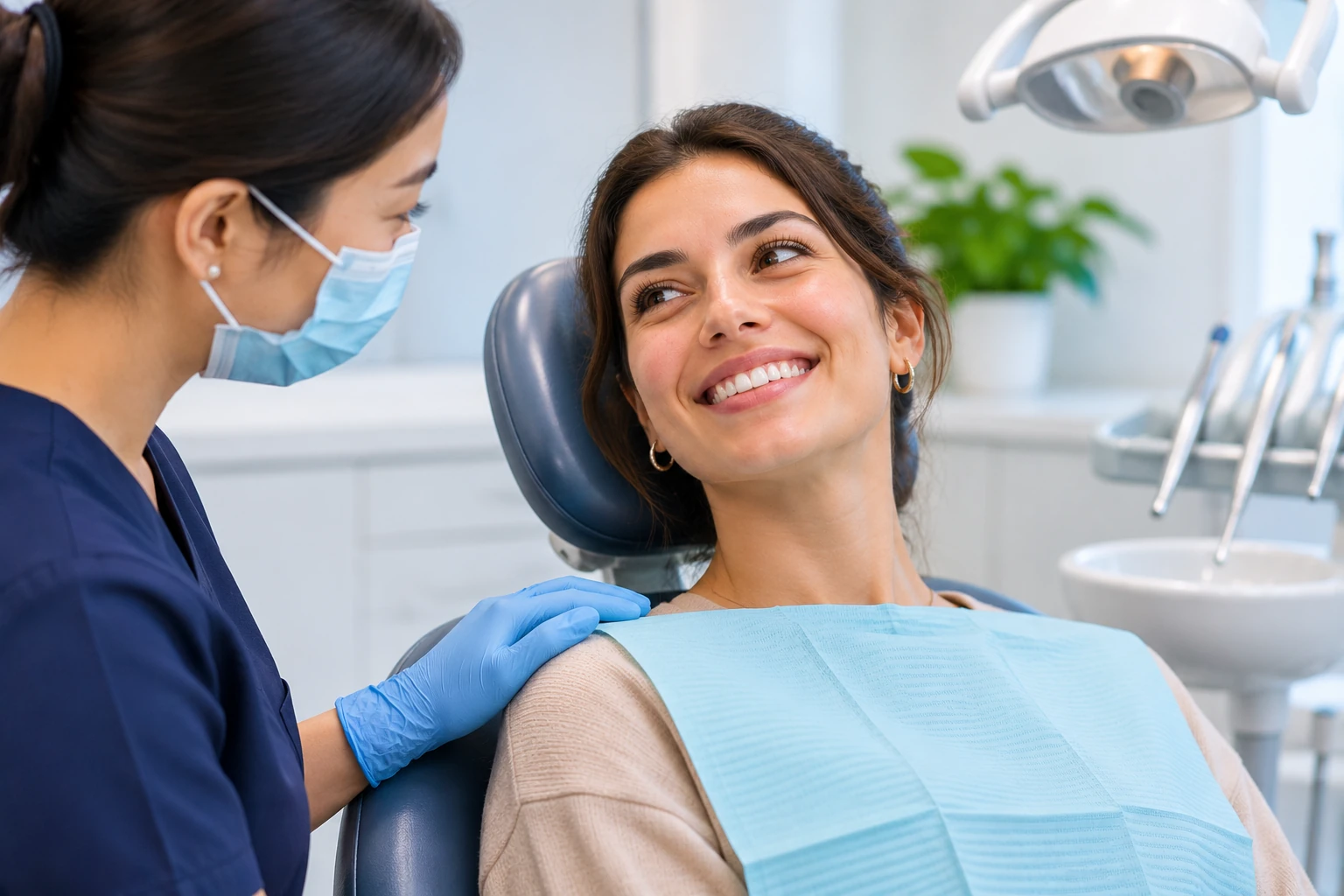
Most patients find the process comfortable. You may feel some vibration during scaling and a slight gritty sensation during polishing, but neither should be painful. If you have sensitive teeth or gums, let your dentist or hygienist know beforehand — they can adjust their approach to keep you comfortable throughout.
Airflow cleaning tends to feel even gentler, as the fine powder and water stream do most of the work without direct contact from instruments. Some patients describe it as a light pressure on the teeth.
The whole appointment usually takes between 30 and 45 minutes, depending on the level of build-up.
How Often Should You Have Your Teeth Professionally Cleaned?
For most people, a professional clean every six months is a good routine. If you're particularly prone to staining — perhaps because of high tea or coffee intake, smoking or certain medications — your dentist may suggest more frequent visits, such as every three to four months.
Regular cleanings help prevent stains from becoming deeply ingrained and also support your overall oral health by removing plaque and tartar before they can cause gum disease or decay.
What Can You Do to Prevent Stains Between Visits?
Good oral hygiene is the foundation. Brushing twice a day with a fluoride toothpaste, using interdental brushes or floss daily and rinsing with water after consuming staining food or drink can all help. Using a straw for cold drinks like iced coffee can also reduce contact with your teeth.
Whitening toothpastes can help maintain results between professional cleans, though they won't remove heavy staining on their own. Avoiding or reducing tobacco use makes a significant difference too, as smoking is one of the most common causes of persistent staining.
When Is Teeth Whitening a Better Option Than Stain Removal?
If your teeth have been professionally cleaned and you're still not happy with their colour, whitening may be worth considering. This is especially true if your natural tooth shade is darker than you'd like, or if you have intrinsic stains that surface cleaning can't address.
Your dentist can help you decide whether whitening is appropriate based on the condition of your teeth, any existing restorations and your expectations. It's worth noting that whitening works on natural tooth enamel but won't change the colour of crowns, veneers or fillings, so these may need to be replaced to match your new shade.
Book Stain Removal Services in Swanland With Willerby Dental Care
If your smile has lost some of its brightness, a professional clean can make a noticeable difference. At Willerby Dental Care, we offer stain removal services in Swanland in a relaxed, friendly environment with experienced dental professionals who take the time to explain every step.
To arrange a stain removal appointment, call us on 01482 655936 or use the online booking form on our website. We welcome patients from Swanland, Willerby, Anlaby, Kirkella, Hessle and the surrounding areas of East Yorkshire.
FAQs About Stain Removal Services in Swanland

Prefer a virtual consultation?
Stay updated with dental
wellness tips